
Finished product
Dimensions, density, strength, application and local requirements.
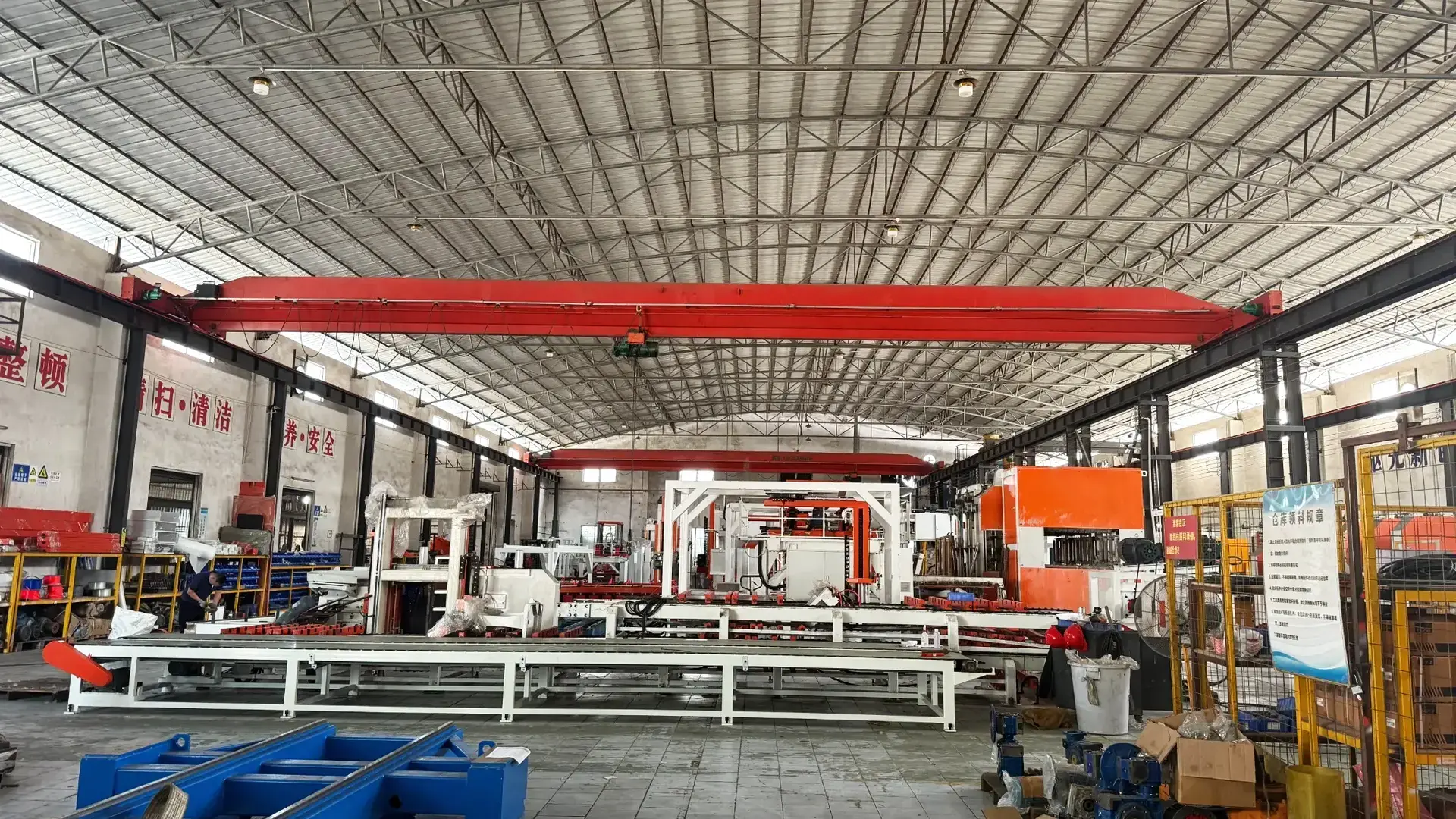
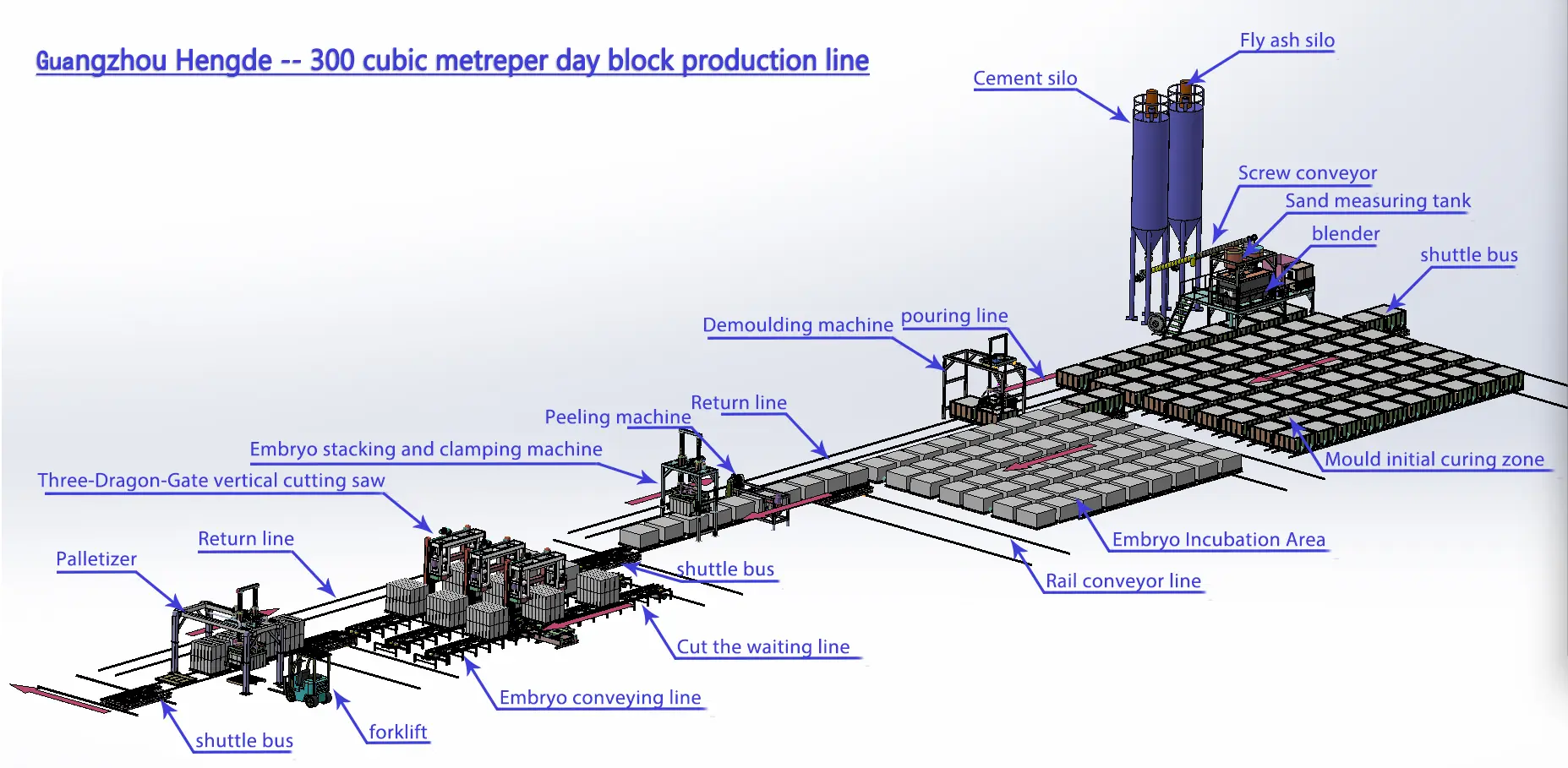
Do not begin with the price of one machine. A practical CLC factory starts with the target block, local raw materials, capacity, mould and curing route, cutting requirement, factory conditions and delivery scope.
Dimensions, density, strength, application and local requirements.
Type, moisture, particle size, chemistry, supply stability and trial requirements.
Orders, shifts, mould cycle, curing, cutting and handling must all support the target.
Workshop, storage, utilities, logistics, maintenance space and expansion.
Billet condition, finished dimensions, transfer and line rhythm — not only saw speed.
Metering, controls, mould movement, cutting, handling and required operators.
Drawings, manufacturing, acceptance, shipment, installation, training and support.
Request the confirmed equipment list, process flow, layout, power assumptions, product conditions, acceptance method and real case stage. Avoid comparing incomplete quotations by headline capacity alone.
A short factory brief covering country, product dimensions, raw materials, planned output, land or workshop, voltage and expected start time.
No. The full line rhythm includes moulding, curing, demoulding, cutting, transfer, handling and working shifts.
Billet condition, cutting accuracy, kerf, transfer and handling affect product yield, factory rhythm and later expansion.
Engineering can only configure a practical line when the real production conditions are visible.