

Installation Support
Prepare the factory and position the delivered equipment in the required production sequence.
- Factory layout review
- Foundation and site-readiness review
- Equipment positioning
- Installation guidance
HENGDE supports customers from site preparation and installation through commissioning, operator training, spare parts and later production-line upgrades.
Prepare the factory and position the delivered equipment in the required production sequence.
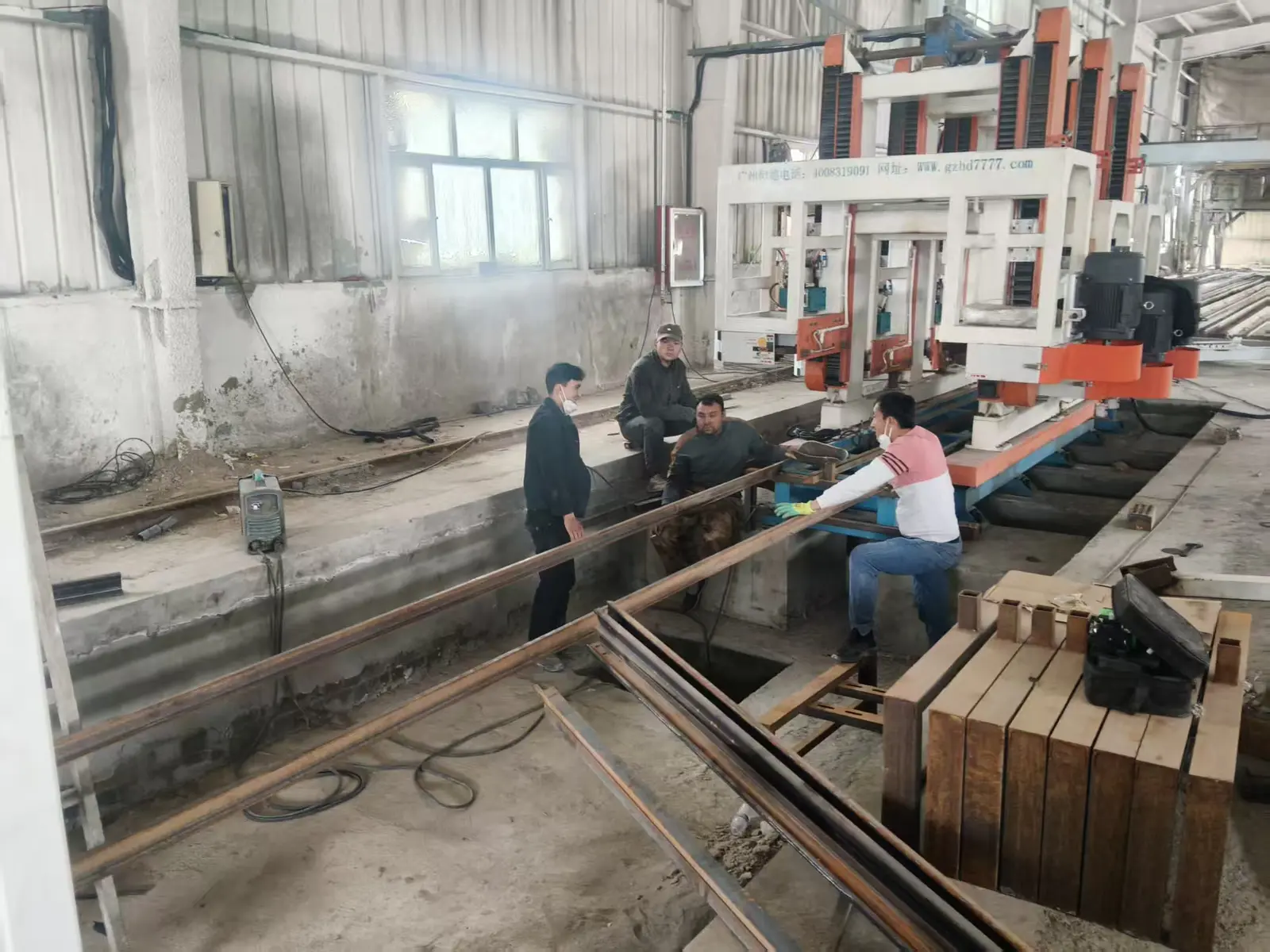 SITE COMMISSIONING
 Check the connected equipment and move from individual-machine operation into trial production.

Help the customer team understand the delivered equipment and daily production sequence.
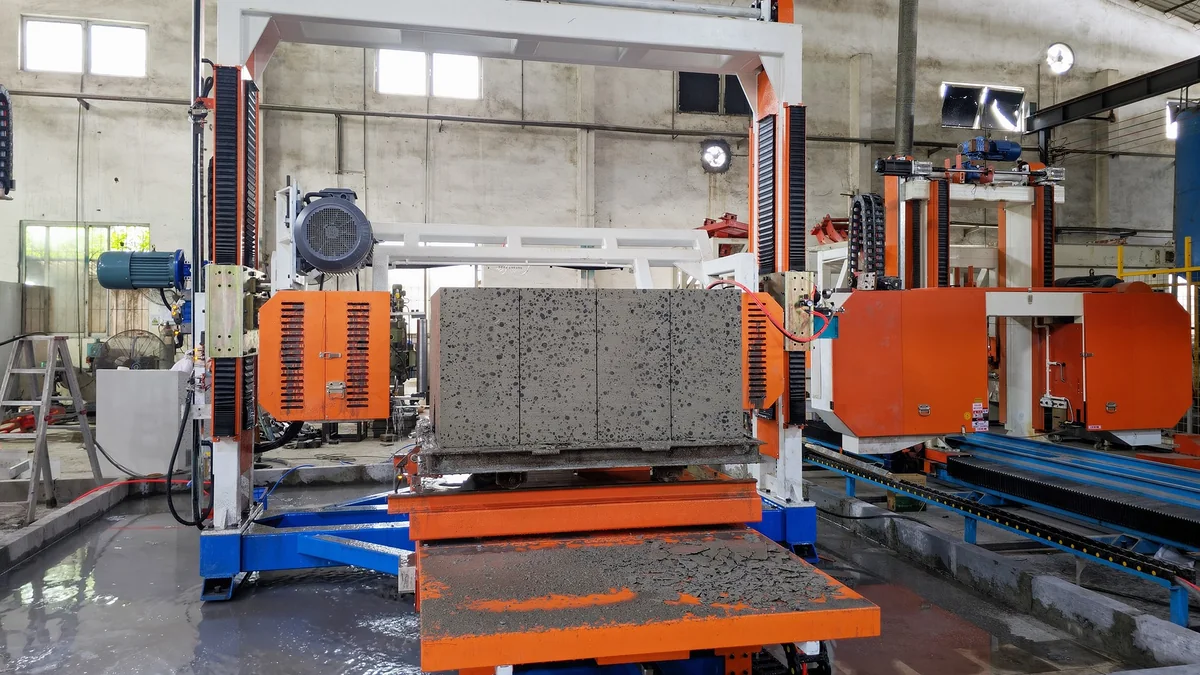 MATERIAL & PROCESS
 Review local inputs and production conditions when the process needs adjustment.
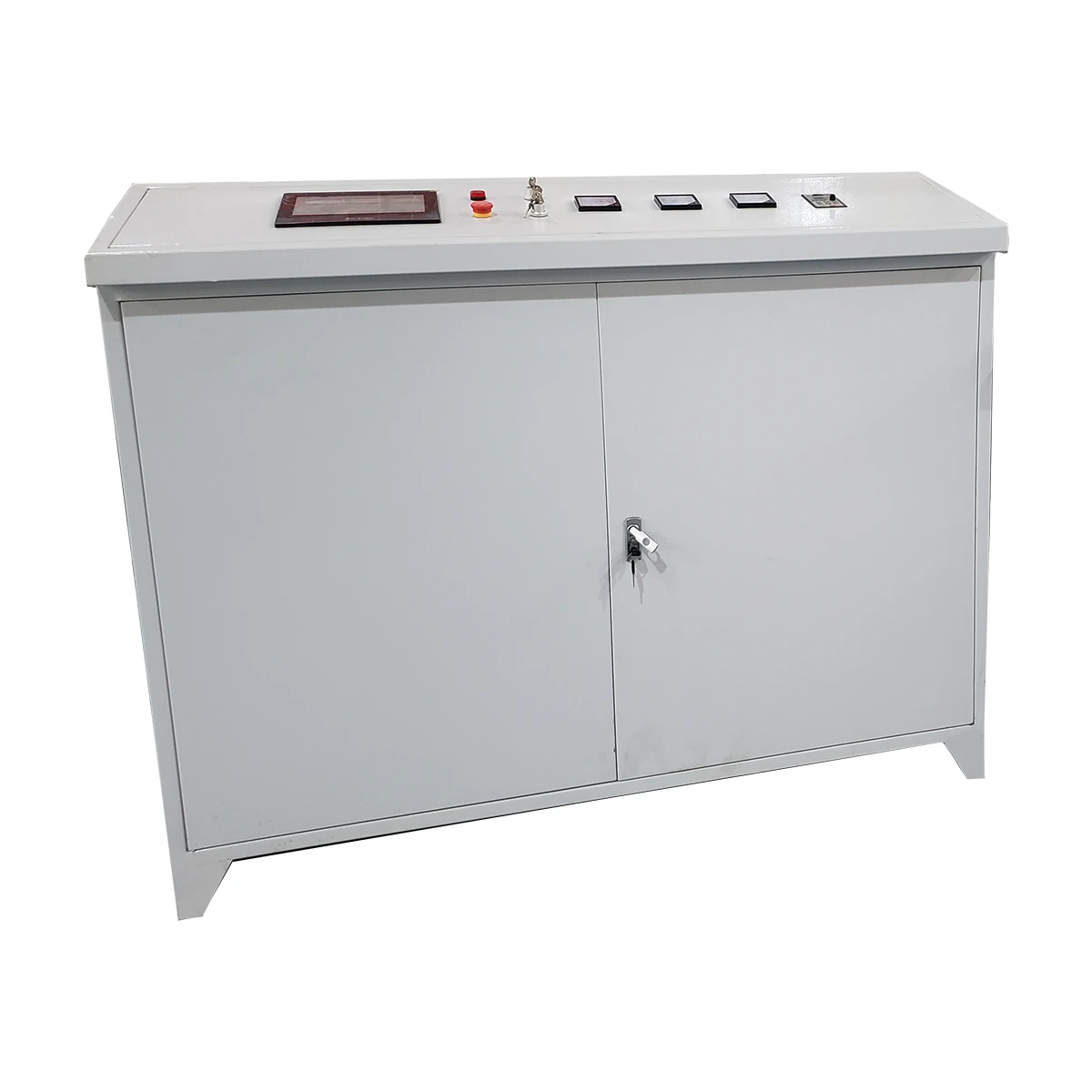 SPARE PARTS SUPPORT
 Identify the delivered equipment and component before confirming the applicable replacement part.
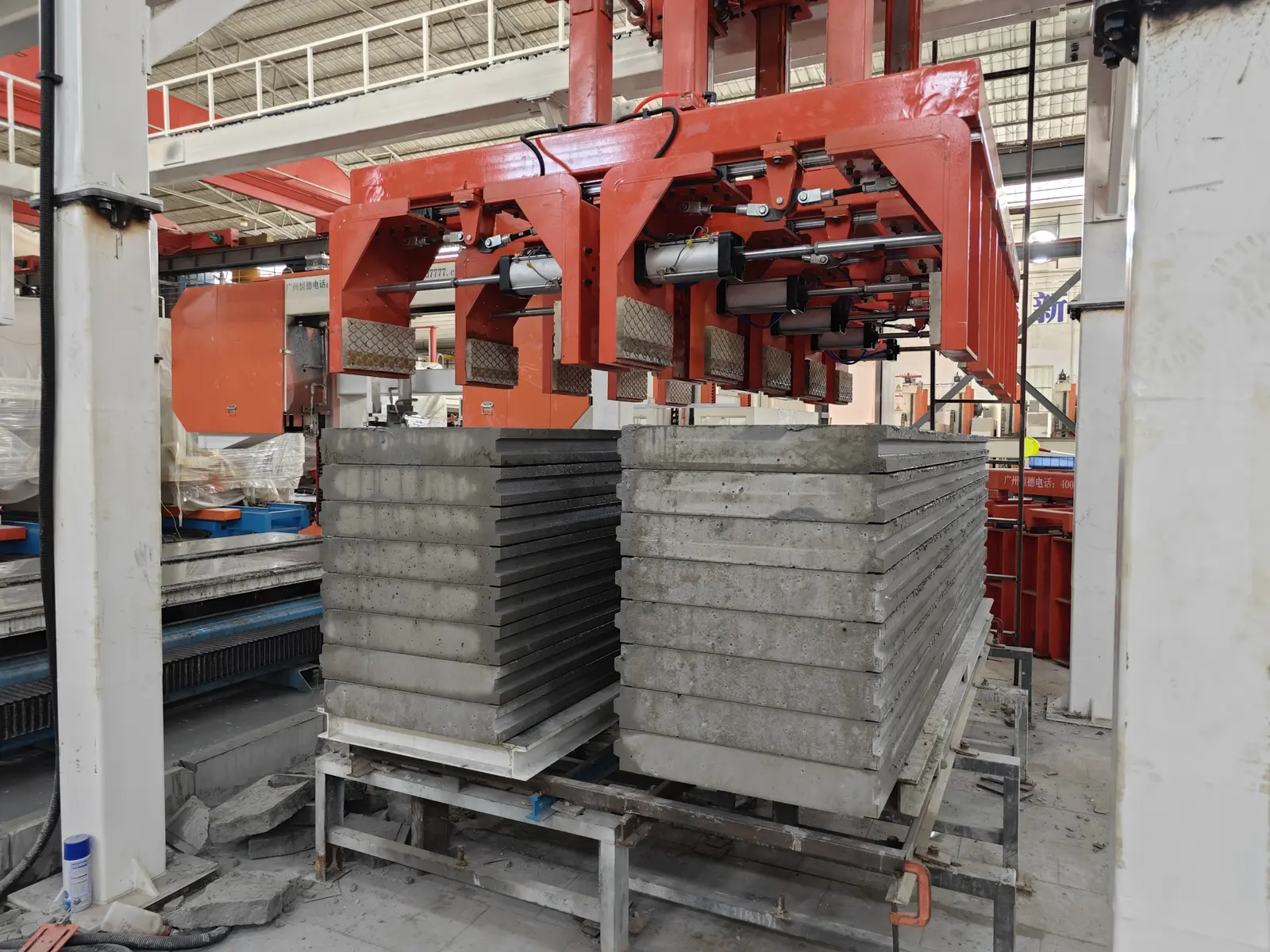 REMOTE TECHNICAL SUPPORT
 Use operating information, photos and video to review equipment questions with the HENGDE service team.
 LINE UPGRADE
 Review the existing factory and bottleneck before changing capacity, cutting, automation or equipment.
Customer-site footage covering control review, operating sequence and safe equipment use.
Watch on YouTubeSend the equipment name, model, issue description, photos or operating video so the support request can be reviewed.