
LIGHTWEIGHT WALL PANELS

Lightweight Wall Panel Applications & Production Requirements

Plan the wall-panel product, raw materials, production process, reinforcement, edge profile and installation requirements before final equipment configuration.

Independent engineeringEquipment manufacturingProject delivery
Lightweight Wall PanelsProduct route
Test firstRaw-material rule
Project-specificFinal specification
01
WALL PANEL APPLICATIONS

From finished panel requirements to production and installation

Use the finished product, cutting method and handling requirements to define the wall-panel equipment configuration.

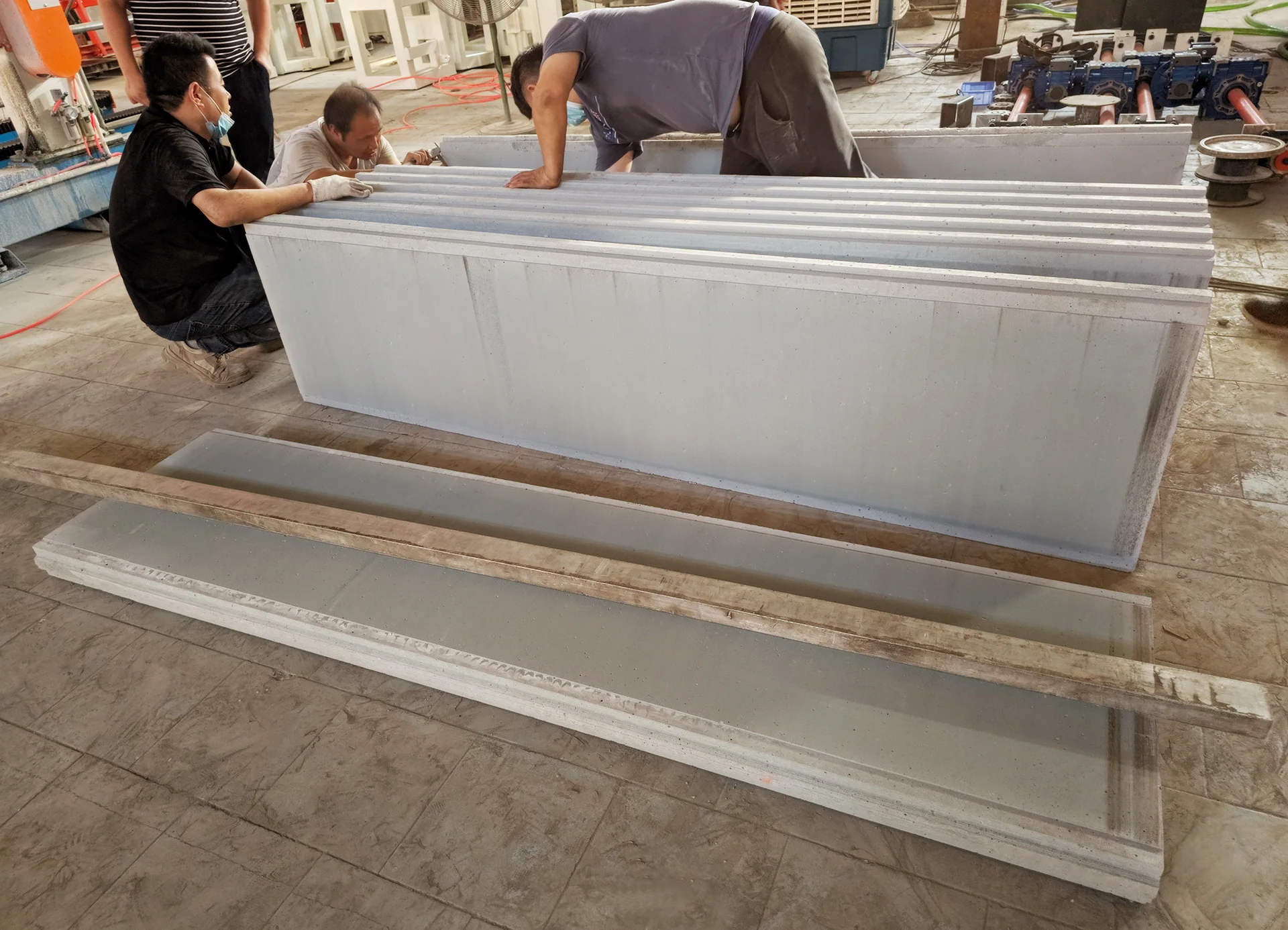
Finished HENGDE lightweight wall panels arranged for factory inspection FINISHED WALL PANELS
01

Finished Wall Panel Products

Confirm panel thickness, length, edge profile, surface finish and reinforcement before mould and cutting design.
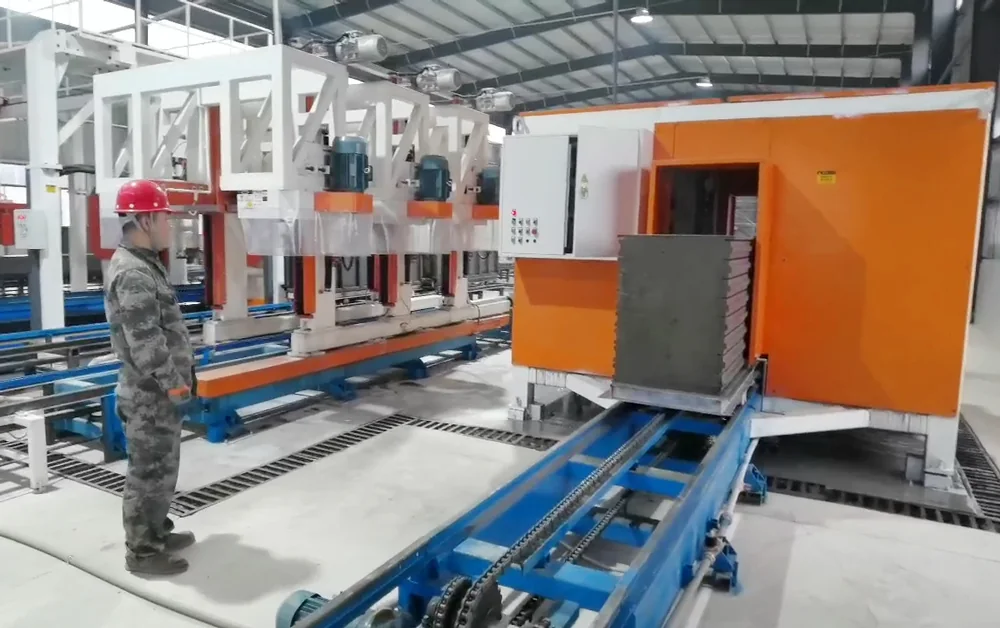
HENGDE lightweight wall material cutting equipment operating at the Xianning project PRODUCTION & CUTTING
02

Wall Panel Production & Cutting

Match mixing, moulding, curing and cutting equipment to the confirmed panel product and production rhythm.
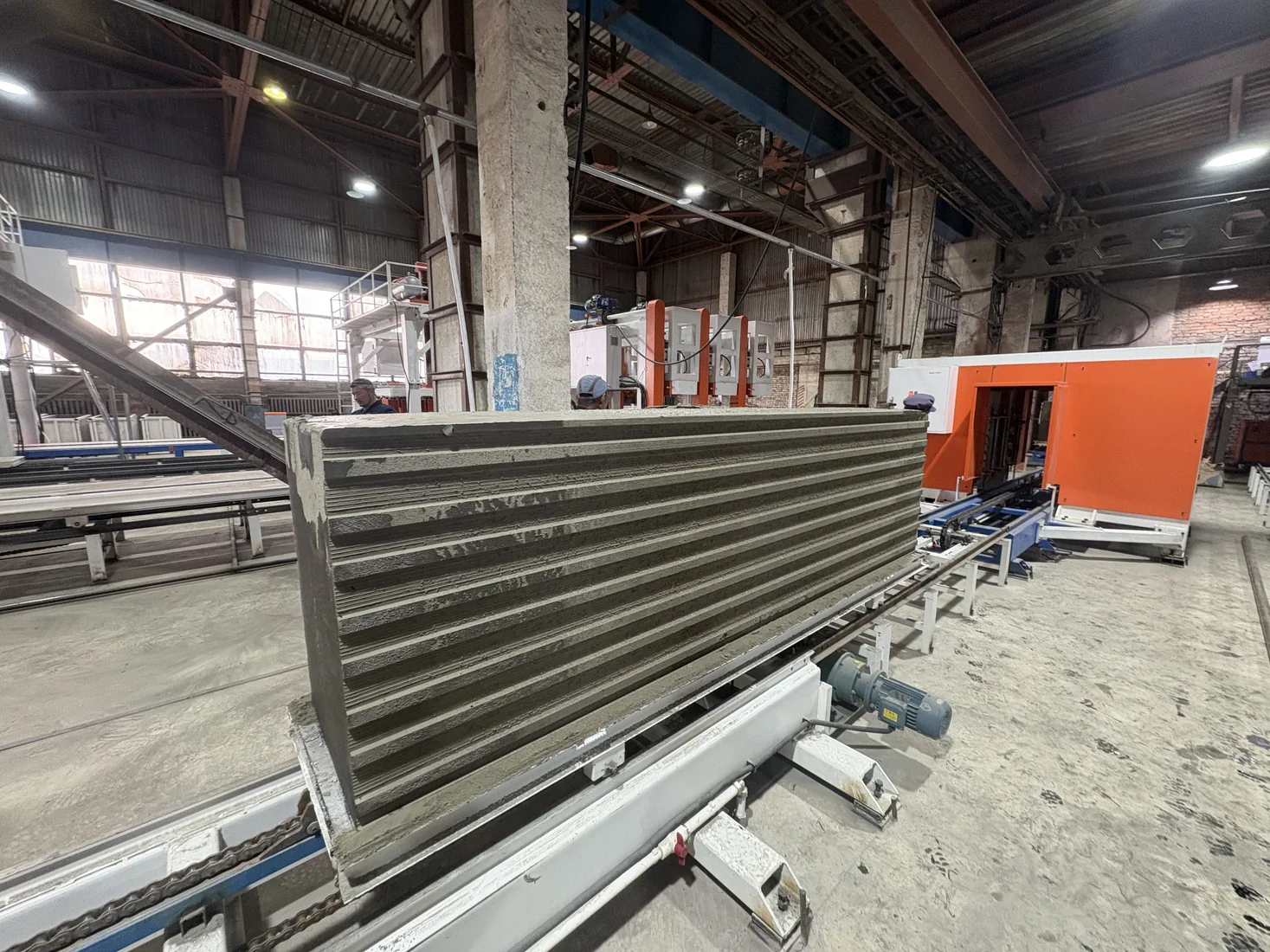
HENGDE wall panel grooving equipment at the Mongolia customer project HANDLING & SLOTTING
03

Handling, Slotting & Installation

Plan safe transfer, edge processing, clamping and site installation around the finished panel dimensions.

02
COMPATIBLE PRODUCTS

Product types kept inside this family

01

Lightweight Wall Panels

Compatible products can share core equipment while using product-specific process modules.

  • Lightweight Wall Panels
  • Foam Concrete Wall Panels
  • EPS Composite Wall Panels
  • Ceramsite Wall Panels
  • Self-Insulating / Composite Wall Panels
  • Special Wall Panel Products
02

Process route is selected separately

Physical foaming, chemical aeration, EPS and ceramsite processing are selected according to the product and tested raw materials.

03
PRODUCT BASIS

Define the use, specification and required performance first

01

Use scenarios

Confirm where and how the product will be used.

  • Internal partitions in residential and commercial buildings
  • Prefabricated wall systems with defined joint and fixing details
  • External or higher-performance uses only where the tested wall assembly permits them
02

Product specifications

Fix the geometry and tolerance basis before machine selection.

  • Panel length, width and thickness: project-specific
  • Solid, hollow or composite section: confirm before mould and cutting design
  • Edge profile and reinforcement: confirm from the installation system
03

Performance requirements

Published performance claims require applicable product test results and standards.

  • Handling strength must suit demoulding, lifting and site installation
  • Fire, acoustic and thermal values require tested assemblies
  • Surface tolerance and edge accuracy affect installation productivity
04
MATERIAL & PROCESS

Select the route only after the input materials are reviewed

01

Available raw materials

Representative inputs must be identified and tested.

  • Cementitious binder and tested fine mineral input
  • Physical foam or lightweight aggregate according to the approved product
  • Reinforcement and inserts according to product design
02

Applicable processes

The formulation and product determine the usable route.

  • Batching and physical foaming
  • Mould filling, curing and controlled demoulding
  • Cutting, slotting, reinforcement handling and finished-panel transfer
DISCUSS YOUR PROJECT

Planning a Lightweight Wall Panel Project?

Tell us your product type, project country, raw materials and target output.

Discuss Your Wall Panel Project
RAW MATERIAL ENGINEERING

Test local materials before final line configuration

HENGDE can evaluate locally available raw materials before finalizing the process and equipment configuration.

Start with representative samples

Review locally available materials against the target product before production equipment is selected.

Recycled or variable inputs require source-specific testing and trial production.

Adjust the process after testing

Test results guide material ratios, dosing, mixing, forming, curing and finishing requirements.

Final formulation and equipment follow the actual materials and required product.

WhatsAppDiscuss this page