Foam Concrete Block Machine for Ghana: Plan Power, Materials and Qualified Output
A buyer searching for a foam concrete block machine in Ghana should begin with the conditions that will govern the whole factory. The equipment must work with the actual electrical supply, local materials, mould cycle, cutting stage, handling plan and finished-product requirements. A machine name or nominal mixer output cannot establish the qualified daily output of a complete line.
Define qualified output before nominal capacity
Write down the intended product sizes, expected daily dispatch and the quality requirements that a saleable block must meet. Then map batching, mixing, foaming, pouring, curing before cutting, demoulding, cutting, transfer and stacking. The slowest effective stage sets the production rhythm.
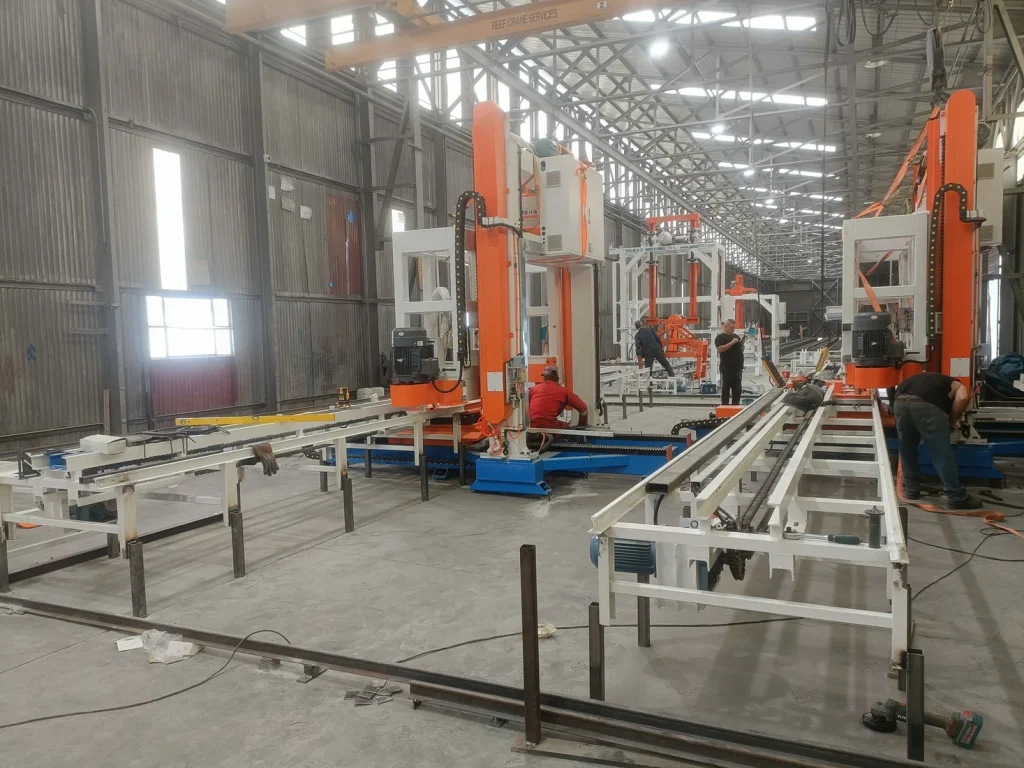
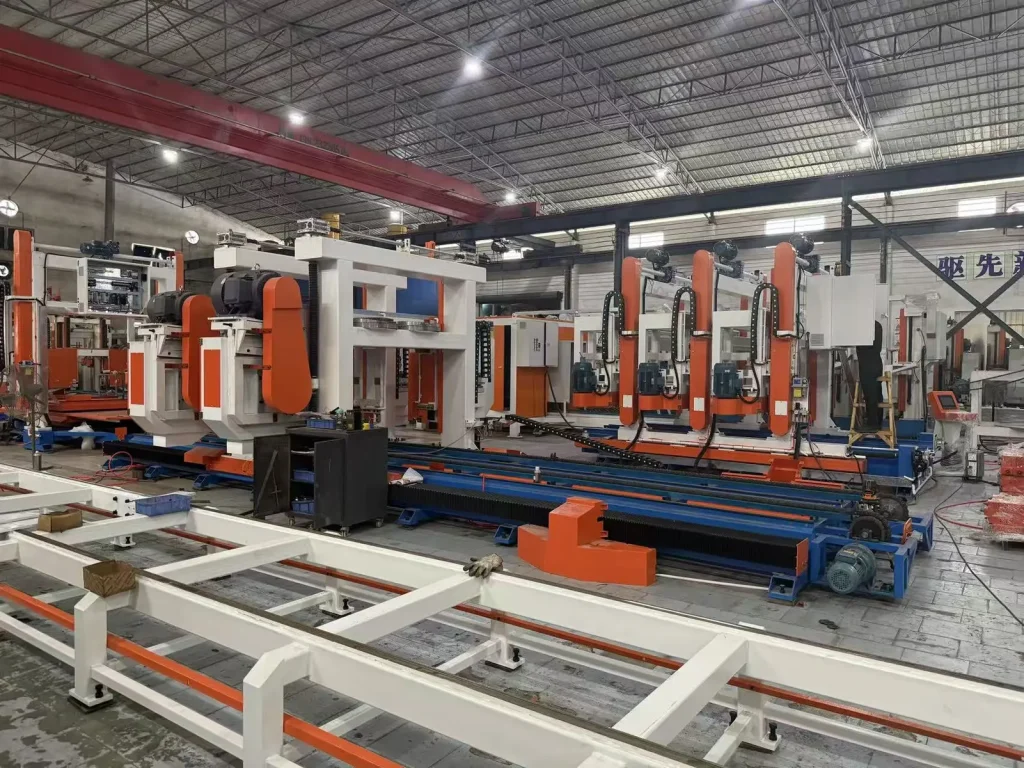
For a larger configuration, review the 200 m³/day lightweight block line as a design basis rather than an unconditional production promise. Actual qualified output depends on mould turnover, curing and cutting conditions, handling, rejects, maintenance and site operations.
Prepare a real electrical and utility data sheet
Do not ask the equipment supplier to assume the site power conditions from the country name. The factory team should confirm the supply voltage and frequency, transformer capacity, available starting current, earthing arrangement, cable distance, voltage-stability history and backup-power strategy with the local utility and electrical engineer.
List the motors and controls that may start together. Identify equipment that needs a controlled stop or safe restart after a supply interruption. PLC logic, protection, cable sizing and any power-conditioning measures should be reviewed against the actual site information before the electrical design is released.
Test local materials before fixing the machine scope
Foamed-concrete blocks can be affected by the grading and cleanliness of sand, the behaviour of powders, cementitious materials, water quality and any proposed local by-product. Samples should represent the intended production supply, not a hand-selected laboratory batch.
Record mixing behaviour, foam compatibility, stability in the mould, a suitable cutting window and the hardened properties required for the product. If a material source changes, repeat the relevant trials. The results can change storage, feeding, metering and mixing requirements.
Check the full production flow
- Material preparation: receiving, storage and any required screening or controlled feeding.
- Metering and mixing: repeatable dosing and a sequence suited to the confirmed formulation.
- Physical foaming: foam production and distribution matched to the mix and process.
- Mould turnover: enough mould availability for pouring, curing, demoulding and return.
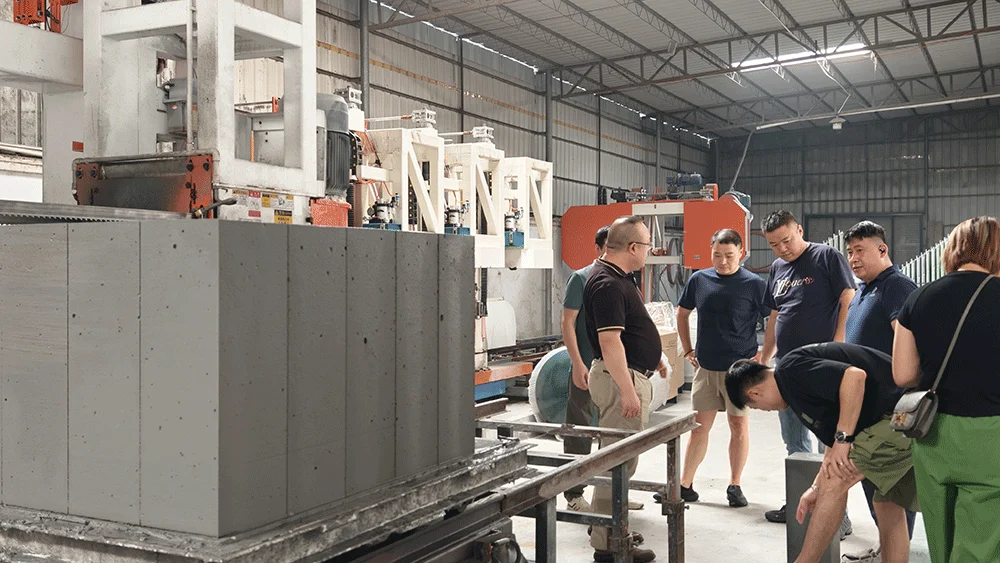
- Cutting: loading, cutting, unloading and cleaning considered as one cycle.
- Handling: safe transfer, stacking, storage and dispatch without creating a new bottleneck.
HENGDE’s capacity and factory layout planning service uses the site plan and process inputs to position these stages and their buffer space.
Separate investment registration from product conformity
Ghana’s investment and product-conformity routes are separate questions. GIPC publishes guidance for foreign investment and company registration. The Ghana Standards Authority explains product certification as an assessment against specified requirements or standards.
Equipment purchase does not by itself register the investment or certify the finished block. The project owner should confirm the current legal, environmental, utility, testing and product requirements with GIPC, GSA and qualified Ghanaian advisers before freezing the project scope.
Use Ghana project evidence without overclaiming
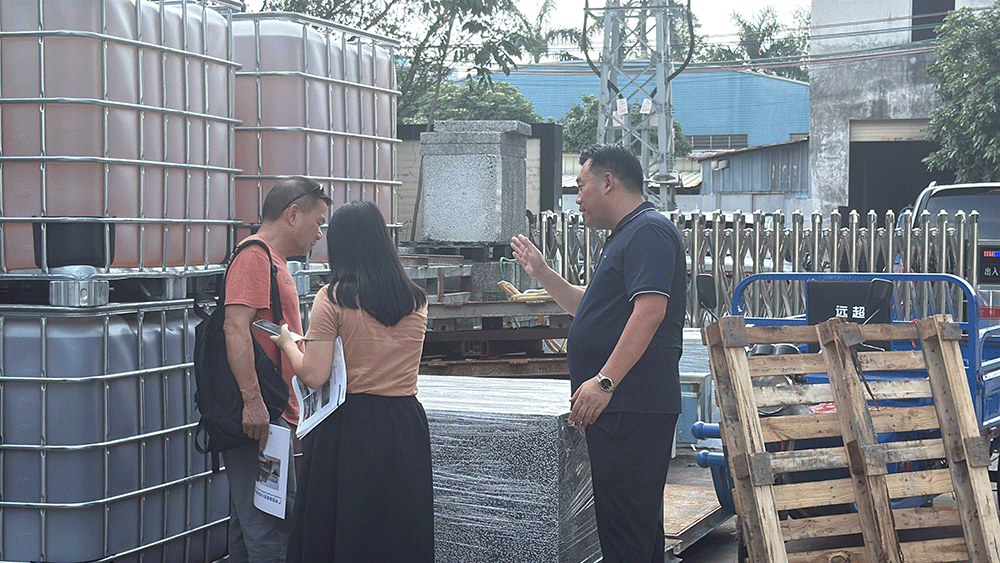
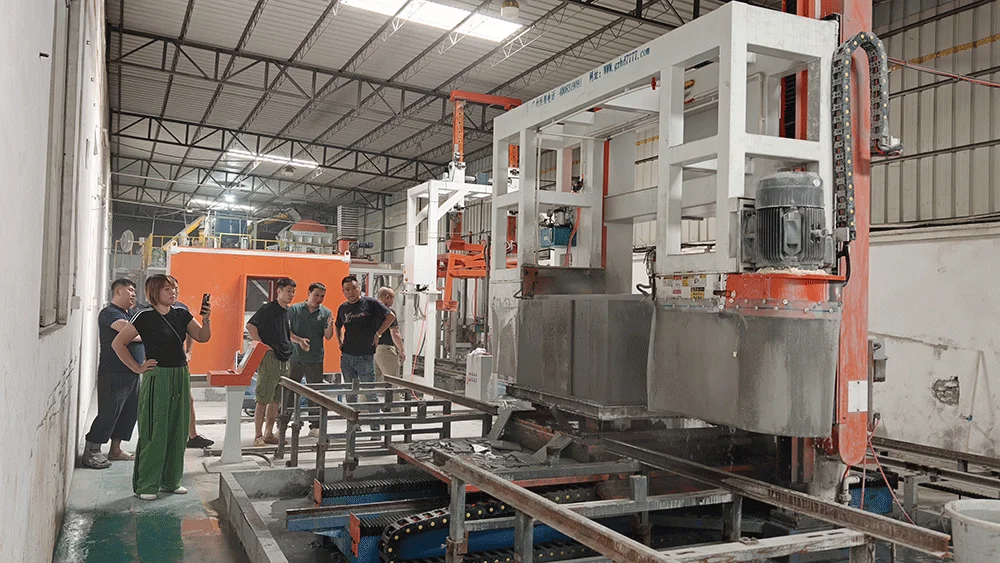
The Ghana customer equipment review records a real customer inspecting HENGDE cutting equipment and discussing a larger lightweight-block line. The images used on this guide come from that documented review. They show the equipment and finished cutting result that were actually examined; they do not prove that every Ghana project needs the same configuration or will achieve the same output.
Information HENGDE needs for a Ghana proposal
- Project location, factory drawing and access conditions.
- Target block application, dimensions and qualified daily output.
- Representative material samples and available test information.
- Verified electrical and water-supply information.
- Planned shifts, staffing, mould cycle and storage arrangement.
- Required automation and any existing equipment to be retained.
Frequently asked questions
Can a foam generator determine the output of the whole plant?
No. Qualified output is set by the connected process, including mixing, mould availability, curing, cutting, handling and operating conditions.
Can HENGDE confirm Ghanaian product certification?
HENGDE can provide equipment and engineering information. The project owner must confirm applicable standards, testing and certification with GSA and qualified local advisers.
Should the electrical cabinet be specified before the site power is checked?
No. The actual supply, transformer, protection, cable distances and operating plan should be provided before the final electrical configuration is released.
Official planning references
- Ghana Investment Promotion Centre — doing business and investment registration guidance
- Ghana Standards Authority — product certification overview
Send HENGDE your Ghana project information for a project-specific process, capacity and utility review.
Final capacity, process and equipment configuration require project-specific engineering verification.
REAL HENGDE REFERENCE
Equipment, project or engineering evidence
Discuss your production line project with HENGDE.
Share your product, project location, target output and available materials with the HENGDE team.
Discuss Your Project