CLC Block Machine for Malaysia: What to Check Before Selecting a Production Line
Searching for a CLC block machine in Malaysia can make the buying decision look simpler than it is. A working factory is not defined by one mixer, foam generator or cutting machine. The product specification, local material supply, mould cycle, cutting condition, handling route, utilities and approval path have to work as one system. The practical first step is therefore to define the block you plan to sell and the factory conditions in which it will be produced.
Start with the intended block, not the equipment list
Confirm the intended application, block dimensions and the performance requirements that must be demonstrated in Malaysia. CLC uses mechanically produced foam combined with a cementitious mix. It should not be confused with chemical-aeration NAAC or conventional autoclaved AAC. The process route determines how materials are metered, how the mix is controlled, when the green body can be demoulded and cut, and which equipment belongs in the complete line.
Use the HENGDE CLC block production line page as the commercial process reference. A country planning guide supports that page; it does not replace its equipment and capacity scope.
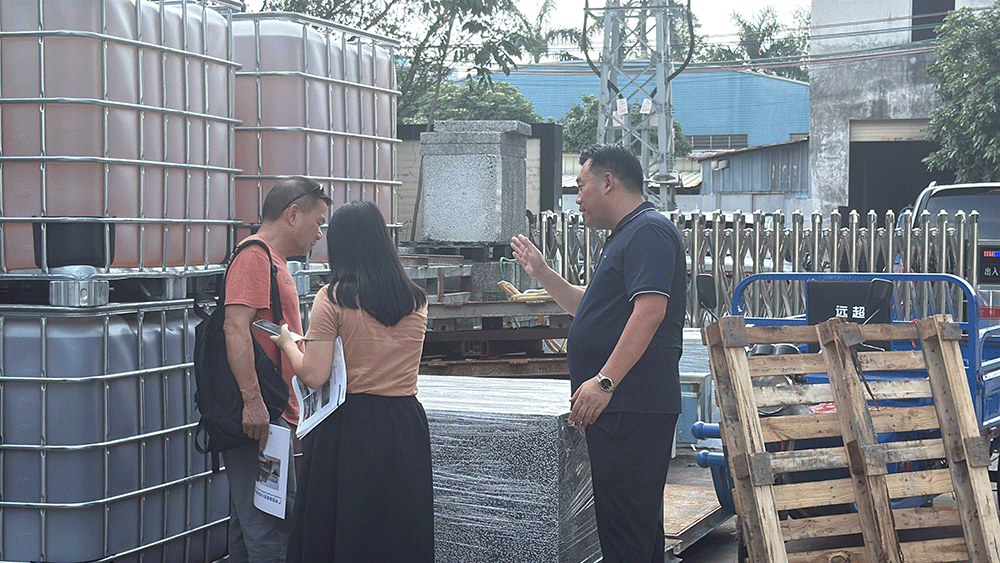
Test the actual Malaysian material supply
Material names are not sufficient for equipment selection. Representative samples should be assessed for the proposed mix and product. Sand grading, fines, powder behaviour, cementitious materials, water and any proposed by-product can change mixing, foaming, mould stability, cutting timing and hardened-product performance.
Do not copy a formula from another factory and assume it will transfer unchanged. Record the source and condition of each sample, run controlled trials, and repeat the assessment if the supply changes. HENGDE’s raw-material assessment service connects those findings to preparation, metering and mixing requirements.
Compare a complete supplier scope
A useful production-line comparison should identify the interfaces between each stage:
- Receiving and storage: where materials arrive, how they are protected and how they reach the metering equipment.
- Metering and mixing: the sequence, dosing control and preparation needed for the selected formulation.
- Physical foaming: the foam-production and mixing arrangement used for the confirmed CLC route.
- Mould circulation: pouring, curing space, demoulding and return of empty moulds.
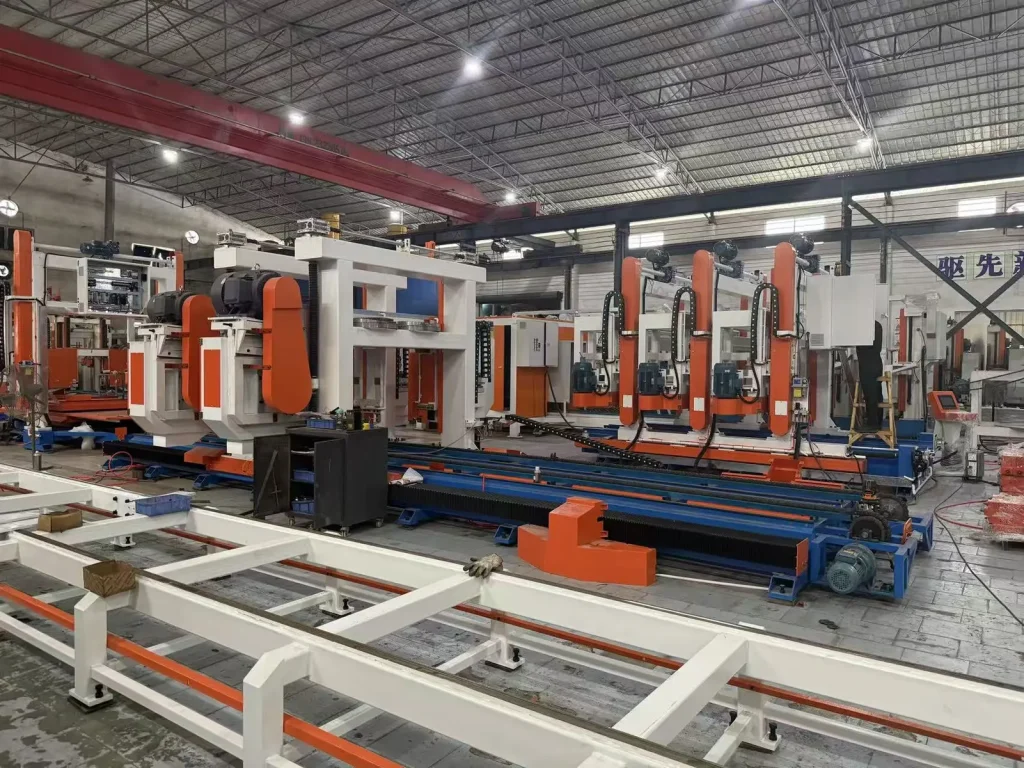
- Cutting and handling: loading, cutting, unloading, stacking and movement to the storage area.
- Controls and service: the PLC scope, local electrical interfaces, installation responsibilities and operator training.
Ask every supplier to separate supplied equipment from customer-prepared buildings, foundations, lifting, utilities and site works. A lower equipment total can conceal a larger local scope.
Confirm the factory and approval path early
Malaysia’s official investment and construction-material portals should be checked before the factory configuration is frozen. MIDA provides the InvestMalaysia application route for manufacturing licences and licence-exemption processes. CIDB publishes construction-material compliance information and the relevant registration or certification routes for regulated products.
The exact requirement depends on the legal entity, manufacturing activity, product and intended market. HENGDE does not determine Malaysian licensing or certify the finished block. The project owner should confirm the applicable requirements with MIDA, CIDB and qualified local advisers, then translate the resulting product and testing obligations into factory quality-control inputs.
Use real project evidence correctly
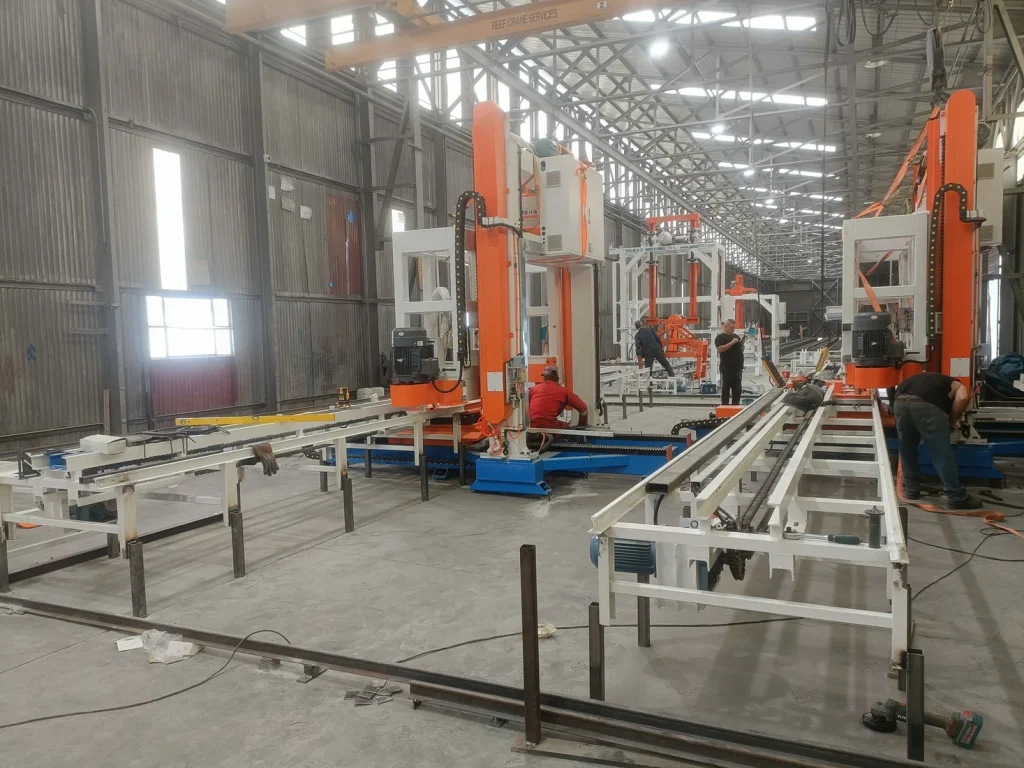
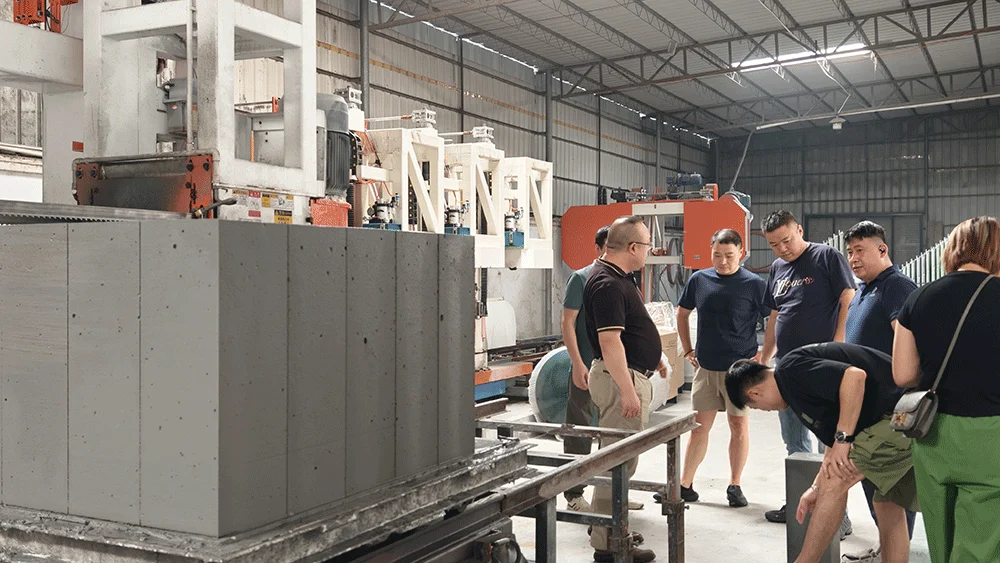
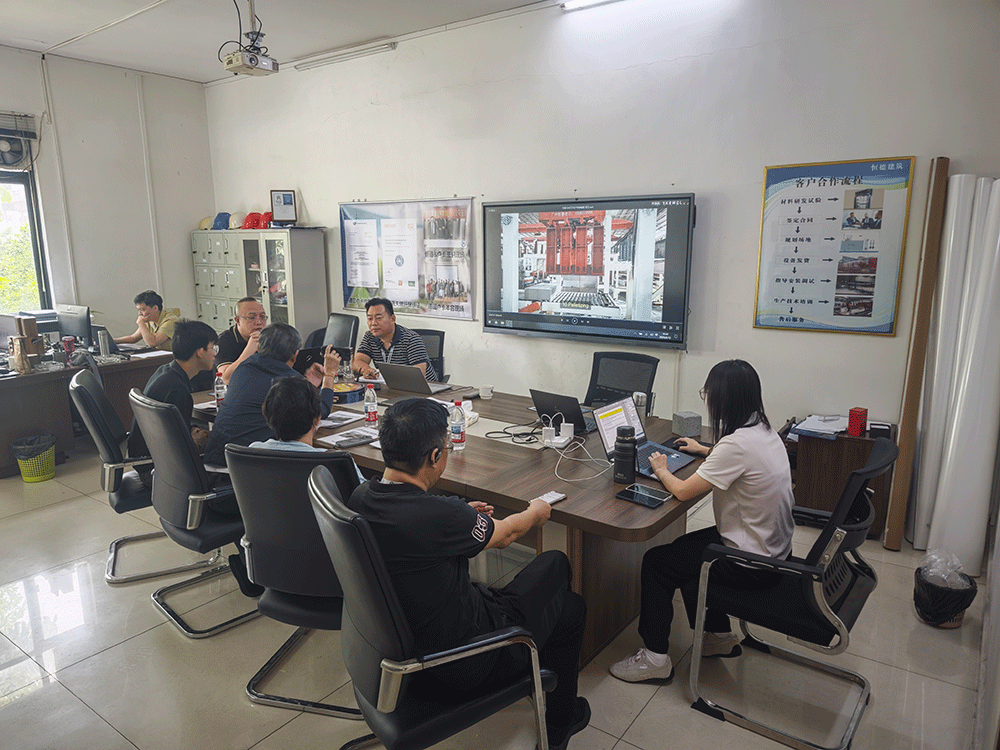
The Malaysia lightweight block line shipment record is evidence of a real HENGDE delivery stage. The HENGDE factory images used on this guide come from a separate, documented Malaysia customer review of lightweight block equipment. Neither record guarantees that another factory needs the same equipment, output or formula. They show the type of production and equipment evidence a buyer should inspect before committing to a project.
Information to prepare before requesting a proposal
- Project location and usable workshop or land dimensions.
- Target block application, dimensions and required test route.
- Representative local material samples and available analyses.
- Target qualified daily output and planned shifts.
- Available electrical supply, water, drainage and material-storage conditions.
- Required automation, staffing plan and customer-prepared site work.
Frequently asked questions
Is a CLC block machine the same as a complete factory?
No. A complete factory also needs material preparation, metering, mould circulation, cutting, handling, controls, utilities and an installation plan.
Can a Malaysian project use the same mix as an overseas reference plant?
Not without testing. Material sources and product requirements differ, so the proposed mix and process must be assessed using representative local inputs.
Does HENGDE provide Malaysian product certification?
No. HENGDE supplies project engineering and production equipment. The project owner must confirm local licensing, product standards, testing and certification with the relevant Malaysian authorities and qualified advisers.
Official planning references
- Malaysian Investment Development Authority — e-Services and manufacturing licence applications
- CIDB Malaysia — construction material compliance information
Send HENGDE your Malaysia project information for a project-specific review of the product route, materials, capacity and factory conditions.
Final capacity, process and equipment configuration require project-specific engineering verification.
REAL HENGDE REFERENCE
Equipment, project or engineering evidence
Discuss your production line project with HENGDE.
Share your product, project location, target output and available materials with the HENGDE team.
Discuss Your Project