
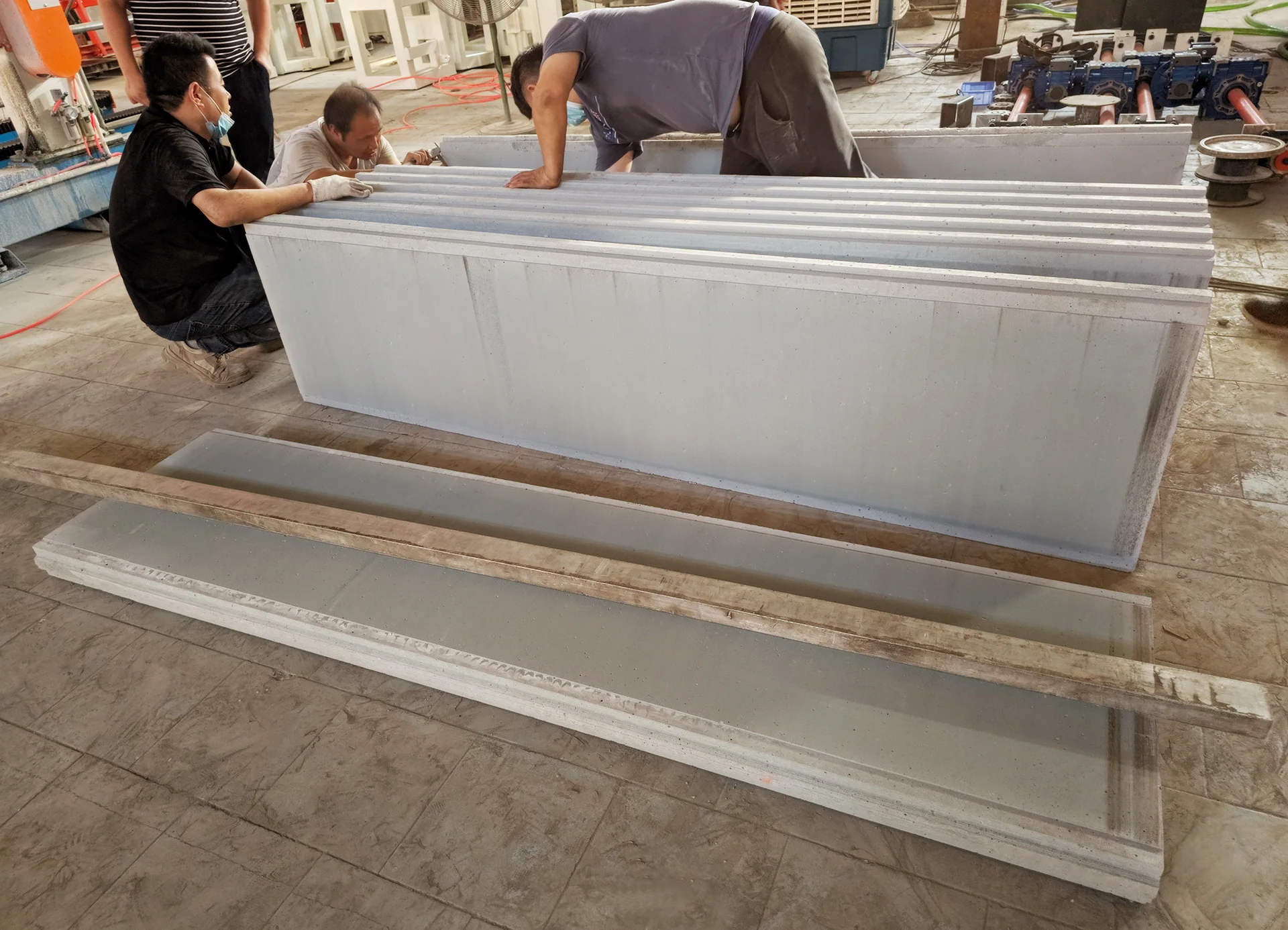
 PRODUCT REQUIREMENTS
 Product & process
Start with the finished block or panel and the available raw materials.
Find practical answers about products, raw materials, factory planning, equipment, installation, training, after-sales support and existing-line upgrades.
 PRODUCT REQUIREMENTS
 Start with the finished block or panel and the available raw materials.
Match the production rhythm, cutting method and automation to the target output.
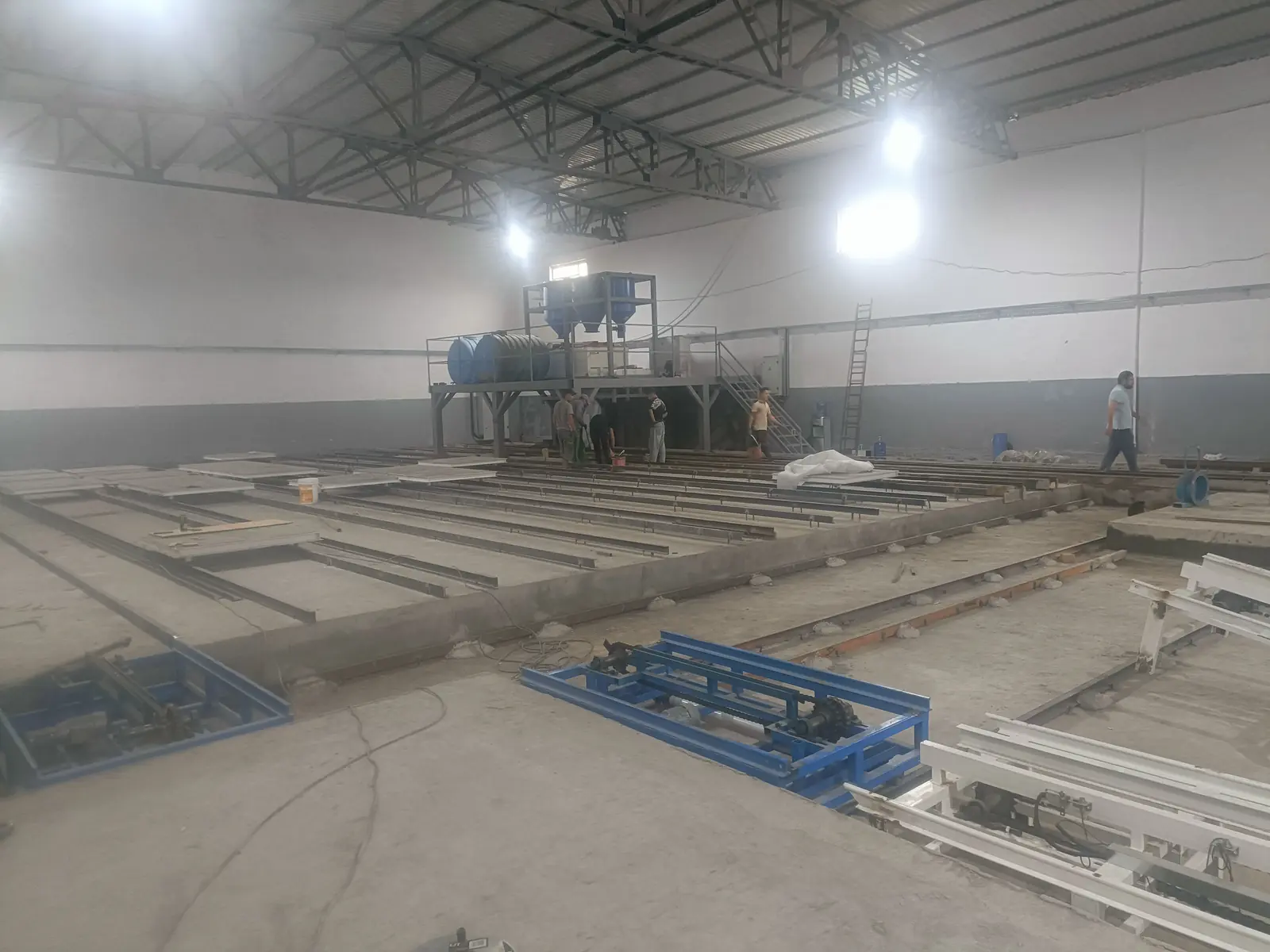 PROJECT DELIVERY
 Prepare the site, installation sequence, commissioning and operator training.
Please provide the project country, target product, planned output, available raw materials, operating hours, factory conditions and preferred automation level. Product drawings or samples are helpful when dimensions or edge profiles are important.
Manufacturing time depends on the final equipment list, customization, electrical scope, drawings, inspection requirements and production schedule. The applicable delivery period is confirmed in the quotation or contract.
Packing, loading, transport scope, destination, documents and the applicable trade terms are confirmed with the quotation or contract. Site access and unloading conditions should be reviewed before dispatch.
HENGDE configures equipment for lightweight blocks and lightweight wall panels. Compatible routes can include CLC, NAAC, foam concrete, EPS self-insulating and ceramsite products after the product requirements and materials are reviewed.
CLC uses prepared physical foam in the mix. NAAC uses a confirmed chemical-aeration route. Raw materials, dosing, mixing sequence and process control are therefore reviewed separately before equipment selection.
It may be possible when the products share compatible preparation, moulding, curing, cutting and handling requirements. Different moulds, recipes or process modules may still be required, so the product range must be confirmed before design.
The usable materials depend on the selected product and process. Send representative information for cement or binder, sand, stone powder, fly ash, tailings, EPS, ceramsite, foaming or aeration inputs and local water so the process can be reviewed.
Yes. Send representative material information and available test results. Sampling or trial requirements depend on the product, material variability and process risk.
Capacity is selected from the required product output, product dimensions and density, shifts, batch time, mould cycle, curing rhythm, cutting capacity and downstream handling. The final basis is confirmed in the project proposal.
Factory space is project-specific. HENGDE reviews the production area, curing area, raw-material storage, finished-product storage, internal roads, utilities and future expansion before preparing the layout.
Labour depends on capacity, automation, shifts, material handling, curing, packing and local operating practice. The recommended staffing basis is confirmed with the selected equipment configuration.
Yes, after the current product, materials, equipment, controls, layout, operating video and bottleneck are reviewed. Upgrade scope can include cutting, handling, controls, capacity expansion or equipment replacement.
The suitable system depends on billet size, product dimensions, tolerance, surface requirements and production rhythm. HENGDE can configure horizontal cutting, vertical cutting, gantry cutting, slotting and connected handling where the product requires them.
Installation guidance and site support can be included according to the agreed project scope. Site readiness, foundations, utilities, local labour and lifting conditions are confirmed before installation starts.
Operator training can cover equipment operation, process sequence, routine checks, maintenance, quality control and safety procedures according to the delivered scope.
Spare parts are identified from the equipment, model and component information for the delivered line. The applicable parts list, price, shipping method and lead time are confirmed for each request.
Tell us your product, country and planned output.
HENGDE can evaluate locally available raw materials before finalizing the process and equipment configuration.
Review locally available materials against the target product before production equipment is selected.
Recycled or variable inputs require source-specific testing and trial production.
Test results guide material ratios, dosing, mixing, forming, curing and finishing requirements.
Final formulation and equipment follow the actual materials and required product.