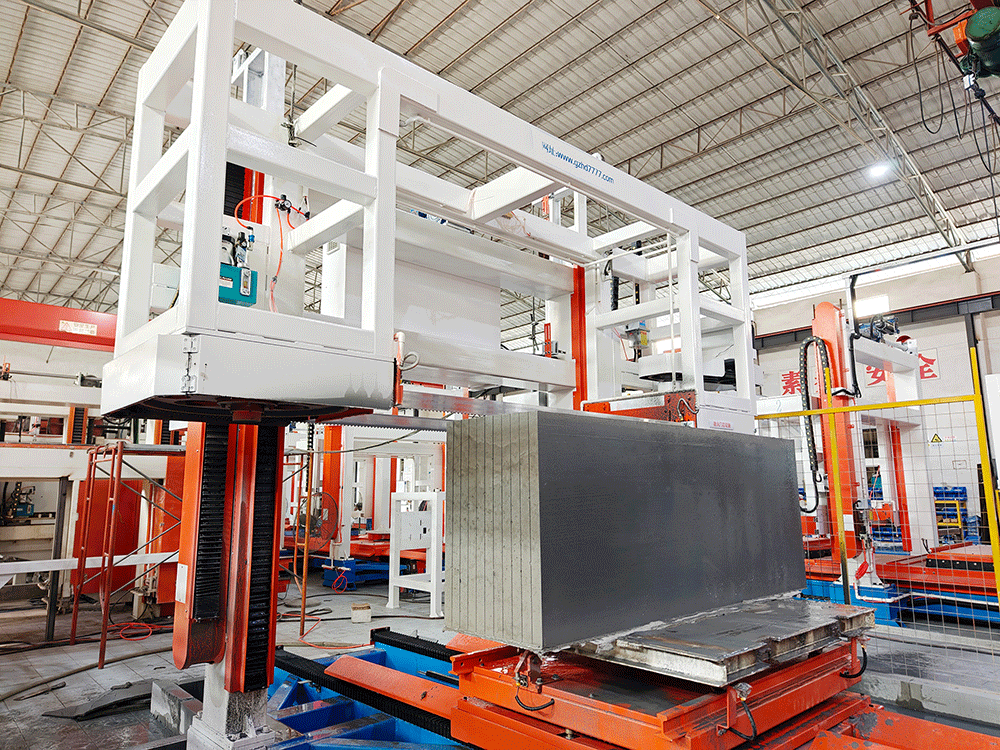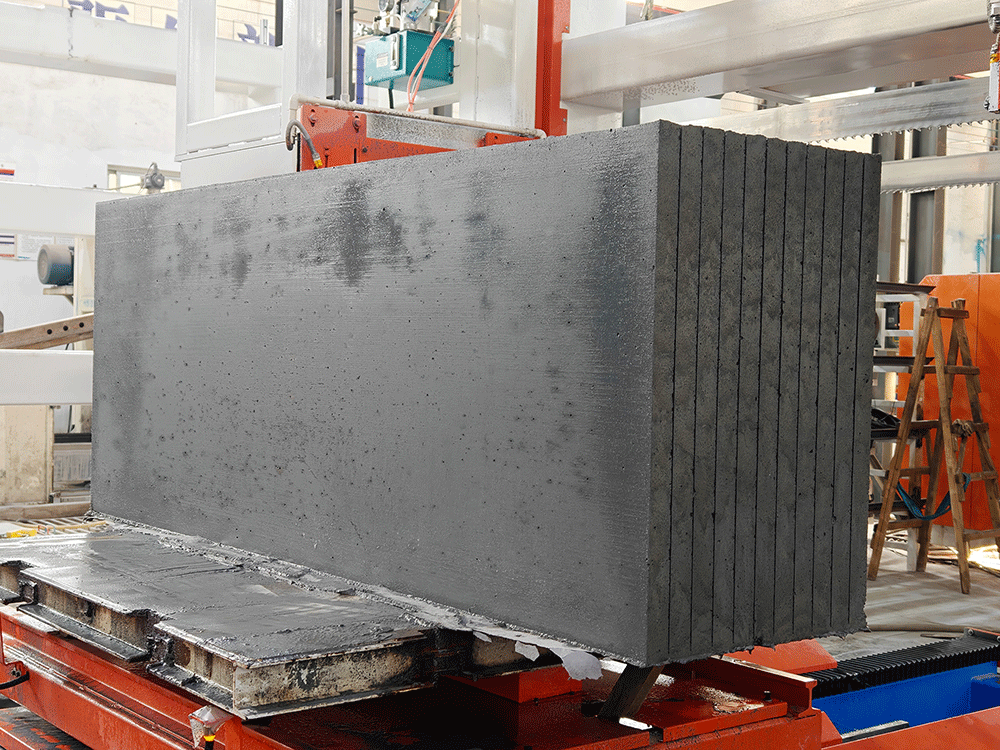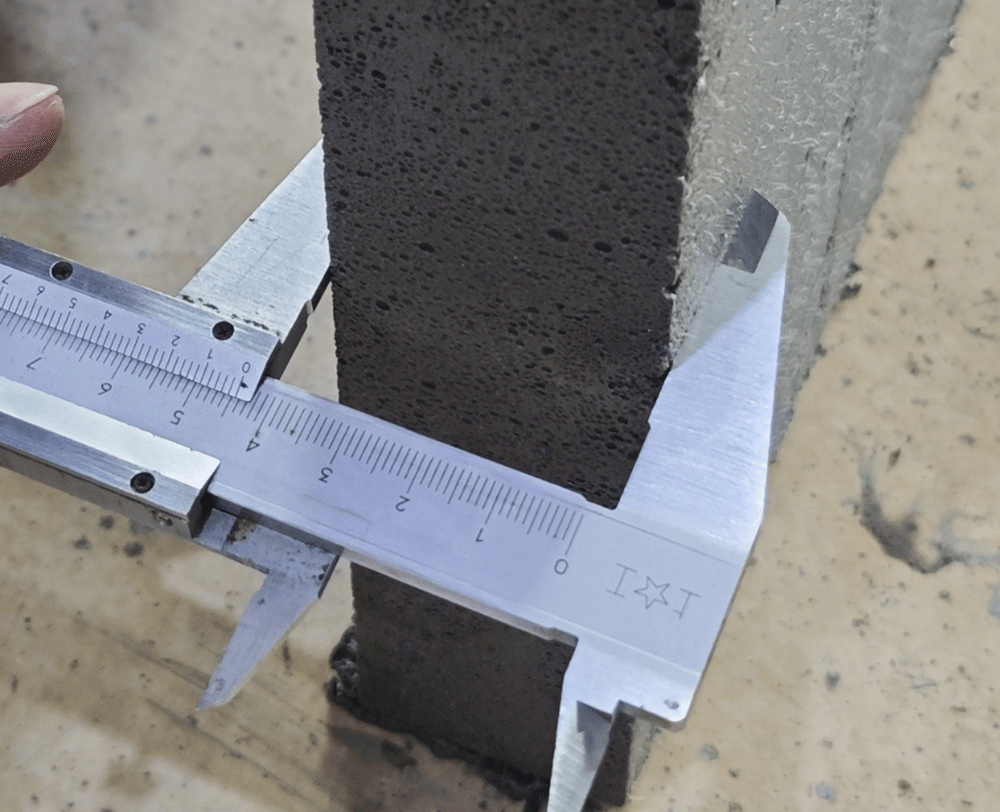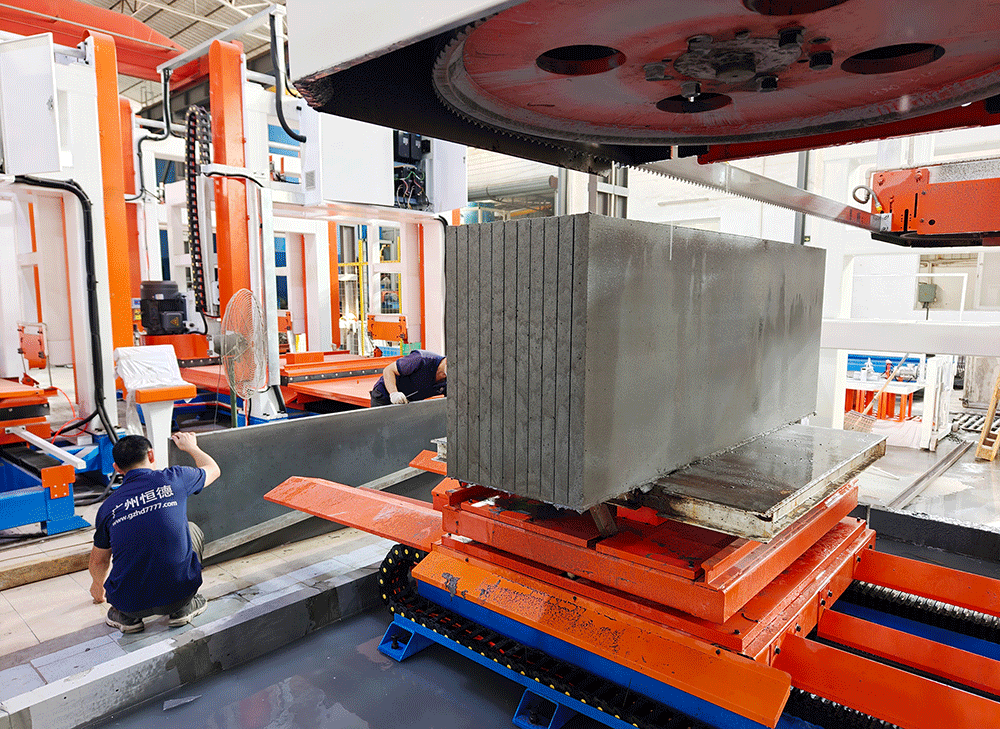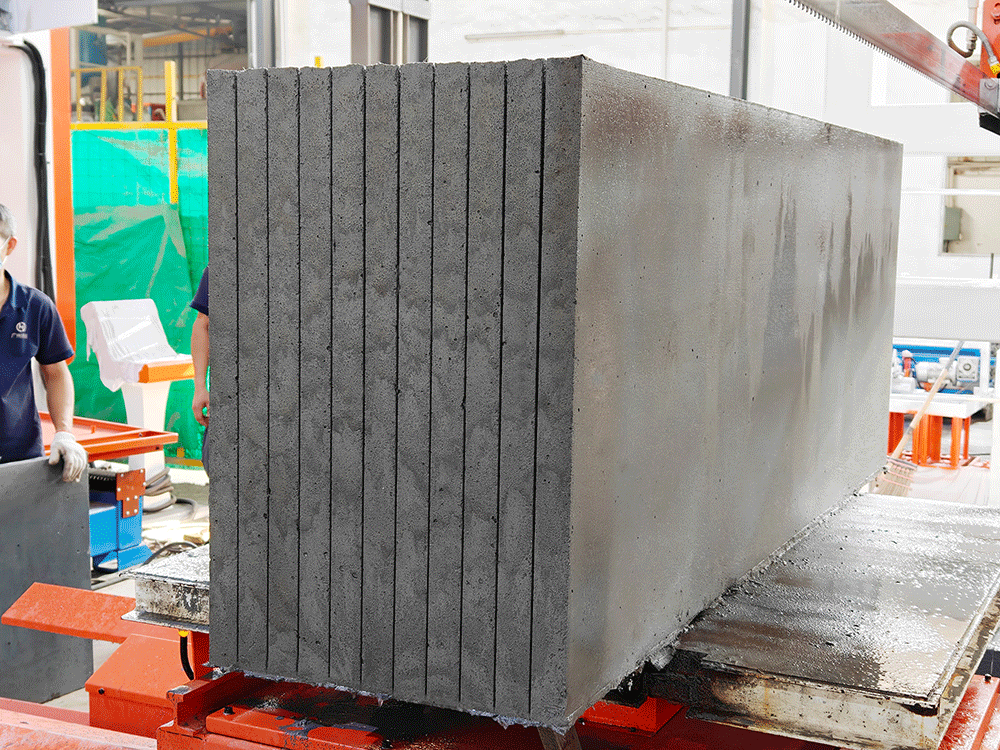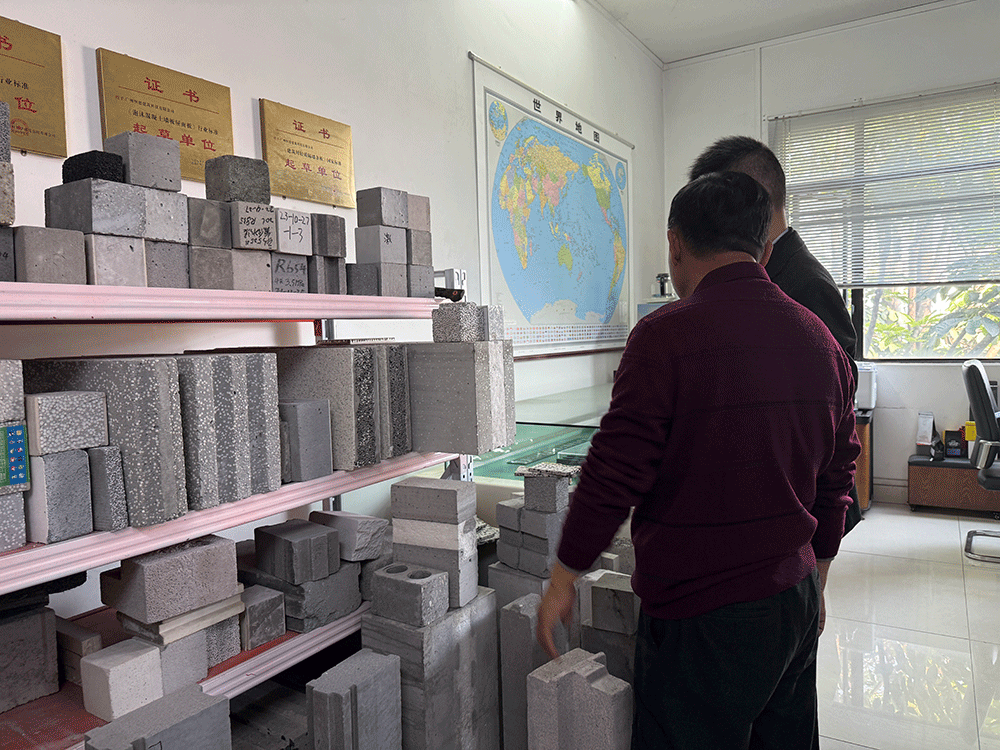
Guangzhou Hengde conducted a factory cutting test for fire-door core board material on 6 August 2026. The test reviewed cutting at different board thicknesses, the handling of long-format material and the condition of the product after cutting.
The purpose was to make the equipment discussion more concrete. Rather than relying only on a drawing or a stated size range, the factory team could observe how the material entered the cutting area, how it was supported and what the cut surfaces and edges looked like.
What the test can show
A factory cutting test can provide useful evidence for equipment and process planning. Depending on the agreed test method, the team can review:
- whether the material can be positioned and supported without excessive deflection;
- cutting consistency across more than one target thickness;
- surface condition, edge chipping and visible damage after cutting;
- the relationship between cutting path, board length and transfer support;
- handling requirements before and after the cut;
- practical points for cleaning, adjustment and operator access.
These observations help the project team refine the proposed equipment arrangement and define acceptance points for a later factory inspection.

Documented test detail from the Hengde factory on 6 August 2026.
Material condition must be recorded
Cutting behaviour depends on more than the machine. Board formulation, density, moisture, curing condition, age, thickness and internal uniformity can all affect the result. A useful test record should therefore identify the sample and its condition, not just the cutting-machine setting.
If a future batch behaves differently, those records give the technical team a basis for comparison. Without them, it is difficult to know whether the change came from the material, the process, the blade condition, the support arrangement or a combination of factors.
A cutting test is not a fire-performance certificate
The 6 August activity was a cutting and handling test. It does not establish a fire rating, certify a finished fire door or replace the tests required by the target market.
Fire-related performance depends on the complete product system and the applicable standard, including the door construction, facing materials, frame, hardware, seals and tested assembly. Any public claim about fire resistance should come from an authorised test report for the relevant product and configuration.
Keeping that distinction clear makes the factory record more credible. Hengde can show what was actually tested without turning an equipment demonstration into an unsupported product certification.
From test result to project specification
The next step is to translate the observation into a written requirement. The project team should confirm target board dimensions and thicknesses, acceptable dimensional tolerance, surface and edge criteria, production rhythm, upstream curing condition and downstream handling.
The cutting system can then be reviewed as part of the full production line. Material preparation, moulding, curing, demoulding, cutting, transfer and finished-product handling must work together. If the upstream board condition is unstable, even a carefully aligned cutter will not deliver a repeatable final product.
Hengde provides project support from material and product review through layout, equipment manufacturing, factory testing, installation, commissioning and operator training. To arrange a cutting review, contact the project team with the board formulation, sample dimensions, required thicknesses and target-market test requirements.
Event source
Publication note: Use only the supplied 6 August factory images. Do not describe people in the images as customers unless image ownership and participant identity are separately confirmed.