
PREPARATION & METERING
Conveyor-linked metering hopper
Buffers and meters compatible material between conveying and batch preparation.
Compare line configurations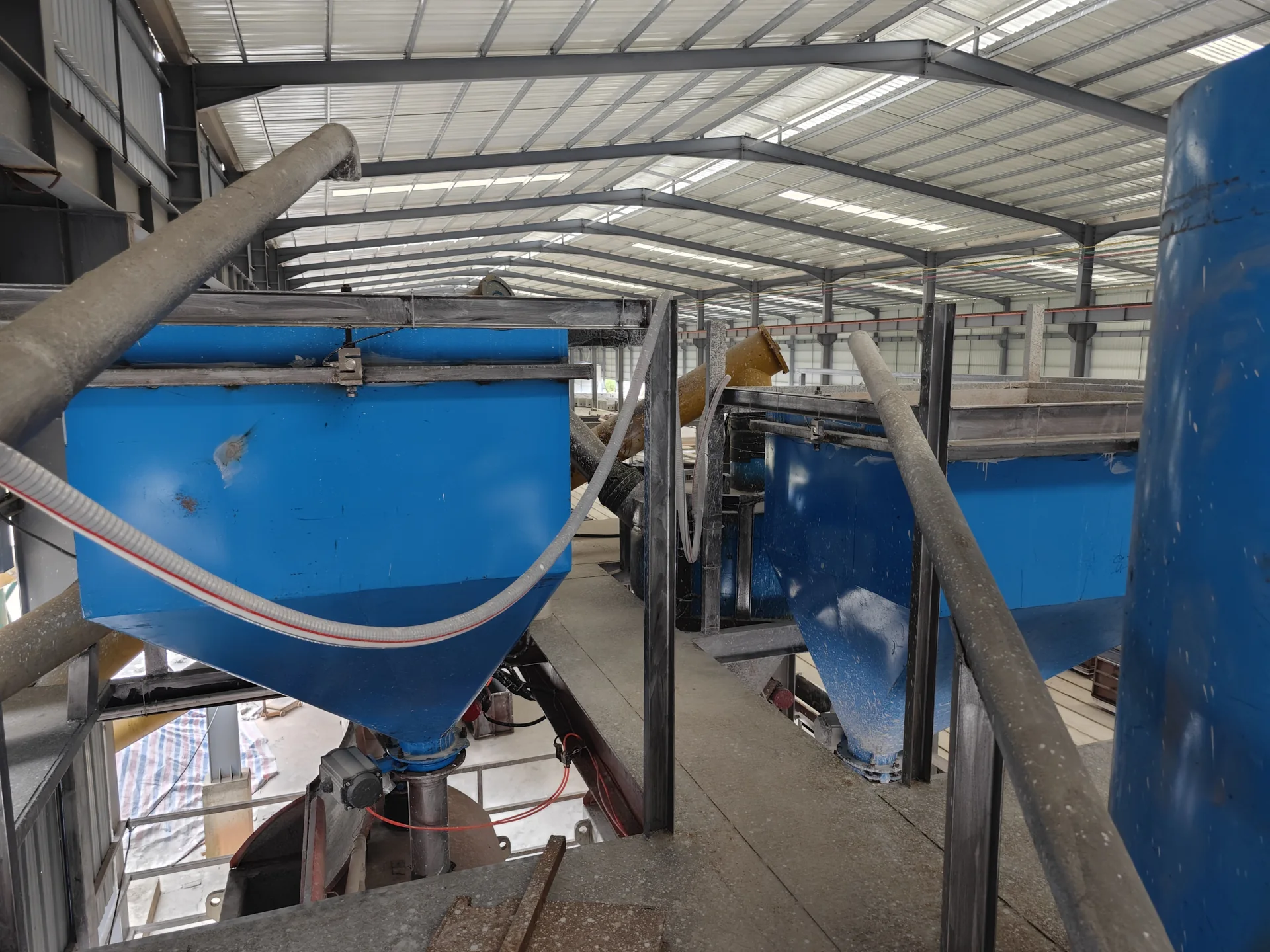
EQUIPMENT GALLERY
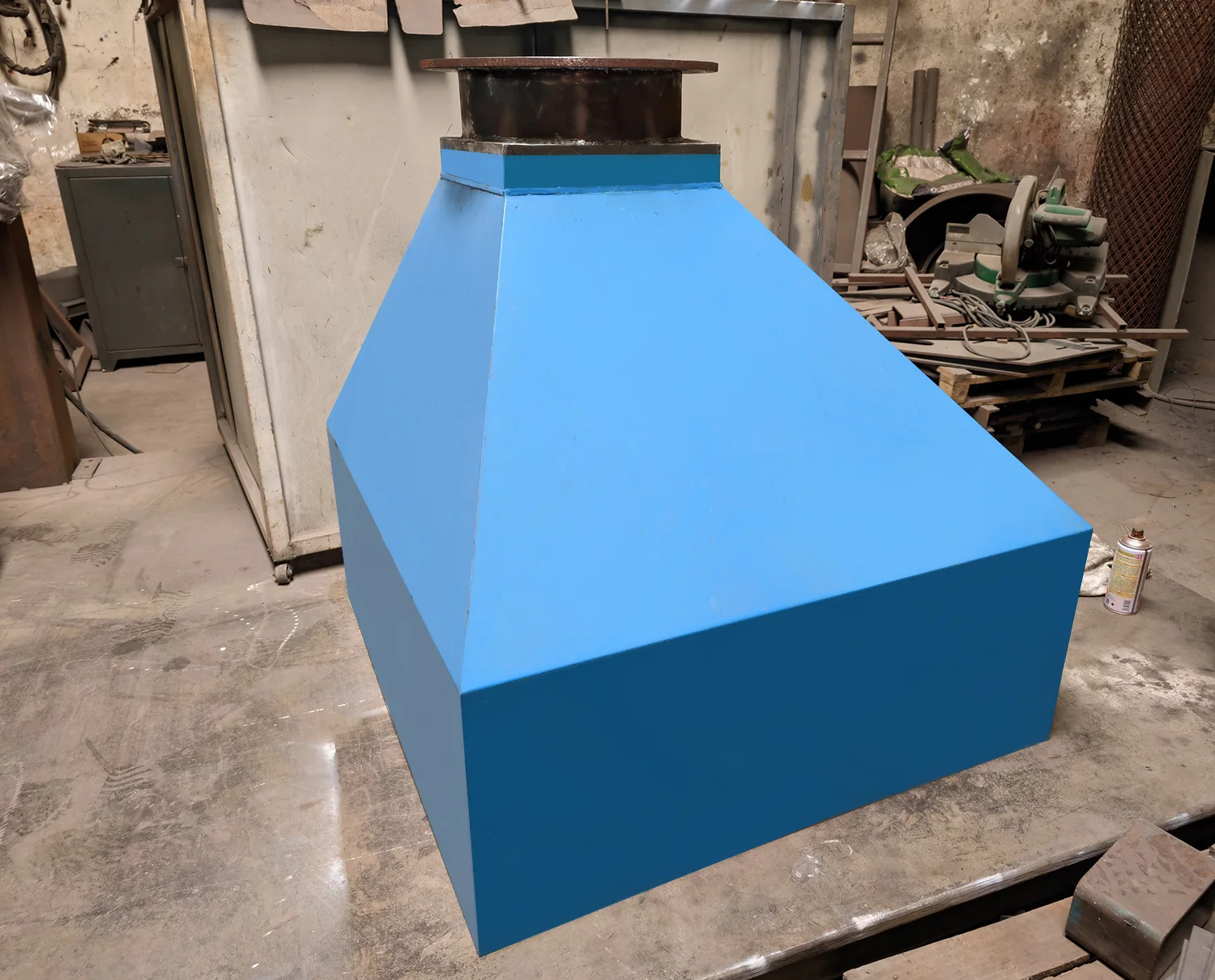
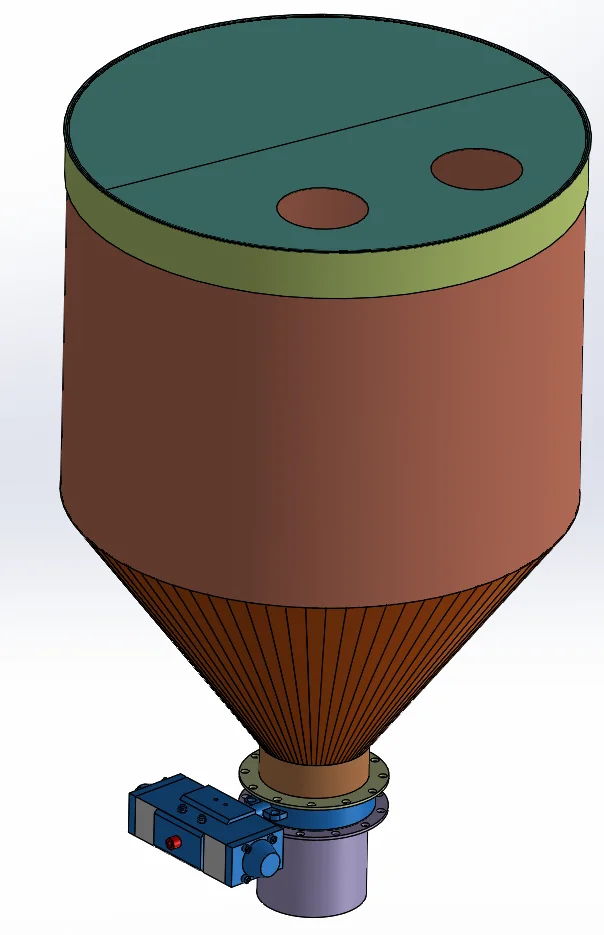
Real equipment photos and engineering views
Open any image to inspect the original full-size media.
STANDARD EQUIPMENT PARAMETERS
Model, dimensions, power, weight and function
Standard catalogue parameters. Capacity-specific quantity remains in the production-line configuration table below.
| Variant | Model | Dimensions | Rated power | Reference weight | Function |
|---|---|---|---|---|---|
| Conveyor-linked weighing hopper | HDSS-001 | Ø1000 × H1500 mm | 0.55 kW | 93 kg | Buffers and weighs material at the connected conveying stage. |
Reference parameters describe the listed equipment model. Final interfaces, voltage, quantity and delivered configuration are confirmed in the project quotation and engineering drawings.
PRODUCTION-LINE CONFIGURATIONS
Configuration options by production line
The highlighted row matches the production line you selected. Final model, dimensions, quantity and power are confirmed during project engineering.
| Production line | Model | Dimensions | Qty. | Unit power | Total |
|---|---|---|---|---|---|
| 50 m³/day → | HDSS-001 | Ø1000 × 1500 | 1 | 0.55 kW | 0.55 kW |
| 100 m³/day → | HDFL-001 | Ø1310 × H1950 | 1 | 0.55 kW | 0.55 kW |
| 200 m³/day → | HDFL-001 | Ø1310 × H1950 | 1 | 0.55 kW | 0.55 kW |
| 300 m³/day → | HDFL-001 | Ø1310 × H1950 | 1 | 0.55 kW | 0.55 kW |
| 400 m³/day → | HDFL-001 | Ø1310 × H1950 | 1 | 0.55 kW | 0.55 kW |
| 600 m³/day → | HDFL-001 | Diameter 1310 × Height 1950 | 1 | 0.55 kW | 0.55 kW |
| 1000 m³/day → | HDFL-001 | Ø1310 × H1950 | 1 | 0.55 kW | 0.55 kW |
| 80 m³/day → | HDFL-001 | Ø1310 × H1950 | 1 | 0.55 kW | 0.55 kW |
| 150 m³/day → | HDFL-001 | Ø1310 × H1950 | 1 | 0.55 kW | 0.55 kW |
| 200 m³/day → | HDFL-001 | Ø1310 × H1950 | 1 | 0.55 kW | 0.55 kW |
| 500 m³/day → | HDFL-001 | Ø1310 × H1950 | 1 | 0.55 kW | 0.55 kW |
USED IN THESE PRODUCTION LINES
Return to the corresponding capacity
50 m³/day
HDSS-001 · 1
Back to production-line equipment → Lightweight block production100 m³/day
HDFL-001 · 1
Back to production-line equipment → Lightweight block production200 m³/day
HDFL-001 · 1
Back to production-line equipment → Lightweight block production300 m³/day
HDFL-001 · 1
Back to production-line equipment → Lightweight block production400 m³/day
HDFL-001 · 1
Back to production-line equipment → Lightweight block production600 m³/day
HDFL-001 · 1
Back to production-line equipment → Lightweight block production1000 m³/day
HDFL-001 · 1
Back to production-line equipment → Lightweight wall panel production80 m³/day
HDFL-001 · 1
Back to production-line equipment → Lightweight wall panel production150 m³/day
HDFL-001 · 1
Back to production-line equipment → Lightweight wall panel production200 m³/day
HDFL-001 · 1
Back to production-line equipment → Lightweight wall panel production500 m³/day
HDFL-001 · 1
Back to production-line equipment →SAME PROCESS STAGE
Explore other equipment in preparation & metering
Compare other equipment used at the same production stage. Final selection depends on the complete line configuration.
Dosing hopper
Buffers and meters confirmed batch material before mixing.
Open equipment detail → Preparation & meteringAggregate mixing & dosing station
Prepares and meters the confirmed aggregate stream for the connected batch.
Open equipment detail → Preparation & meteringAutomatic feeding line
Moves confirmed material or carriers through the listed automatic feed stage.
Open equipment detail →Discuss this equipment in a complete production line
Send the target product, planned output, raw materials and project location. HENGDE will match the equipment to the complete factory configuration.