Installation Field Note: Five Site Conditions to Close Before the Engineers Arrive
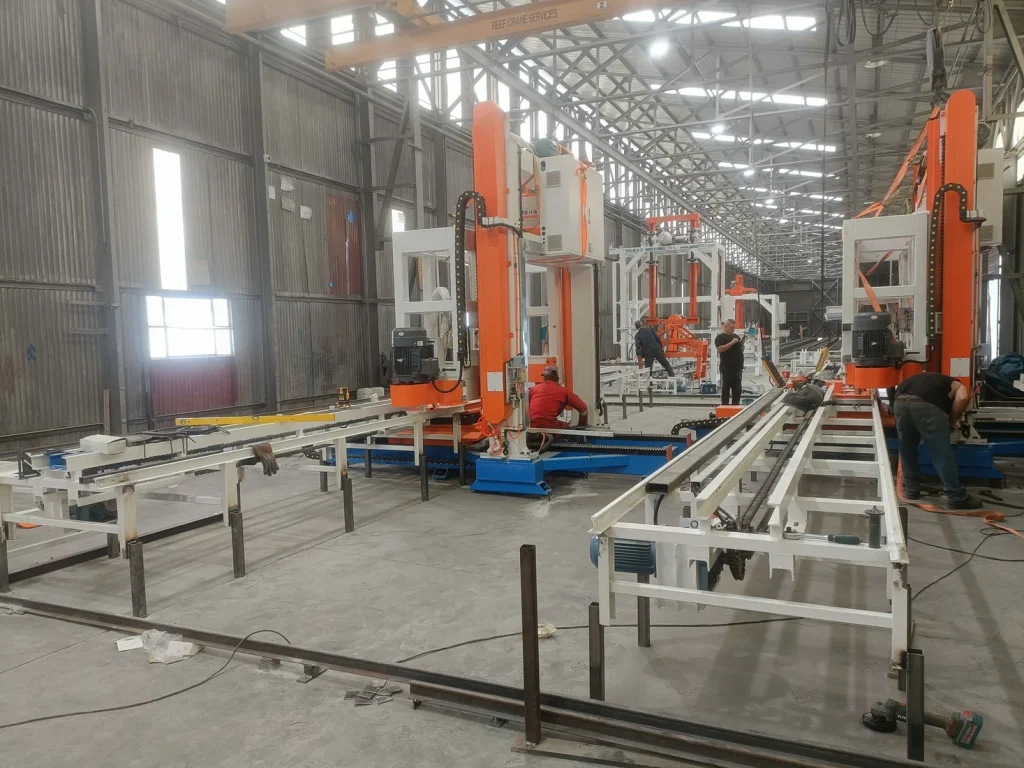
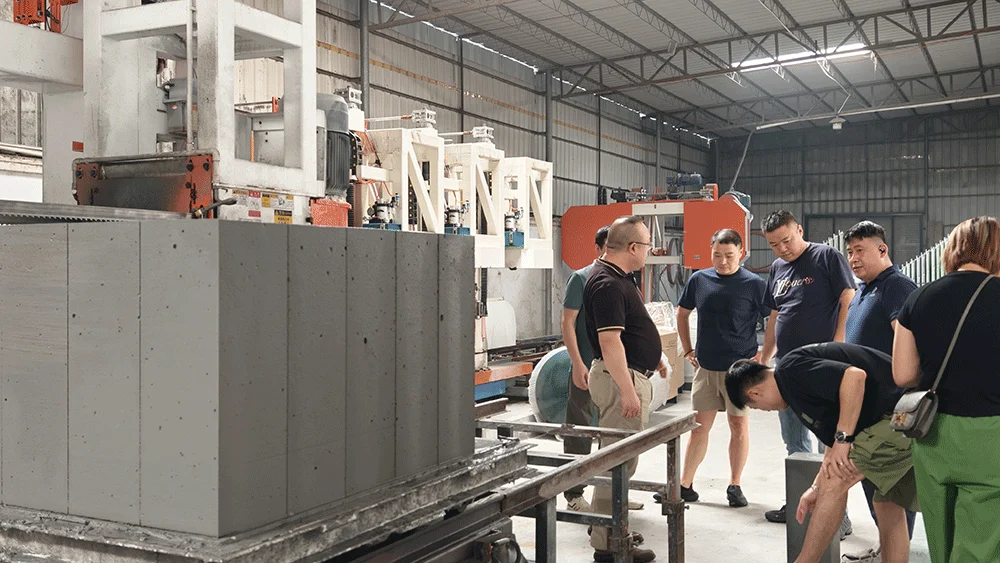
When a production-line engineer arrives on site, the project should be ready for installation—not still deciding where the line will stand. Hengde’s published field records from Côte d’Ivoire and Uzbekistan show two projects entering the installation stage. The equipment and site conditions differ, but the management lesson is the same: overseas installation depends on work completed before the service team travels. The following five conditions should be closed through drawings, photographs and written responsibility lists.
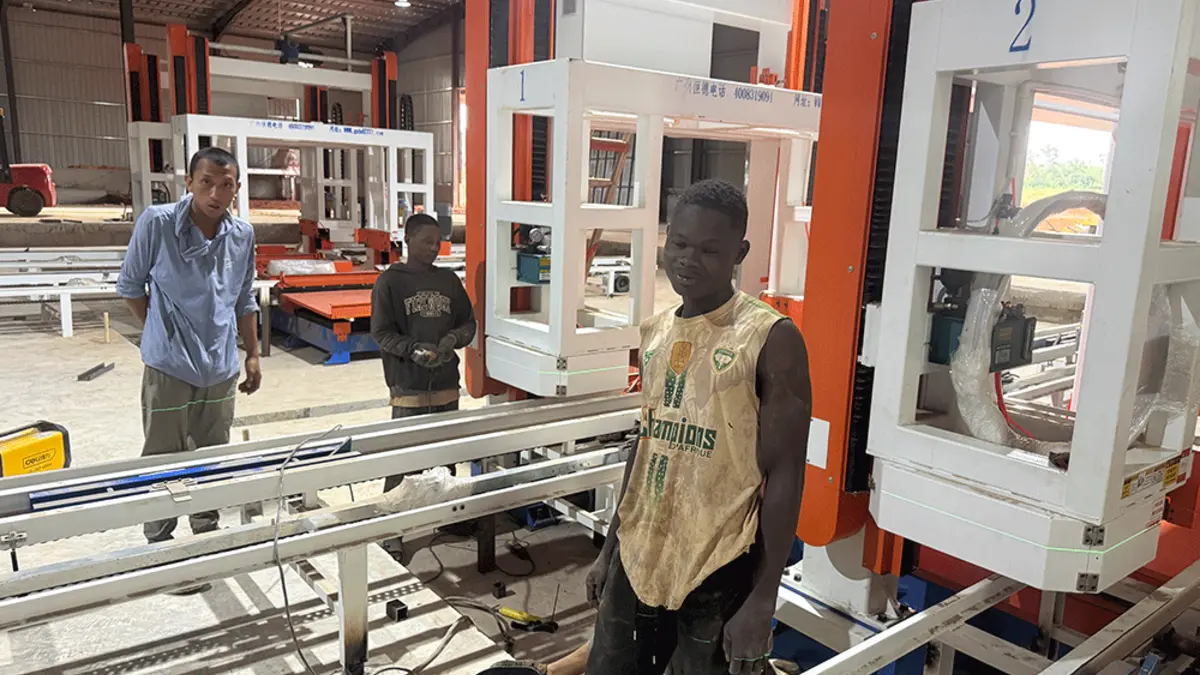
When a production-line engineer arrives on site, the project should be ready for installation—not still deciding where the line will stand.
Hengde’s published field records from Côte d’Ivoire and Uzbekistan show two projects entering the installation stage. The equipment and site conditions differ, but the management lesson is the same: overseas installation depends on work completed before the service team travels.
The following five conditions should be closed through drawings, photographs and written responsibility lists.
1. Foundations and reference lines
Equipment foundations must match the approved layout and interface dimensions. Before installation begins, the project team should confirm foundation size, level, embedded parts or anchor positions, drainage and the reference axis used to align connected machines.
Small errors can accumulate across conveyors, mould tracks, cutting equipment and transfer sections. A local correction may be possible, but it consumes time and can create a new misalignment elsewhere. Hengde therefore asks the site team to submit measured records and current photographs rather than relying only on an early civil drawing.
2. Power, water and other utilities
“Power is available” is not a complete utility check. The project needs the correct supply standard, distribution point, cable route, grounding arrangement and safe temporary power for installation work. Water storage and delivery must support both production and cleaning. Where compressed air, drainage or lifting power is required, those interfaces should be listed as well.
Utility checks should use the final equipment list and approved electrical documentation. A preliminary sales configuration is not enough for site connection work.
3. Access, lifting and unloading
Container and truck access must be reviewed from the port or local yard to the actual installation area. The project team should confirm road restrictions, gate width, turning space, floor load, crane or forklift availability, lifting height and the sequence in which equipment will be unloaded.
The largest item is not always the only concern. Long frames, cutting tracks and control cabinets need safe handling and protected staging. Unloading in the wrong order can block the very area needed for installation.
4. Covered storage and equipment protection
Equipment may arrive before every area is ready. The site therefore needs a dry, controlled storage plan. Electrical cabinets, motors, instruments and spare parts should not be left exposed to rain, dust or uncontrolled construction work.
Packing-list numbers should be matched to storage locations so the installation team can find components without opening every package. Any shipping damage or shortage should be photographed and reported when the package is opened, not weeks later.
5. One site owner for decisions
An overseas installation can involve the investor, civil contractor, electrician, local workers, lifting company and Hengde service engineer. The site needs one authorised coordinator who can make or escalate decisions.
Daily records should capture completed work, open interfaces, required materials, safety issues and the next day’s plan. This prevents a technical question from becoming a multi-day delay because each party assumes someone else is responsible.
Installation is followed by commissioning and training
Mechanical completion is not the end of the project. The line must be checked without material, tested with the intended raw materials, adjusted against the target product and handed to operators who understand both normal operation and basic fault response.
Acceptance criteria should distinguish mechanical installation, no-load testing, trial production, product checks and operator training. A photograph of assembled equipment proves only that the equipment is present; it does not prove stable commercial production.
Hengde’s project services connect plant planning, interface drawings, manufacturing, installation guidance, commissioning and training. To prepare an installation review, send the team the latest site layout, civil measurements, utility status, access photos and proposed installation dates.
Project references
- Côte d’Ivoire lightweight-block line installation record
- Uzbekistan lightweight-block line installation record
- Hengde English project archive
Editorial note: These project records confirm installation activity only. They do not claim commissioning, certified output or commercial production unless a later record documents those stages.
Final capacity, process and equipment configuration require project-specific engineering verification.
REAL HENGDE REFERENCE
Equipment, project or engineering evidence
The real HENGDE media shown in the article Hero is the primary visual reference for this guide. Configuration details remain project-specific.
Discuss your production line project with HENGDE.
Share your product, project location, target output and available materials with the HENGDE team.
Discuss Your Project