How to Choose the Right Lightweight Block Production Line Capacity
Choosing a lightweight block production line is a planning decision before it is a machine comparison. A factory must turn local materials into products that customers can buy, store and use. Its daily output depends on the whole route: batching, pouring, time in moulds, cutting, handling and finished-product storage. A nominal capacity on a drawing is therefore a starting point, not a promise that every project will reach the same output. This guide explains which operating assumptions to establish before comparing a 100 m³/day line with a 200 m³/day or larger configuration.
The problem: buying capacity before defining demand
Start with expected daily sales by product size, rather than a broad estimate of the national market. Separate committed orders from future opportunities. Consider seasonal demand, delivery distance and how much stock your yard can hold. The useful target is saleable product leaving the factory, not simply the volume poured into moulds.
Seven factors that set a realistic output target
- Market demand: estimate repeat orders and the product mix customers actually need.
- Daily orders: translate monthly demand into the working days and dispatch pattern you expect.
- Mould numbers: match the number and size of moulds to their complete return cycle.
- Curing: establish when the selected mix can be demoulded and cut under local conditions.
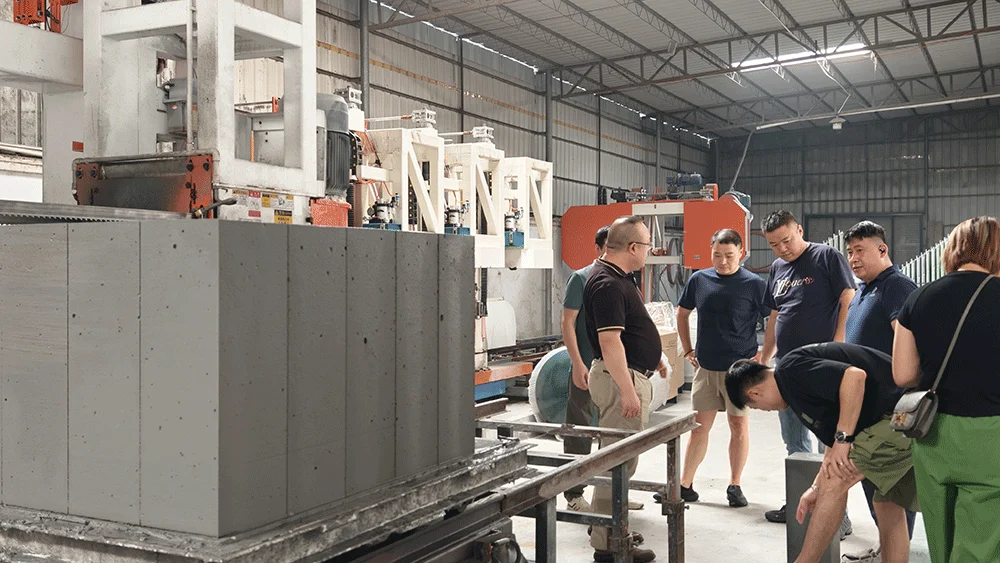
- Cutting capacity: check loading, cutting, unloading and cleaning together.
- Shifts: distinguish staffed hours from effective production time.
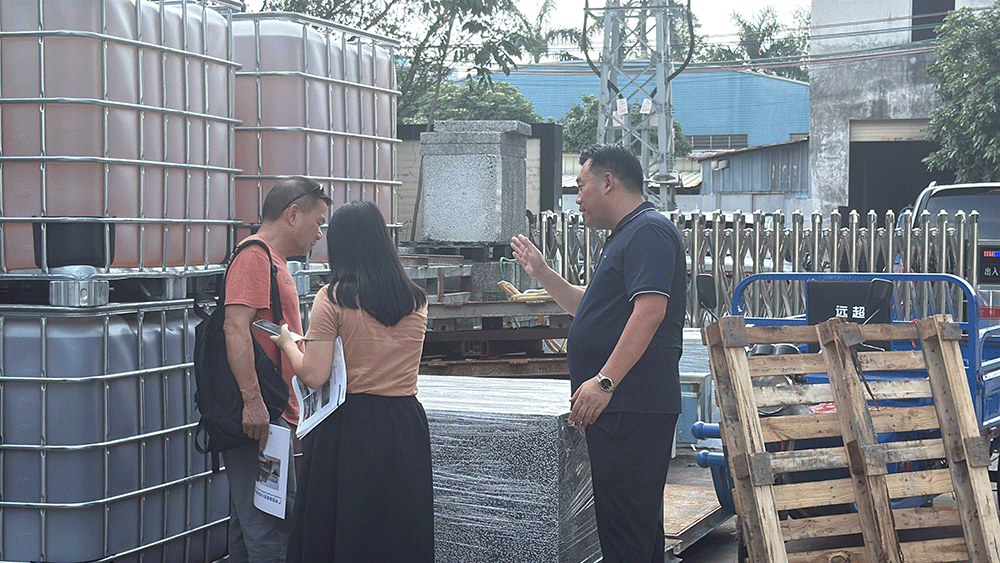
- Downstream handling: include stacking, packing, storage and loading for delivery.
Engineering explanation: follow the slowest stage
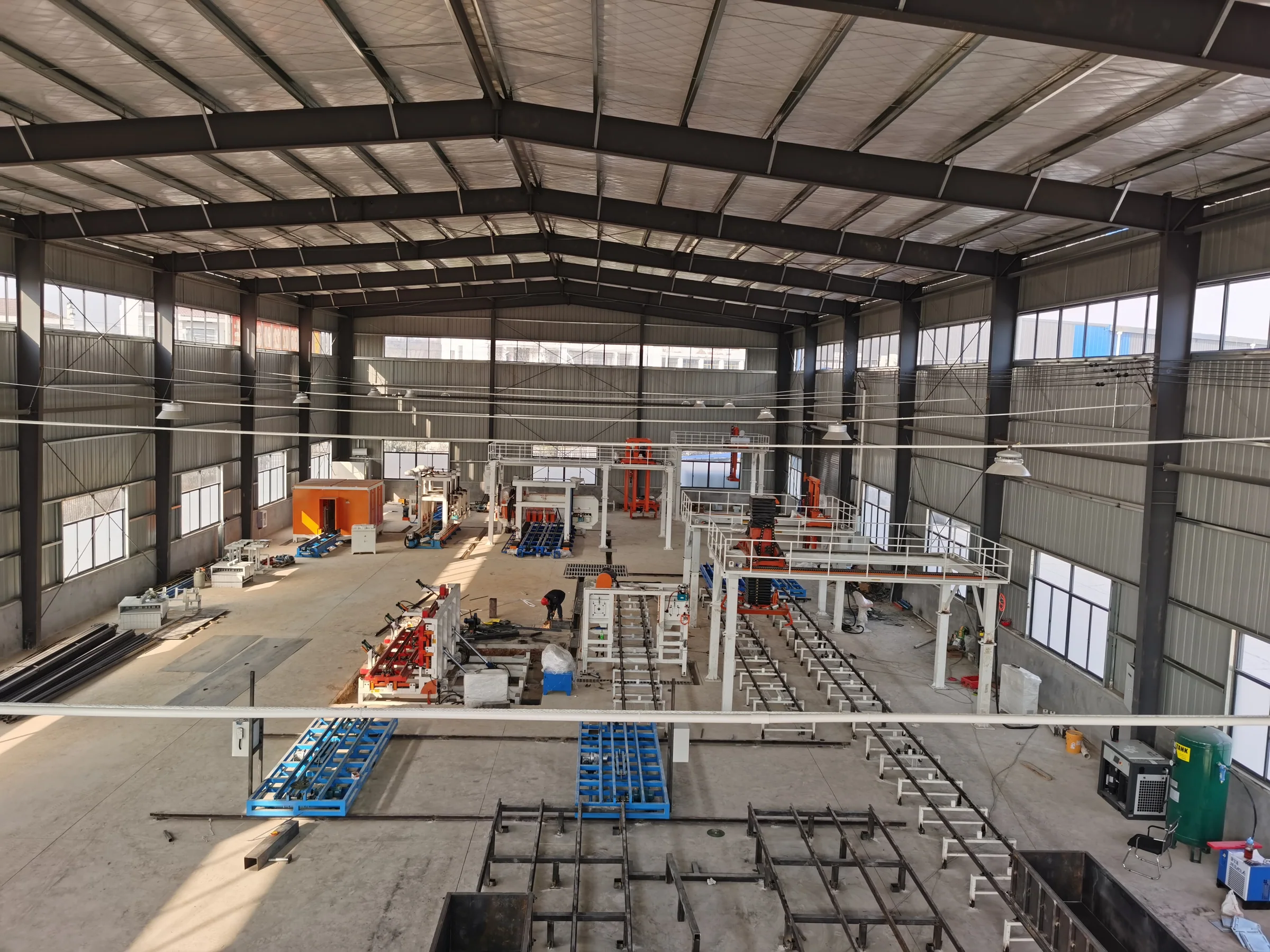
A larger mixer cannot overcome a shortage of ready-to-use moulds. A fast cutter cannot help if the green bodies have not reached a suitable cutting condition. Map each stage and its buffer space, then check where work accumulates. Any production estimate should state its mix, product size, mould plan, shifts and handling assumptions.
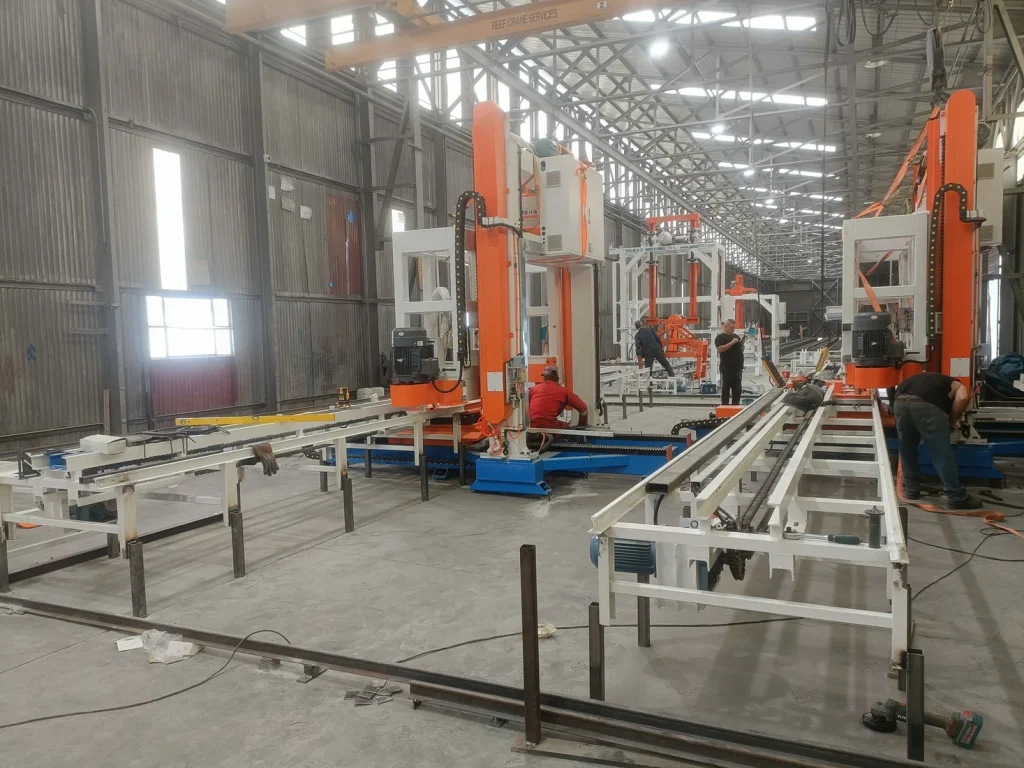
Compare the 100 m³/day CLC block production line and the 200 m³/day lightweight block line as complete configurations. Do not assume every machine, mould quantity or operating condition scales in a straight line between them.
Common mistakes when comparing capacity
Frequent mistakes include treating mixer volume as daily plant output, ignoring rejected products, counting curing space twice and assuming an additional shift doubles dispatch volume. Another is buying the final expansion stage before the factory has established a consistent mix and customer demand. A phased layout can reserve space and connections without purchasing every future module immediately.
What information HENGDE needs
Send your project country, intended block sizes, output target, available materials, workshop sketch and planned working pattern. Explain how blocks will be stored and delivered. Our capacity and factory layout planning service connects these inputs to the proposed line. The Albania foam-concrete block project is a related installation reference, not a guarantee of identical performance with different materials.
Frequently asked questions
Is a larger line always the safer investment?
No. Unused capacity still occupies space and capital. Choose a realistic first-stage output and discuss how the layout can accommodate expansion.
Can I increase output just by adding moulds?
Only if mould availability is the limiting stage and mixing, cutting, handling and curing space can support the additional flow. Review the full production cycle first.
What should a capacity proposal specify?
At minimum, the target product, process route, capacity basis, mould arrangement and operating assumptions. Ask which customer-prepared facilities are required.
Discuss your daily output target with HENGDE and receive a configuration based on your factory conditions.
Final capacity, process and equipment configuration require project-specific engineering verification.
REAL HENGDE REFERENCE
Equipment, project or engineering evidence
The real HENGDE media shown in the article Hero is the primary visual reference for this guide. Configuration details remain project-specific.
Discuss your production line project with HENGDE.
Share your product, project location, target output and available materials with the HENGDE team.
Discuss Your Project