How to Reduce Lightweight Block Line Investment Without Sacrificing Output
Reducing the initial investment in a lightweight block production line should not mean removing equipment without checking the process. A cheaper arrangement can become expensive if it produces idle time, difficult handling or inconsistent products. A better approach is to define the required saleable output, identify the stages that control it, and choose an appropriate level of automation. This guide explains how to discuss a phased factory project with HENGDE. It does not promise a fixed saving: the useful choices depend on your local labour, materials, product mix, site and expected orders.
The problem: buying more capacity than the business can use
A large nominal capacity can look attractive when the price difference between quotations is small. But the full investment also includes moulds, factory space, utilities, handling, storage and commissioning. Start with a realistic sales plan and the production needed to support it, then separate first-stage requirements from future expansion.
Factors that deserve a cost discussion
- Market demand and daily output: size the first phase around a credible order pipeline.
- Automation level: consider labour availability, consistency, maintenance and safe handling—not only purchase price.
- Mould numbers: enough moulds are needed for the actual production and curing cycle.
- Cutting bottleneck: protect loading, cutting and unloading capacity if that stage limits the line.
- Local labour costs: compare the staffing pattern of each proposed arrangement.
- Expansion: reserve practical space and interfaces where later additions are likely.
Engineering explanation: remove excess, not essential flow
Map a normal production day and identify where equipment waits. If the problem is mould return, adding a faster mixer may not improve dispatch volume. If cutting or stacking limits the process, savings elsewhere should not create more work at that stage. Compare configurations using the same product, material and shift assumptions.
The 50 m³/day CLC line and 100 m³/day CLC line provide different starting points for a project discussion. They are not interchangeable quotations, and a simplified arrangement should not be silently mixed with the standard configuration’s equipment list.
Plan expansion without buying it all now
A phased plan can consider workshop access, material routes, electrical capacity and future equipment positions before the first installation. Ask which interfaces must be prepared initially and which can wait. Later expansion still needs an engineering review; it is not automatically a bolt-on increase in daily output.
Common mistakes
Avoid cutting the budget by skipping material trials, underestimating mould requirements or relying on manual handling without a practical operating plan. Do not assume that every old machine should be replaced: inspect condition, compatibility and the actual bottleneck first. Equally, retaining unsuitable equipment can undermine the new line.
What information HENGDE needs
Share your target output, expected product sales, available budget range, local staffing conditions and future expansion plans. For an existing factory, include a layout and descriptions of the current equipment. Our capacity and layout planning service can compare the options. The Aksu simplified-line retrofit project is a related upgrade reference, not a fixed-cost template for another factory.
Frequently asked questions
Is manual production always less expensive?
It may reduce some equipment costs, but labour, handling, consistency and achievable output also affect the operating result. Compare the complete arrangement.
Can an upgrade be better than a new line?
Sometimes. The answer depends on the condition of the existing equipment and whether a targeted improvement addresses the limiting stage.
Final capacity, process and equipment configuration require project-specific engineering verification.
REAL HENGDE REFERENCE
Equipment, project or engineering evidence
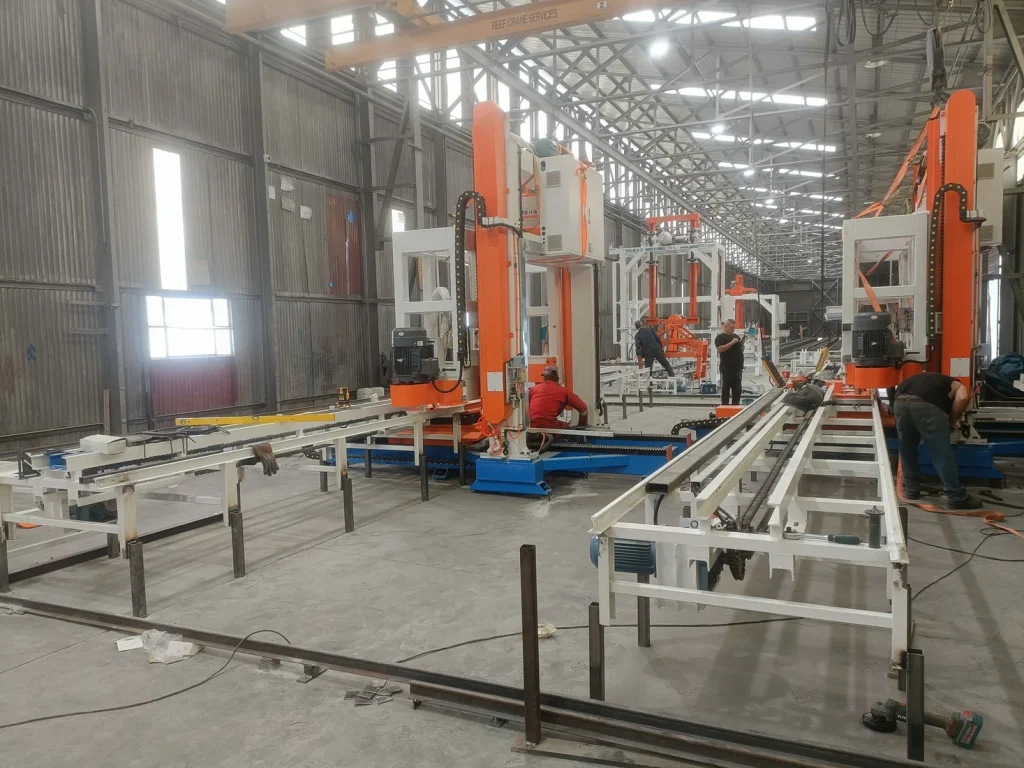
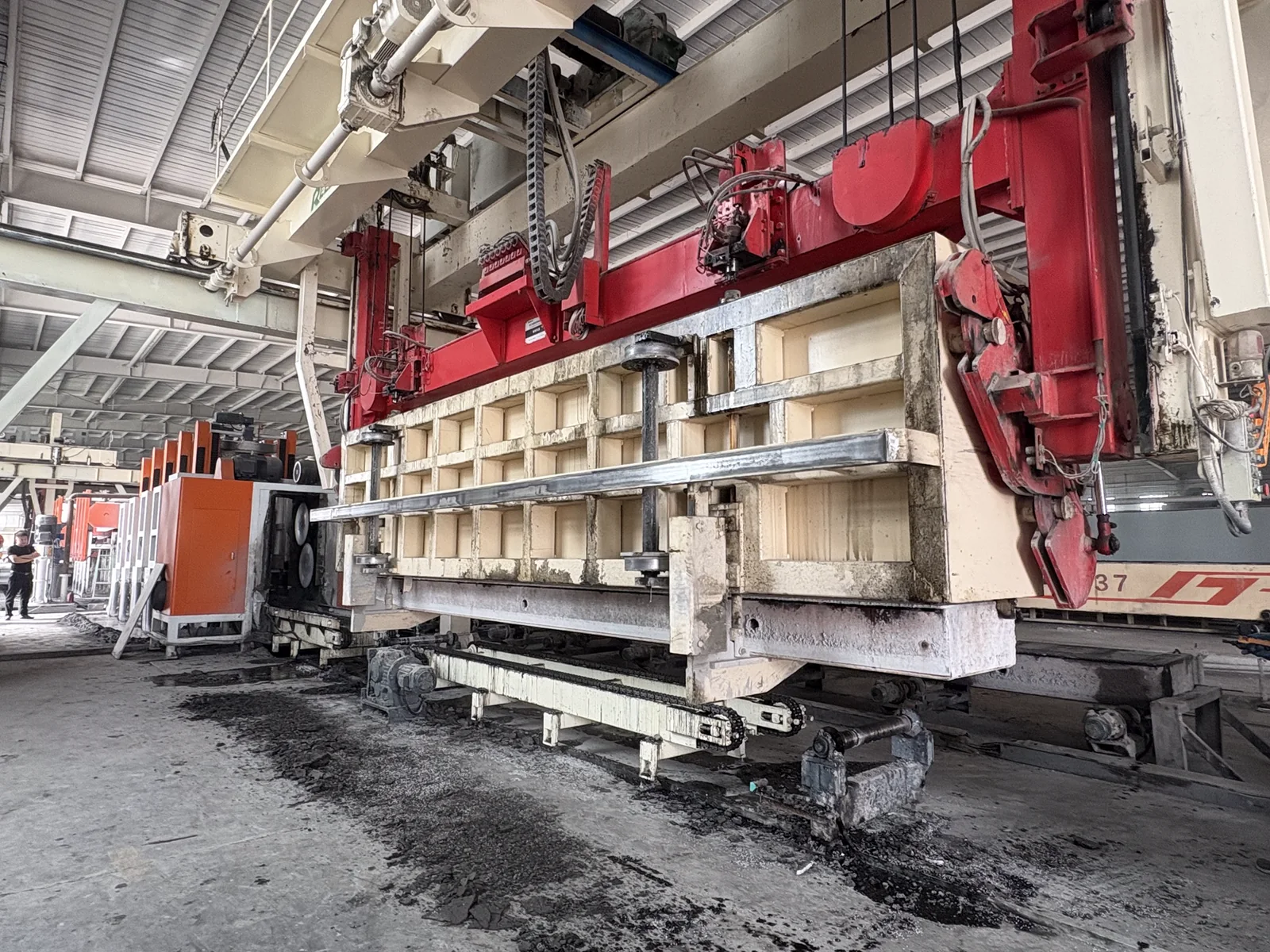
The real HENGDE media shown in the article Hero is the primary visual reference for this guide. Configuration details remain project-specific.
Discuss your production line project with HENGDE.
Share your product, project location, target output and available materials with the HENGDE team.
Discuss Your Project