Can Local Raw Materials Be Used to Produce CLC or Lightweight Blocks?
Local raw materials can influence both the practicality and the cost of a lightweight block project. River sand, manufactured sand, stone powder, fly ash and certain industrial by-products may be considered, but their names alone do not establish suitability. Two supplies sold under the same name can behave differently during mixing, moulding and curing. HENGDE starts with samples and the intended product requirements, then develops a trial route. The purpose is to find a repeatable combination of materials, formulation and equipment—not to promise that every available waste stream can become a saleable block.
The problem: a material name is not a specification
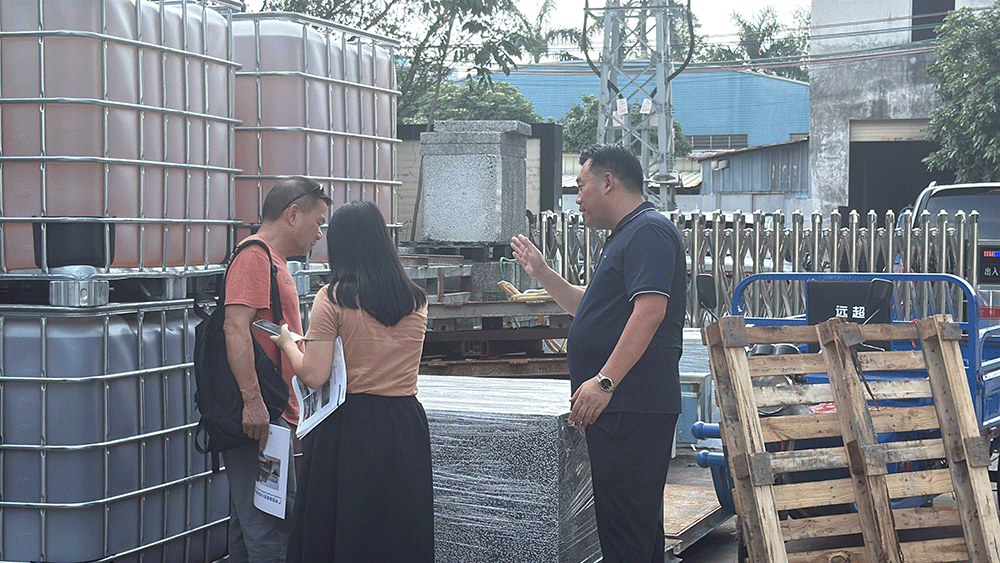
A low purchase price may be offset by screening, grinding, drying, transport or inconsistent quality. Ask the supplier about origin, processing and variation between deliveries. Consider whether the material can be sourced reliably at the scale required by the factory.
Which materials can be assessed?
- River sand and manufactured sand: assess grading, fines, cleanliness and consistency.
- Stone powder: identify the source rock and processing route, rather than treating all quarry fines as equivalent.
- Fly ash: review the source and batch variability alongside trial performance.
- Slag: identify the actual material and its treatment; the term covers different industrial products.
- Tailings: examine composition, particle size and the testing needed for the proposed use.
- Construction waste: establish sorting, contaminant removal and consistent processing before mix trials.
Material assessment should include applicable local environmental and product requirements. This guide does not replace project testing or local approval.
From sample to equipment configuration
Material sample → testing → trial formula → formulation adjustment → process confirmation → equipment configuration.
Trials should look beyond an attractive fresh mix. Record workability, behaviour in the mould, suitable demoulding and cutting conditions, and the hardened properties relevant to the intended product. Retest if the supply or processing changes. Keep sample labels and trial records so the production team can trace the result back to an actual material batch.
Only then select storage, feeding, metering and mixing arrangements. A difficult-to-handle powder or variable aggregate may change the preparation equipment. See the material preparation and metering equipment and the lightweight block production-line options.
Common mistakes
Do not assume that a formula used in another country transfers unchanged. Avoid comparing samples prepared differently or judging strength from appearance. Recycled-material content is not, by itself, evidence that a block meets its required performance. Keep product requirements, trial results and the available supply connected.
What information HENGDE needs
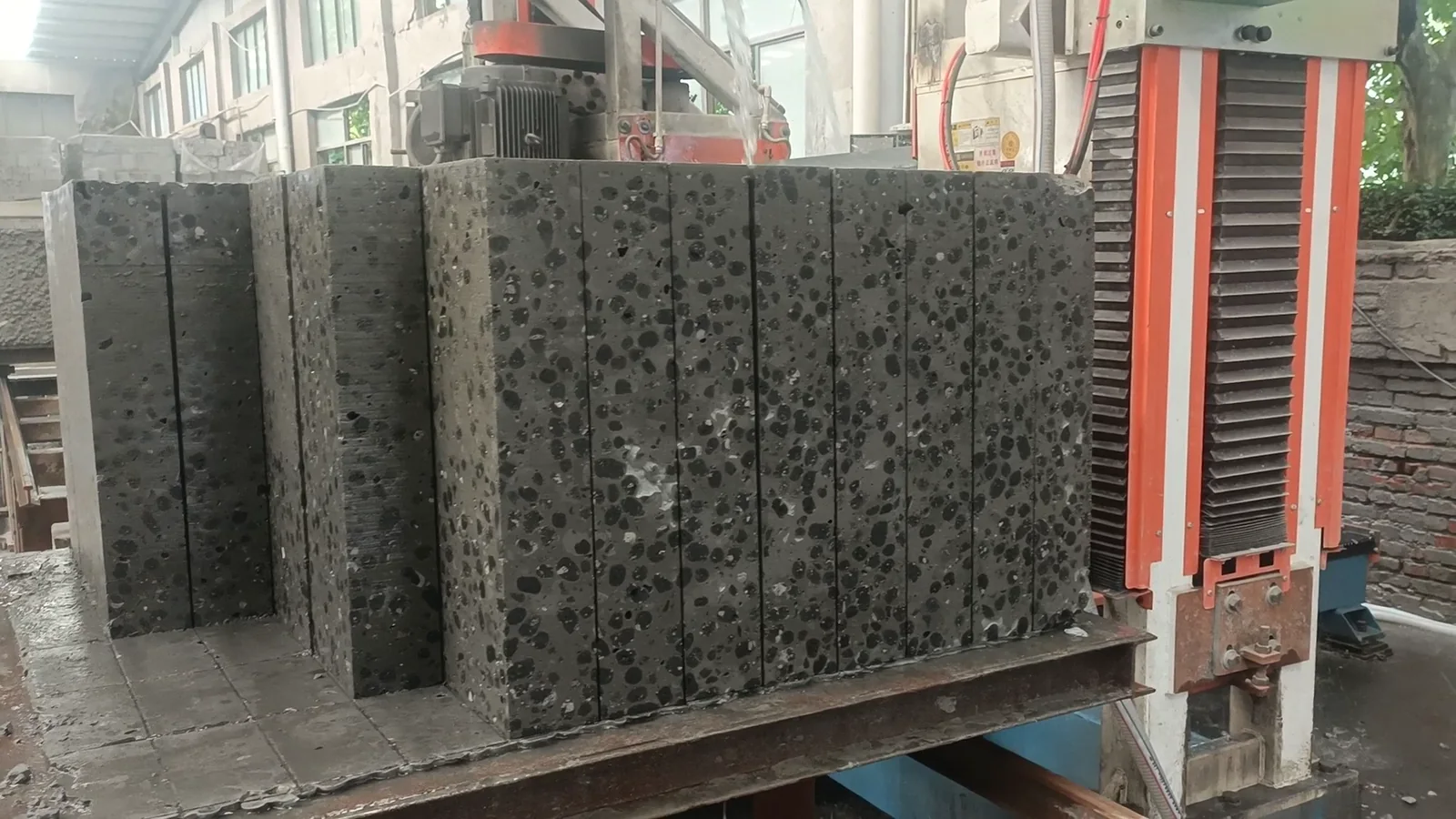
Provide the material names, origin, available analysis, approximate supply volume and photos. Tell us the target block type, size and project country. Before shipping samples, contact our raw-material assessment team for the appropriate sample preparation and handling instructions. The Shaoxing ceramsite block cutting project illustrates why equipment should match the actual product; it is not proof that an unrelated waste material will be suitable.
Frequently asked questions
Can any tailings or construction waste be used?
No. Composition, contaminants, processing needs and the final product requirements must be assessed. Some sources may be unsuitable.
Does a successful small trial guarantee factory production?
No. The process must also be checked for repeatability, handling and the intended production scale.
Should I buy the line before testing materials?
Establish the material route early enough to inform the equipment configuration and avoid preventable changes.
Final capacity, process and equipment configuration require project-specific engineering verification.
REAL HENGDE REFERENCE
Equipment, project or engineering evidence
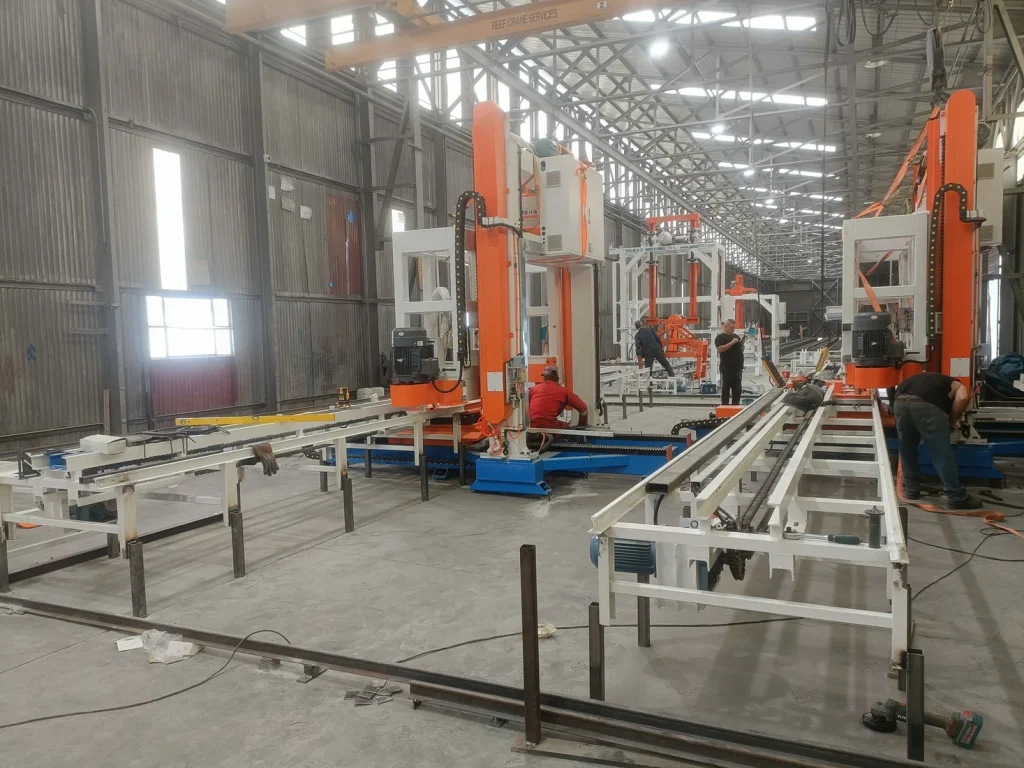
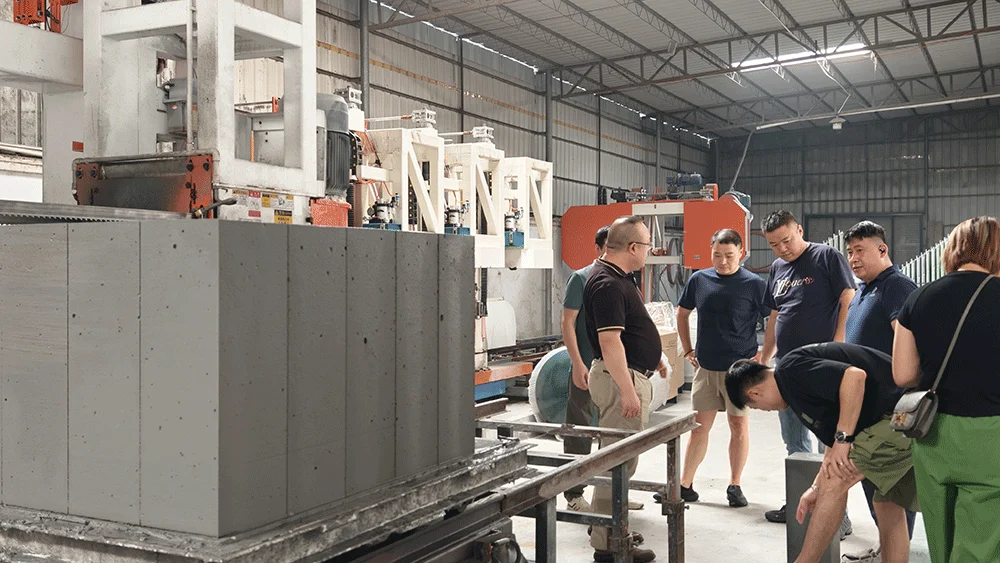
The real HENGDE media shown in the article Hero is the primary visual reference for this guide. Configuration details remain project-specific.
Discuss your production line project with HENGDE.
Share your product, project location, target output and available materials with the HENGDE team.
Discuss Your Project