What Does a Complete Lightweight Block Factory Include?
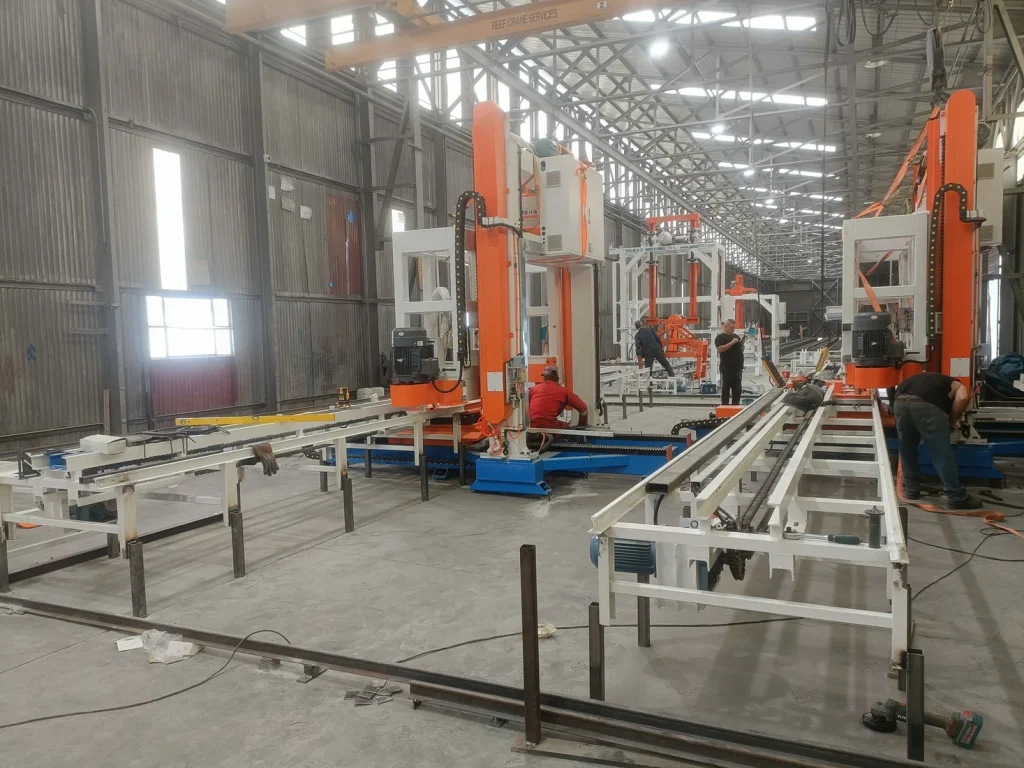
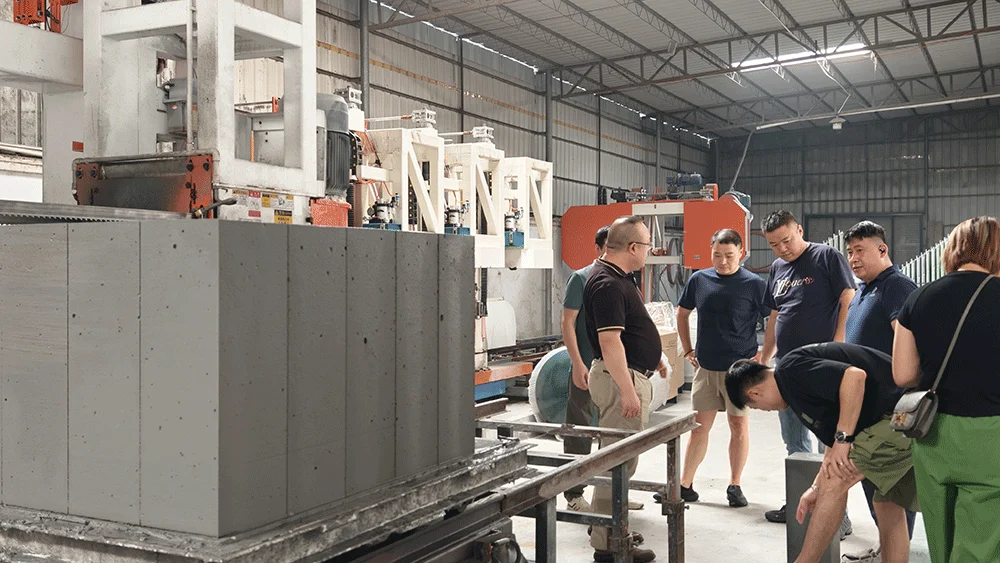
A complete lightweight block factory is a connected process, not a collection of machines. Materials must arrive in a usable condition, move through controlled batching and mixing, enter suitable moulds, reach the right condition for cutting, and leave the line as products ready for the next handling stage. Storage, circulation routes, utilities and operator access are part of that arrangement. This guide explains the main equipment groups and the facilities a customer normally needs to prepare. The final scope still depends on the chosen process, product, material supply and production target.
The problem: comparing equipment lists without comparing scope
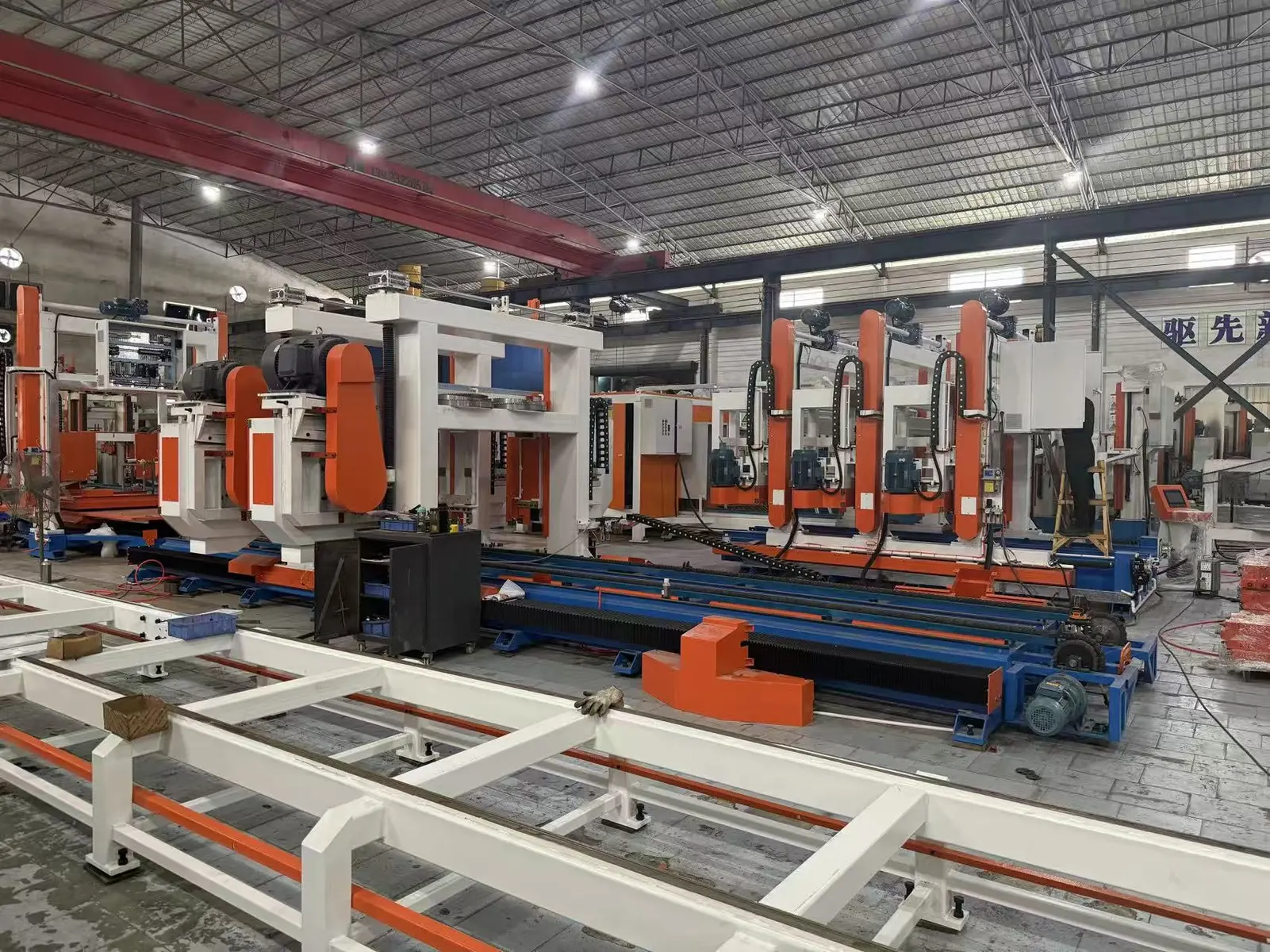
Two quotations can use similar names while including different handling systems, controls or installation services. A low equipment total does not necessarily describe a lower-cost working factory. Compare what is included, how the stages connect and what must be supplied locally.
The main equipment groups
- Raw-material storage and preparation: arrange receiving, storage and any required screening or other treatment.
- Metering: dose the selected powders, water and other inputs consistently.
- Mixing: match the mixer and sequence to the product formulation.
- Foaming or aeration: use the process-specific module; physical-foaming CLC and chemical-aeration NAAC are not the same route.
- Moulding: coordinate pouring, mould dimensions and circulation.
- Curing and demoulding: provide suitable space, handling and procedures for the selected material.
- Cutting: produce the required sizes with appropriate loading and unloading arrangements.
- Handling and stacking: transfer products safely to subsequent curing, packing or storage.
- PLC and electrical control: coordinate the selected equipment and operator interfaces.
- Installation and training: prepare the site and train operators on the supplied configuration.
Engineering explanation: the connections matter
Check how each unit receives material and where it discharges. The return path of an empty mould matters just as much as the forward path of a green body. Maintenance clearance and access should be planned before foundations are finalized. Wet-cutting arrangements also need suitable drainage and a project-specific settling and recovery layout.
The 100 m³/day CLC production-line equipment table is a useful starting point for a physical-foaming configuration. Follow its equipment links to understand individual functions. Other capacities and process routes retain their own equipment scope.
Customer-prepared facilities
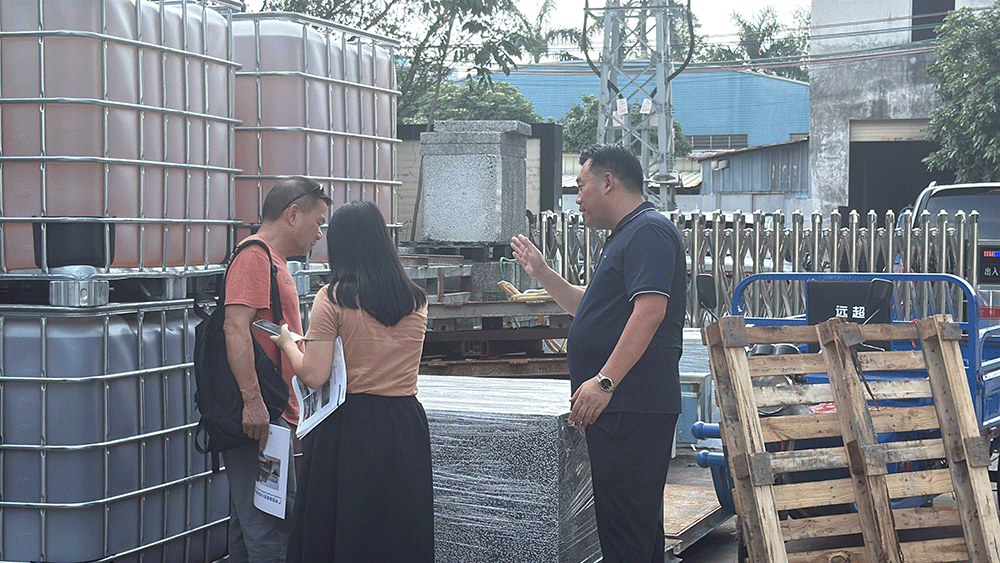
Confirm the workshop, foundations, water supply, electrical supply, access for unloading and local labour before installation. Where the selected equipment needs compressed air or other services, agree the connection requirements in the project documents. These requirements should not be guessed from a photograph of another plant.
Common mistakes
Do not leave the finished-product yard out of the layout, assume every mould-handling item is included, or order foundations before receiving the relevant engineering drawings. Avoid selecting automation without considering who will operate and maintain it.
What information HENGDE needs
Send a workshop sketch, access restrictions, available utilities, product dimensions, local materials and daily output target. The factory planning service and installation and operator training service help turn the equipment scope into a workable project. Review the Albania block factory project for an example of equipment connected at a customer site.
Frequently asked questions
Does “complete line” include the building and foundations?
Not automatically. The proposal must identify equipment, services and customer-prepared items separately.
Can equipment be installed in an existing workshop?
It may be possible after checking dimensions, foundations, access, utilities and the full material flow. Existing space can affect the arrangement.
Send HENGDE your factory requirements for a project-specific scope review.
Final capacity, process and equipment configuration require project-specific engineering verification.
REAL HENGDE REFERENCE
Equipment, project or engineering evidence
The real HENGDE media shown in the article Hero is the primary visual reference for this guide. Configuration details remain project-specific.
Discuss your production line project with HENGDE.
Share your product, project location, target output and available materials with the HENGDE team.
Discuss Your Project