Block Factory Automation in South Africa: When an Existing Line Needs an Upgrade
Block factory automation in South Africa should begin with a measured production problem. Replacing equipment because a newer automated module is available can move the bottleneck without improving qualified output. A useful upgrade identifies where time, product quality or handling is being lost, then checks whether the existing structure, utilities and operators can support the proposed change.
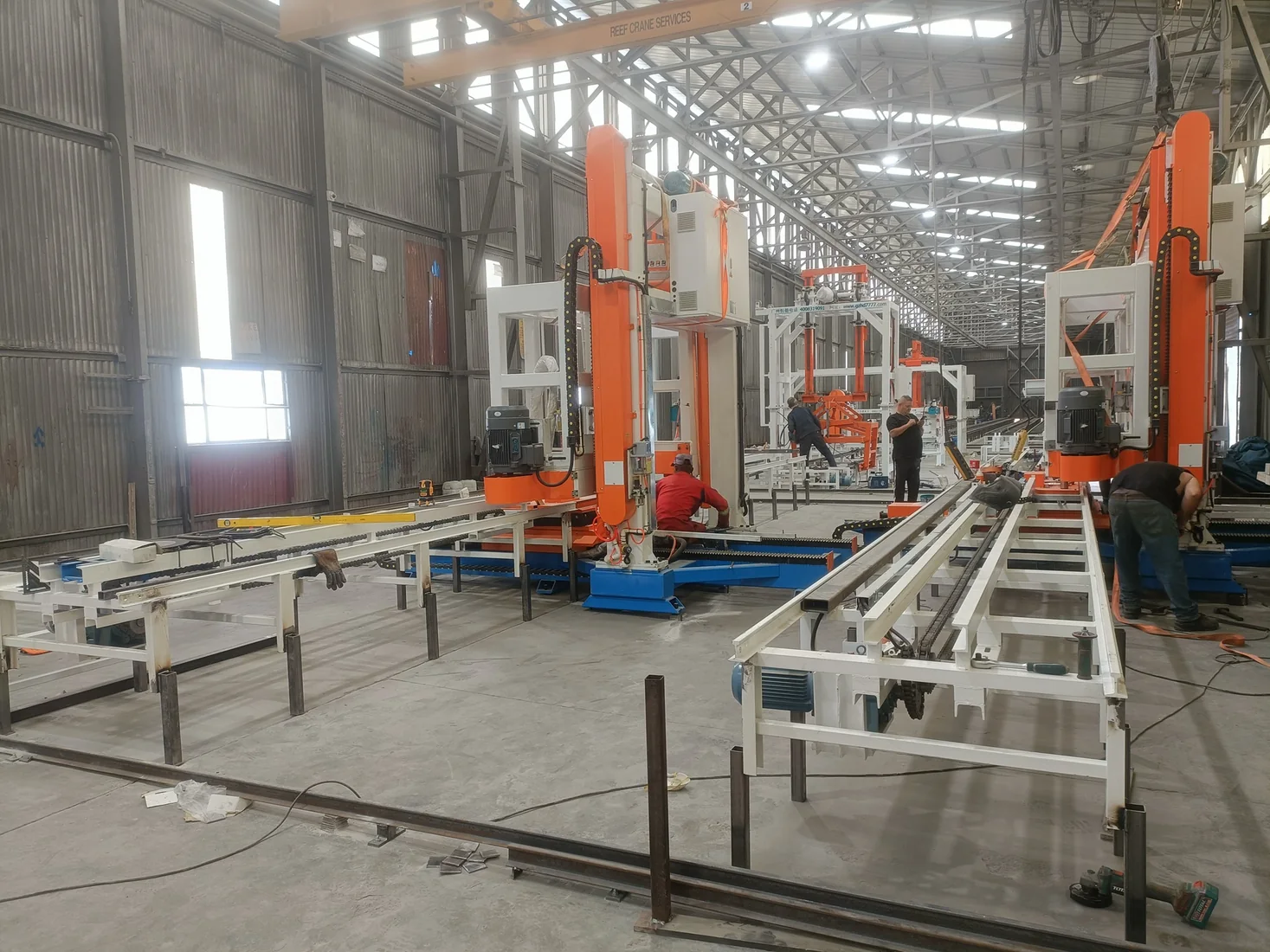
Measure the existing line before selecting equipment
Record a normal production cycle from material receiving to finished-product storage. Use actual timestamps, stoppages, reject records and maintenance history. Note where operators wait, where products queue and which stage controls the line rhythm.
The limiting point may be metering consistency, mixing time, mould availability, green-body condition, cutting, transfer, stacking or an unreliable interface between old and new controls. An upgrade proposal should state the measured problem it is intended to solve.
Five areas where automation may help
- Batching and metering: improve repeatability when manual dosing or inconsistent feeding is creating process variation.
- Cutting: review loading, cutting path, saw condition, unloading and cleaning when dimensions or throughput are inconsistent.
- Transfer and handling: reduce unsafe or irregular movement between moulding, cutting and stacking stages.
- PLC and interlocks: coordinate selected machines while keeping safe manual and maintenance procedures.
- Production records: capture alarms, cycle times and stoppages that help the team diagnose recurring losses.
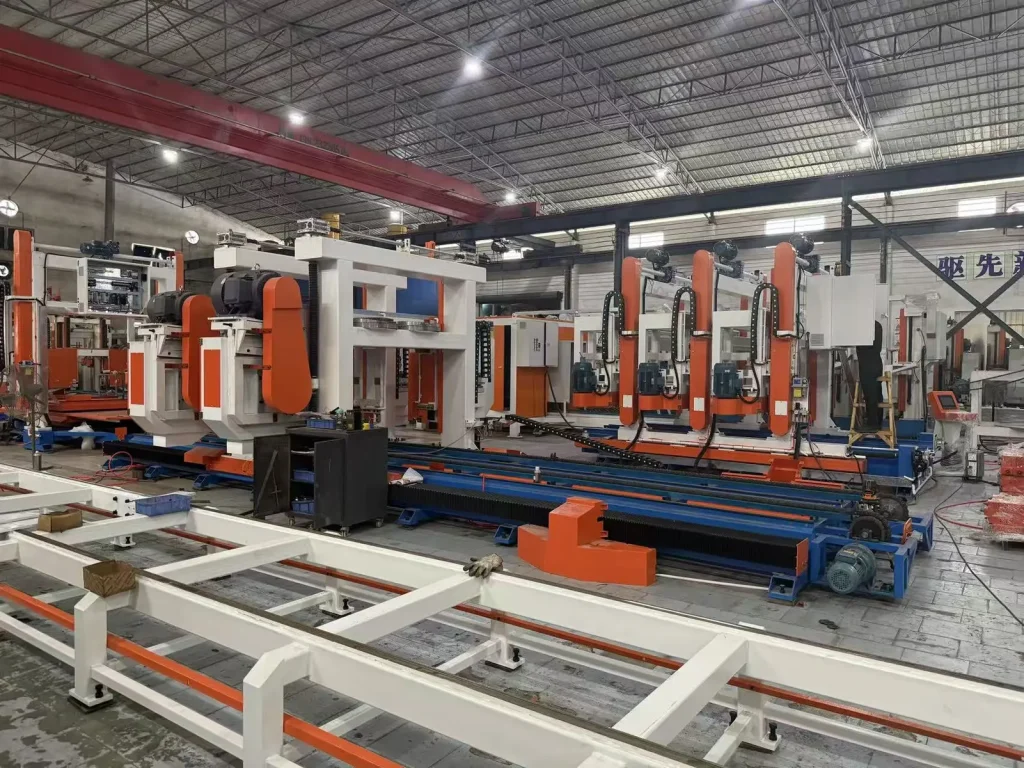
The HENGDE cutting systems and upgrade page is the commercial reference for cutting-line equipment. It should be matched to the existing billet, product dimensions, space and handling sequence rather than treated as a universal bolt-on module.
Check mechanical and control interfaces
Survey machine heights, foundations, transfer directions, lifting access, safety zones, control voltages, sensors and communication interfaces. Confirm which existing equipment will remain and who is responsible for modifying it. A new cutter or conveyor cannot be commissioned properly if the upstream product condition or downstream handling is incompatible.
Plan a controlled installation window and an agreed fallback procedure. Operator training should cover normal operation, changeover, cleaning, fault response and the maintenance tasks that remain manual.
Include power quality in the upgrade diagnosis
South African factory planning should use site-specific electrical information. Eskom’s quality-of-supply guidance notes that power-supply conditions can affect equipment performance and should be considered before equipment is purchased or installations are altered.
Provide the confirmed supply, transformer information, motor-starting conditions, cable distances, measured disturbances and planned backup arrangements to the electrical engineer. Decide which drives, controls and safety circuits need an orderly stop or restart. Do not specify a power solution from national assumptions alone.
Confirm the regulatory and testing path
InvestSA’s One Stop Shop coordinates investor questions involving business approvals, licences, utilities and relevant agencies. SABS develops South African National Standards and provides testing services for building materials, while NRCS regulates products that fall under compulsory specifications.
The project owner must determine which requirements apply to the factory, electrical work and finished product. HENGDE does not certify a South African factory or decide whether a specific block falls within a regulatory route. Confirm the current obligations with the relevant authorities, accredited bodies and qualified local professionals.
Use production evidence as a baseline, not a promise
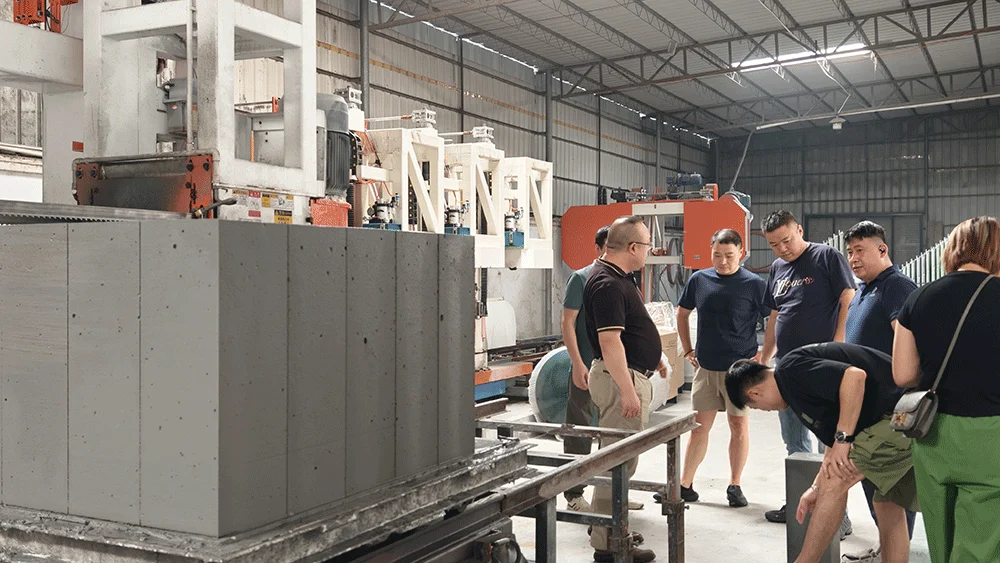
The South Africa foamed-concrete block production record documents a real HENGDE-supplied project after installation and commissioning. The connected production-line image used on this guide is from that South Africa project. It demonstrates a real operating arrangement, but it does not establish the correct upgrade scope for another factory.
HENGDE’s after-sales and line-support service can review maintenance and operating information alongside a proposed equipment change.
Information needed for an existing-line diagnosis
- Current line drawing, equipment list and control architecture.
- Product dimensions, process route and actual qualified output.
- Cycle-time observations, stoppage log and reject records.
- Photos and measurements of all proposed connection points.
- Electrical single-line information and measured supply conditions.
- Available installation window, staffing and maintenance capability.
Frequently asked questions
Should an old line be fully automated at once?
Not necessarily. A phased upgrade may be more practical when the bottleneck is known and the existing equipment is serviceable. Each phase still needs compatible mechanical, electrical and control interfaces.
Can a new cutting system fix inconsistent green bodies?
No. Cutting performance also depends on the material route, mixing, moulding and condition of the green body at the time of cutting.
Does automation guarantee higher output?
No. It can improve selected stages, but qualified output still depends on the complete process, operator practice, maintenance and site conditions.
Official planning references
- InvestSA — approvals, licences, infrastructure and utility facilitation
- South African Bureau of Standards — civil and building-material testing
- Eskom — quality-of-supply guidance for equipment and installations
Request a HENGDE line diagnosis with your current equipment list, layout, output records and site conditions.
Final capacity, process and equipment configuration require project-specific engineering verification.
REAL HENGDE REFERENCE
Equipment, project or engineering evidence
Discuss your production line project with HENGDE.
Share your product, project location, target output and available materials with the HENGDE team.
Discuss Your Project