General Manager’s View: ASEAN’s Sustainable-City Agenda Is Raising the Evidence Bar
At the ASEAN-China Ministerial Roundtable on Construction and Housing on 1 August 2026, the ASEAN Secretary-General highlighted capacity building, city-to-city partnership and innovative financing for sustainable urban projects. The meeting also focused on sustainable cities and quality housing. For lightweight wall-material producers, the important word is not only “sustainable.” It is “evidence.” Public agencies, developers, consultants and financiers increasingly need to see how a material performs, how consistently it can be produced and how the factory will be supported after installation.
At the ASEAN-China Ministerial Roundtable on Construction and Housing on 1 August 2026, the ASEAN Secretary-General highlighted capacity building, city-to-city partnership and innovative financing for sustainable urban projects. The meeting also focused on sustainable cities and quality housing.
For lightweight wall-material producers, the important word is not only “sustainable.” It is “evidence.” Public agencies, developers, consultants and financiers increasingly need to see how a material performs, how consistently it can be produced and how the factory will be supported after installation.
A lightweight claim is only the beginning
A lower-density wall product may reduce handling weight and, in some applications, contribute to thermal or construction-efficiency goals. But a brochure statement cannot establish those outcomes for a specific product.
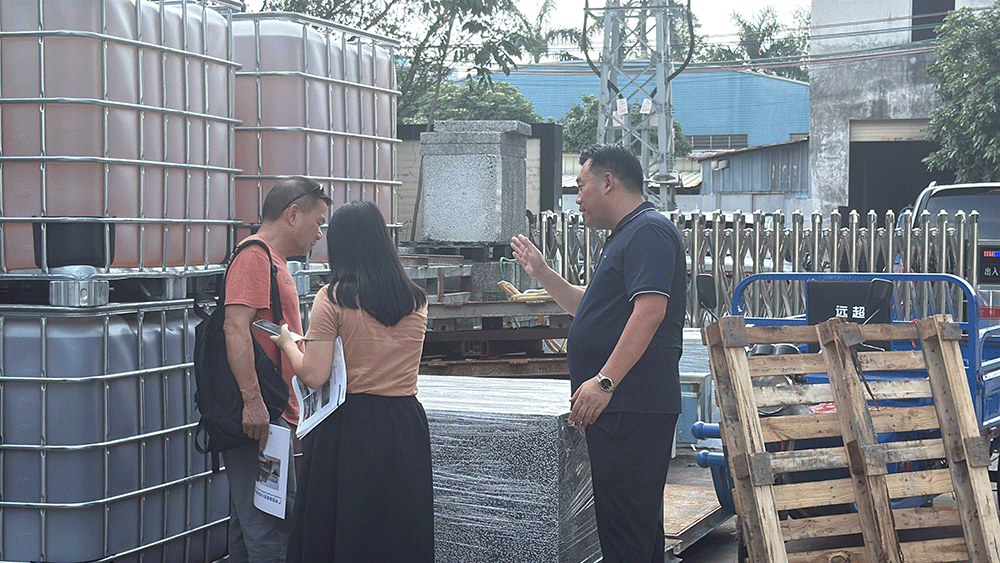
The producer needs test results for the properties required by the target market. Depending on the product and application, that may include density, compressive strength, dimensional tolerance, water absorption, thermal performance, fire-related testing and acoustic performance. The applicable standard and test body must be confirmed locally.
Hengde does not recommend treating one laboratory result as a permanent certificate for every raw material, formulation or block size. The production specification and sampling plan must connect the tested product to routine factory output.
Production records are part of the product story
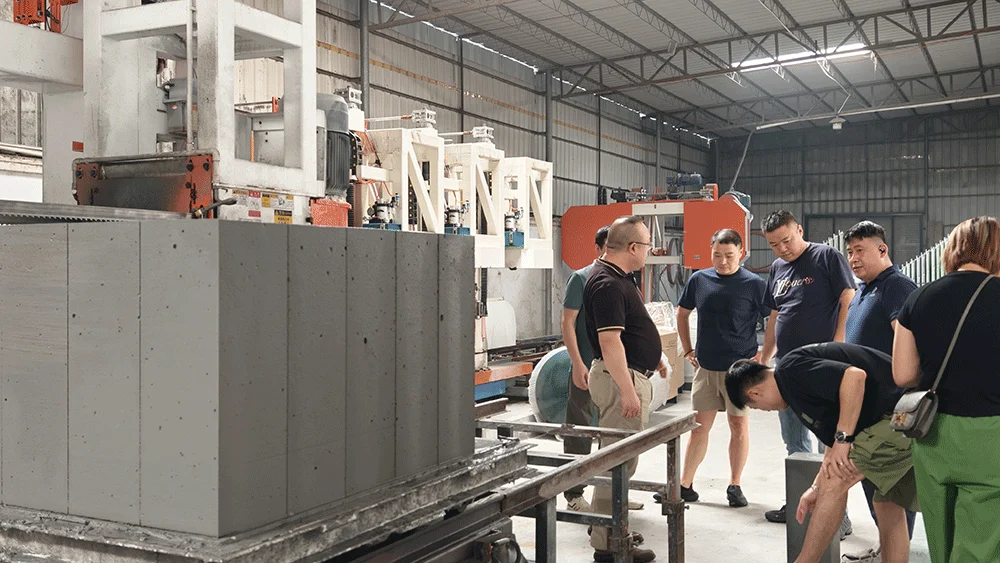
Sustainable construction is also about repeatability and resource control. A factory should be able to explain what went into each batch, how water and foam were controlled, when the material was poured, when it was demoulded and cut, and what checks were completed before release.
That does not require an unnecessarily complicated digital system on the first day. It does require a disciplined record. Basic batch identification, material lot records, wet-density checks, curing time, cutting inspection and nonconformance handling can give a producer a much stronger basis for improvement and customer acceptance.
Project delivery affects sustainability too
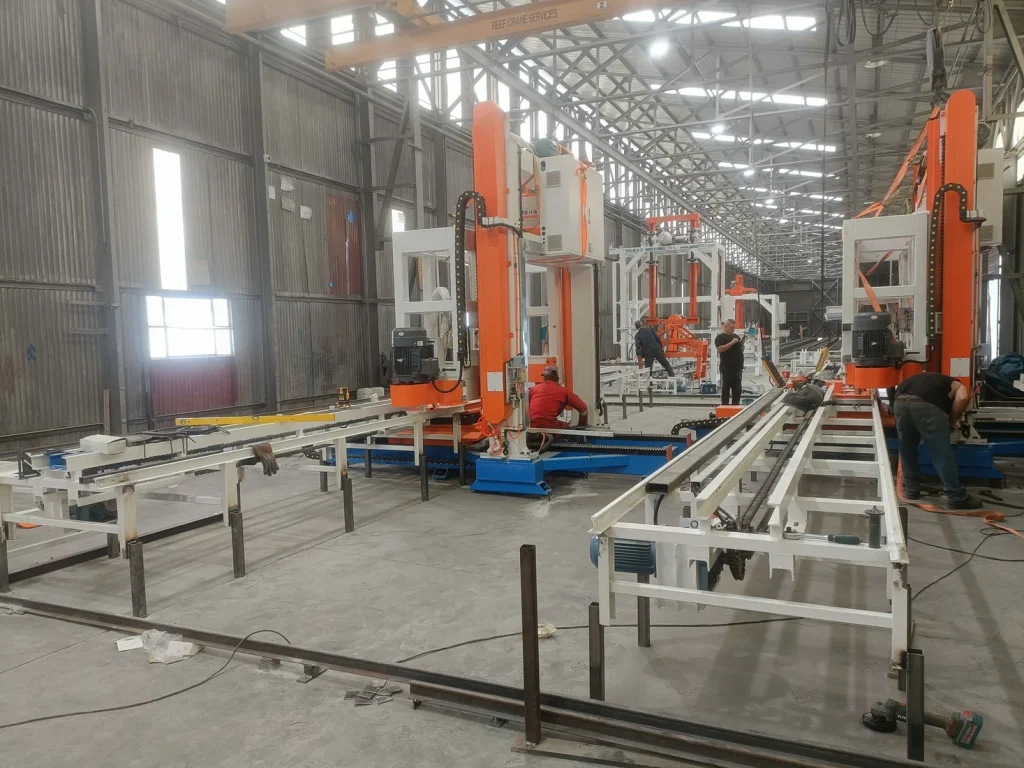
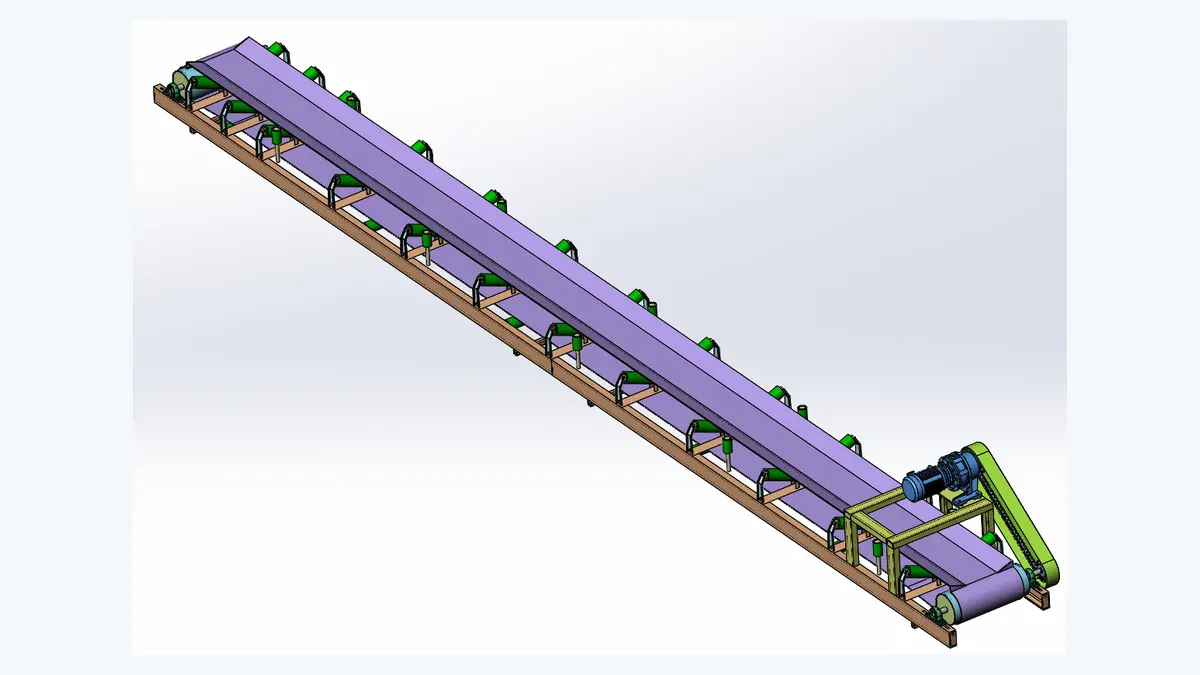
An efficient machine placed in a poorly prepared factory will not deliver efficient production. Layout, material travel distance, safe access, drainage, maintenance space, finished-product handling and local spare-parts planning all affect waste and downtime.
For overseas projects, the delivery model should therefore cover more than equipment manufacturing. Raw-material assessment, plant planning, interface drawings, shipment preparation, installation guidance, commissioning, operator training and after-sales communication form one chain. A gap at any point can undermine the expected performance of the whole line.
The questions investors should ask now
Before describing a project as “green” or “sustainable,” an investor should be able to answer:
- Which product properties will be tested, against which local requirements?
- Which local raw materials have been sampled and evaluated?
- What production data will be recorded for each batch?
- How will rejected or out-of-tolerance material be handled?
- Who is responsible for installation interfaces, commissioning and training?
These questions are more useful than a broad environmental slogan because they lead to decisions that can be checked.
The general manager’s conclusion
ASEAN’s policy direction creates room for better wall-material solutions, but it also raises expectations. The producers most likely to earn long-term trust will be those who connect product claims to tests, connect tests to repeatable production and connect equipment delivery to real operating support.
Hengde’s role is to help structure that chain. Explore the company’s project services or contact the team to discuss the product standard, raw materials and site conditions for your market.
Sources
- ASEAN — Secretary-General’s message at the 2026 construction and housing roundtable
- ASEAN 2045: Our Shared Future
Editorial note: This article interprets policy direction for project planning. It does not claim endorsement, certification or partnership with ASEAN or any government body.
Final capacity, process and equipment configuration require project-specific engineering verification.
REAL HENGDE REFERENCE
Equipment, project or engineering evidence
The real HENGDE media shown in the article Hero is the primary visual reference for this guide. Configuration details remain project-specific.
Discuss your production line project with HENGDE.
Share your product, project location, target output and available materials with the HENGDE team.
Discuss Your Project