Research Insight: Production Method Changes Pore Distribution—and Repeatability
Foamed-concrete performance is often discussed as if it begins with a mix-design table and ends with a density result. Production research shows that the method between those two points matters. A 2025 paper in Infrastructures compared production techniques for high-strength foam concrete and reported meaningful differences in pore-size distribution. The study connected those differences to water absorption, mechanical properties and durability-related behaviour. One technique in the research used cavitation and produced a finer pore structure in that experimental system. That finding should not be turned into a universal equipment claim. Hengde is not stating that every project should use cavitation or that its standard lines…
Foamed-concrete performance is often discussed as if it begins with a mix-design table and ends with a density result. Production research shows that the method between those two points matters.
A 2025 paper in Infrastructures compared production techniques for high-strength foam concrete and reported meaningful differences in pore-size distribution. The study connected those differences to water absorption, mechanical properties and durability-related behaviour. One technique in the research used cavitation and produced a finer pore structure in that experimental system.
That finding should not be turned into a universal equipment claim. Hengde is not stating that every project should use cavitation or that its standard lines reproduce the study. The useful lesson is broader: the way air is generated, introduced and dispersed can change the material even when the ingredient list appears similar.
A recipe does not capture the whole process
Two operators can use the same nominal quantities and still produce different material. Variation can enter through water accuracy, slurry temperature, foam condition, mixing speed, mixing duration, order of addition, waiting time and pumping.
Some variation is visible immediately through collapse, bleeding or an abnormal wet density. Other variation appears only after curing, when blocks are cut or tested. Without a batch record, the team may know that a result changed but not why.
What a practical batch record should capture
A production record should be proportionate to the line, but it should follow the material through the process. Useful fields include:
- raw-material supplier and lot or delivery reference;
- target and actual material quantities;
- water quantity and any correction made for material moisture;
- foam preparation check and measured foam density where applicable;
- start and finish time for slurry mixing and foam incorporation;
- wet density or other agreed fresh-material check;
- mould number, pouring time and relevant ambient conditions;
- demoulding time, cutting observations and sample identification;
- final inspection or laboratory result linked back to the batch.
A PLC can control sequences and collect available signals, but it cannot measure a variable that has no sensor or correct an unsuitable raw material by itself. The operating procedure and human checks remain part of the control system.
Repeatability requires an acceptance window
Production control should define what range is acceptable and what action follows an out-of-range result. If wet density is outside the agreed window, does the batch stop, receive a permitted adjustment or move to a separate trial status? If cutting shows edge collapse, which earlier records are reviewed?
The answer should be written before commercial production. Otherwise, each shift invents its own response and the process becomes difficult to improve.
An acceptance window also prevents the team from chasing one “perfect” laboratory number while ignoring normal factory variation. The goal is not to claim that every pore is identical. It is to maintain the product properties required by the target specification with a process the factory can operate repeatedly.
Use research to design trials, not advertisements
The production-method study helps project teams ask better questions: How stable is the foam before mixing? How does the mixer disperse it? Does pumping alter the structure?
Does a longer mixing time refine the distribution or destroy bubbles? The answers must come from controlled trials with the actual materials and equipment.
Hengde can help define the equipment sequence, batch controls and trial plan as part of a full project—from raw-material review and layout to manufacturing, commissioning and training. See the company’s project services or send your material information for review.
Research source
Research translation note: The cited study compares specific experimental techniques. This article does not claim that Hengde equipment uses cavitation or guarantees the study’s results.
Final capacity, process and equipment configuration require project-specific engineering verification.
REAL HENGDE REFERENCE
Equipment, project or engineering evidence
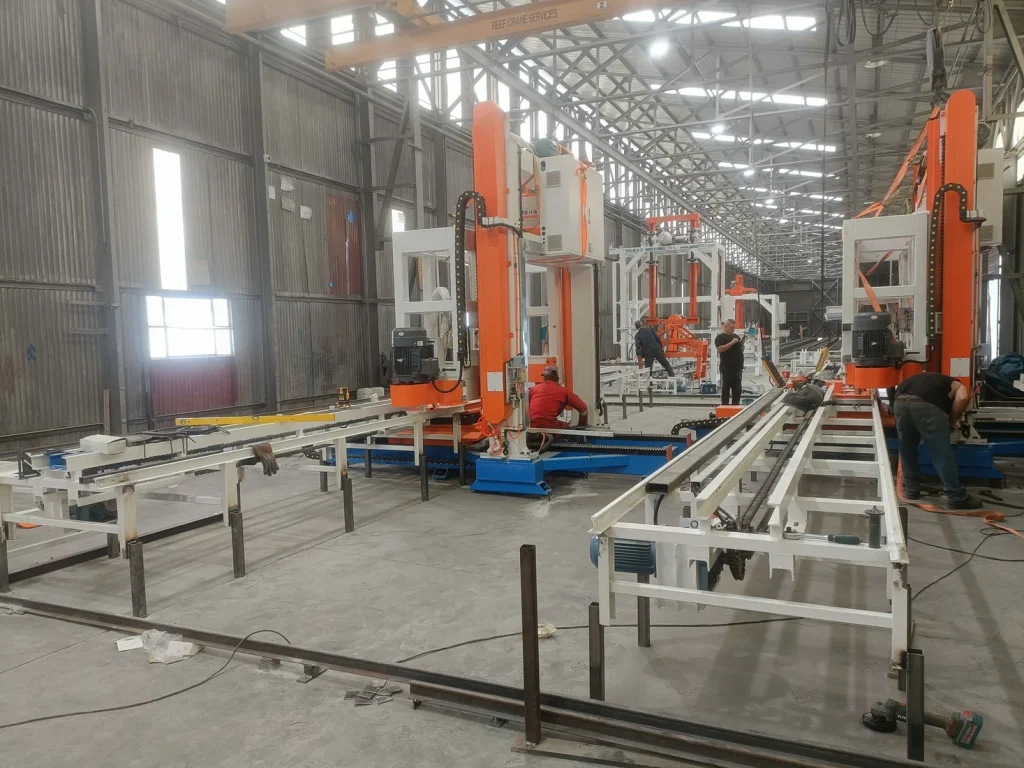
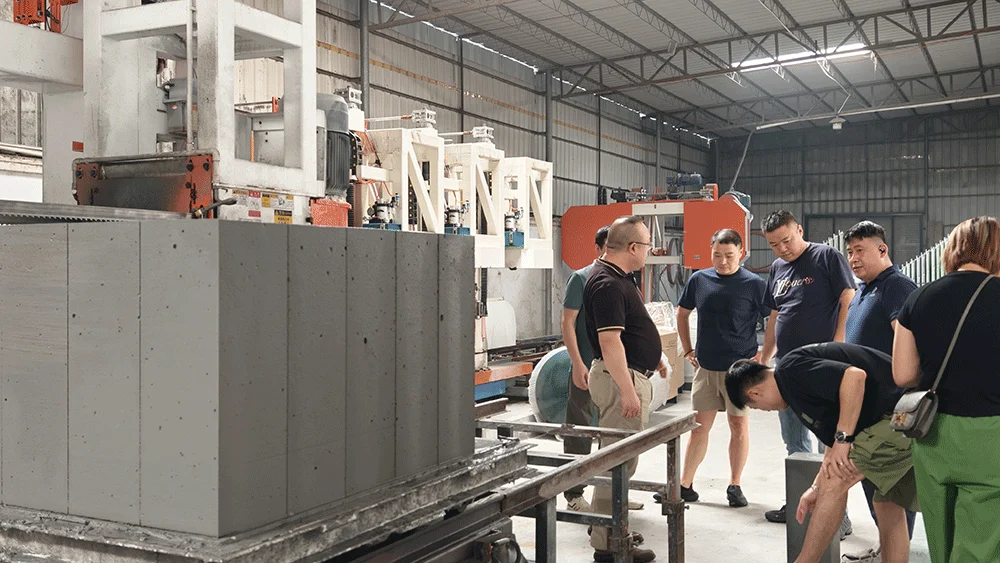
The real HENGDE media shown in the article Hero is the primary visual reference for this guide. Configuration details remain project-specific.
Discuss your production line project with HENGDE.
Share your product, project location, target output and available materials with the HENGDE team.
Discuss Your Project