Research Insight: Mineral Additions Can Help—but Local Trials Must Come First
Fly ash, slag and other supplementary mineral materials are often discussed as ways to change cement use, incorporate locally available resources or improve particular properties of foamed concrete. Research reviews support their potential, but they also document trade-offs. A 2025 review in Open Ceramics reported that supplementary cementitious materials can refine pore structure and densify the matrix in some foamed-concrete systems, with possible strength and durability benefits. The same review noted challenges such as reduced workability or increased brittleness in some conditions. A separate 2025 review of geopolymer foam concrete similarly emphasised that precursor characteristics, foam stability, fibres and curing conditions influence the pore structure…
Fly ash, slag and other supplementary mineral materials are often discussed as ways to change cement use, incorporate locally available resources or improve particular properties of foamed concrete. Research reviews support their potential, but they also document trade-offs.
A 2025 review in Open Ceramics reported that supplementary cementitious materials can refine pore structure and densify the matrix in some foamed-concrete systems, with possible strength and durability benefits. The same review noted challenges such as reduced workability or increased brittleness in some conditions. A separate 2025 review of geopolymer foam concrete similarly emphasised that precursor characteristics, foam stability, fibres and curing conditions influence the pore structure and final performance.
The practical conclusion is not “add more mineral material.” It is “test the local material as part of the whole system.”
The same material name can hide major variation
Two fly ashes can differ in fineness, loss on ignition, chemical composition and water demand. Slag and other powders also vary by source and processing. Storage conditions can add moisture or cause agglomeration.
Those differences can change slurry viscosity, foam stability, setting time, pumping and cutting. A replacement percentage copied from a paper or another factory may therefore produce a different result.
Before process design is frozen, the project should obtain representative samples and record the source. A laboratory certificate is useful, but it does not replace a production-oriented trial with the intended cement, water, foaming agent and curing conditions.
A four-stage trial is easier to control
Hengde recommends separating the work into stages rather than attempting a full production batch first.
1. Characterise the inputs
Record material source, basic chemical or physical data available from the supplier, particle characteristics, moisture and storage condition. Identify which properties need third-party testing.
2. Run small comparative batches
Keep a control mix and change one main variable at a time. Record water demand, mixing behaviour, wet density, stability, setting and the appearance of cured samples. A result that looks good on the first day still needs later strength and durability-related checks required by the product.
3. Move to a pilot mould and cutting check
A laboratory cup does not reproduce pumping distance, mould depth, heat development or cutting. The pilot should test whether the slurry transfers reliably, remains uniform through the mould and reaches a cutting condition within a workable time window.
4. Define the production acceptance window
Once an acceptable result is found, translate it into measurable factory controls: material quantities, water correction, mixing sequence, time limits, wet-density range, demoulding condition and sample plan. Repeat the trial enough times to identify normal variation.
Equipment must support adjustment
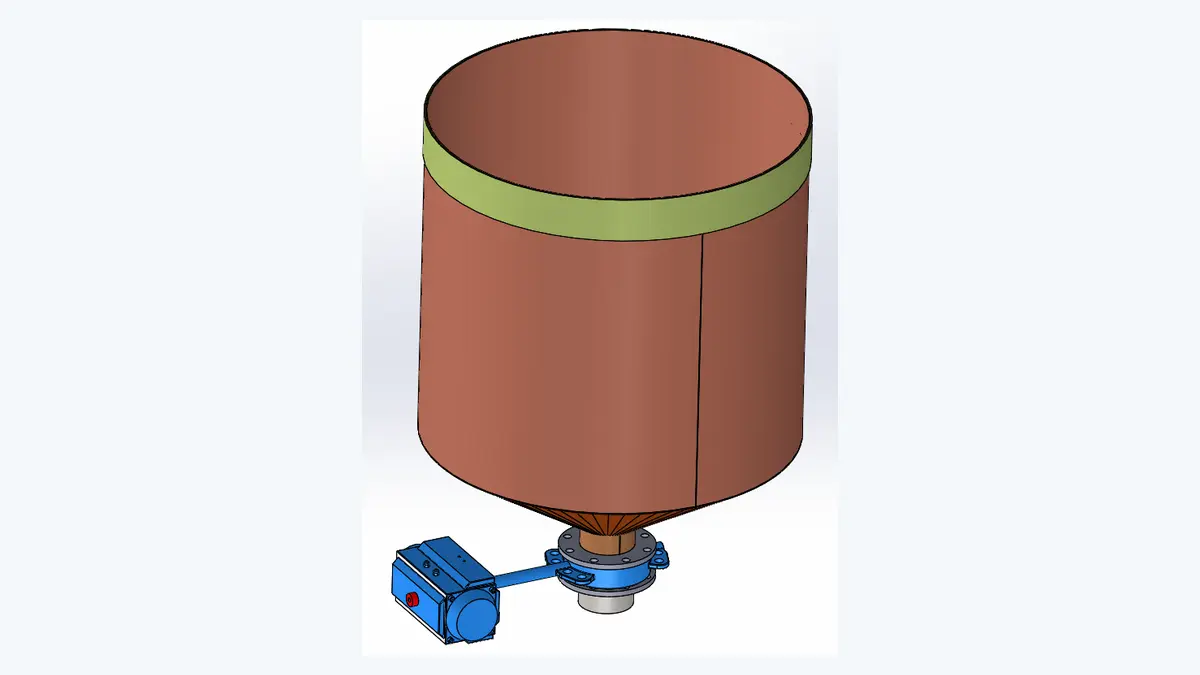
Water metering, mixer capacity, dosing flexibility and slurry transfer all affect the trial. A pump that handles one slurry may struggle when fineness or viscosity changes. The line should provide safe access for sampling and cleaning, and the control logic should allow authorised parameter adjustment within defined limits.
Research is a starting point, not a warranty
The cited reviews help identify mechanisms and possible directions. They do not certify a local waste stream, establish a universal formula or guarantee a finished block’s compliance. Product claims should follow local standards and accredited testing with traceable samples.
Hengde can connect local-material trials to dosing, mixing, moulding, cutting and plant layout. Contact the technical team with the proposed materials, supplier data and target product specification before selecting a final process.
Research sources
- Open Ceramics (2025) — Review of supplementary cementitious materials in foamed concrete
- Discover Concrete and Cement (2025) — Review of pore structure in geopolymer foam concrete
Research translation note: Potential benefits and trade-offs depend on the material system. No formulation in this article is a Hengde production recipe.
Final capacity, process and equipment configuration require project-specific engineering verification.
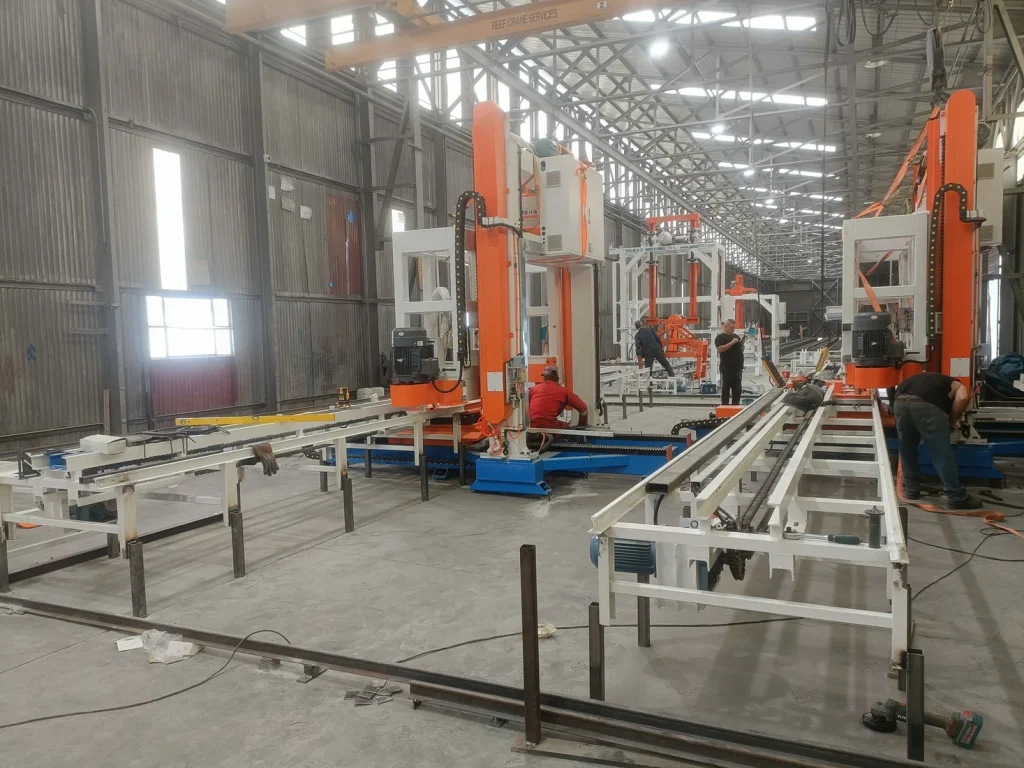
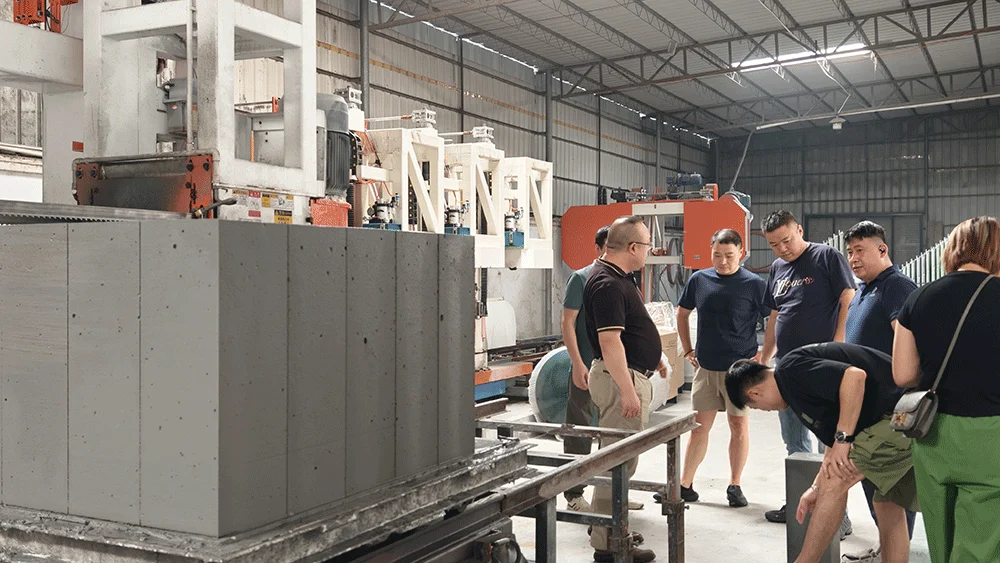
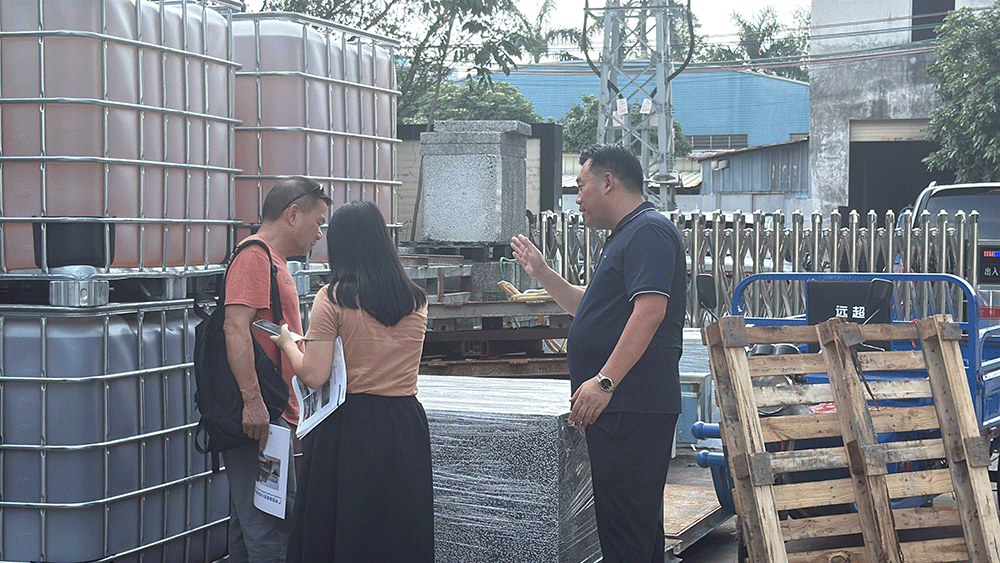
REAL HENGDE REFERENCE
Equipment, project or engineering evidence
The real HENGDE media shown in the article Hero is the primary visual reference for this guide. Configuration details remain project-specific.
Discuss your production line project with HENGDE.
Share your product, project location, target output and available materials with the HENGDE team.
Discuss Your Project