Using Industrial Solid Waste in Lightweight Wall Materials: Practical Raw-Material Routes
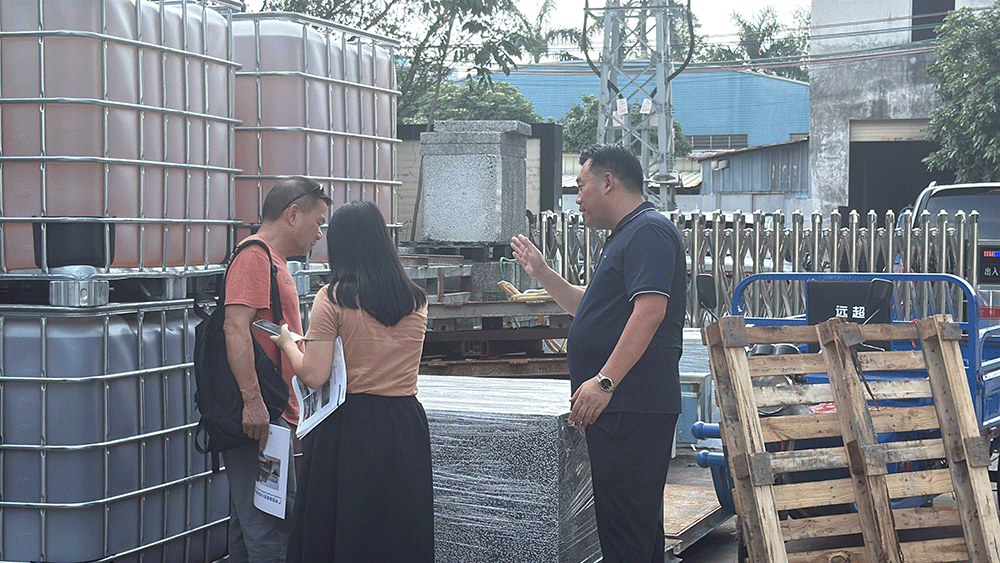
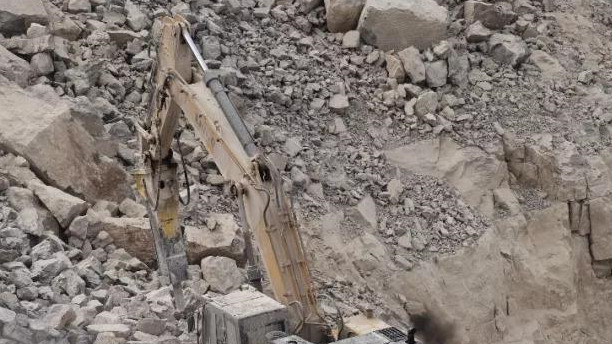
Industrial by-products such as fly ash, slag, stone powder, tailings and selected construction-waste streams can sometimes be used in lightweight wall materials, but only after their chemical composition, particle size, moisture, variability and effect on setting and strength have been reviewed.
Engineering Considerations
The practical question is not whether a waste material can be added to a mix in principle, but whether it can be used consistently in a production process. Binder demand, water demand, foaming stability, curing behaviour, shrinkage and final density all need to be evaluated together.
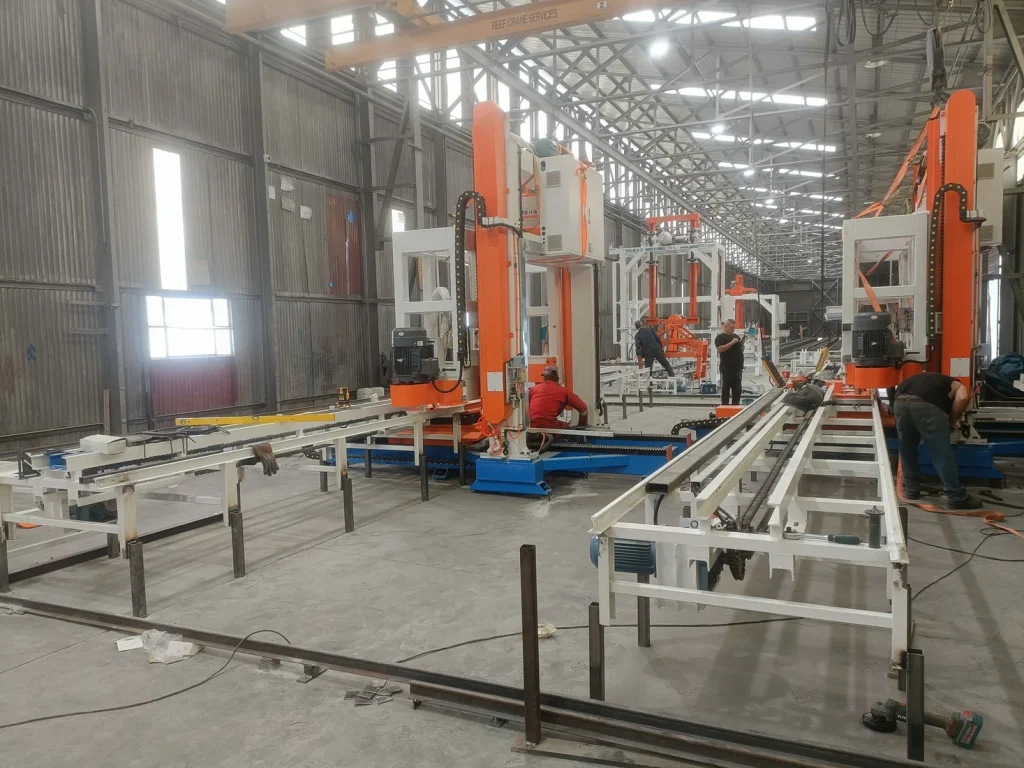
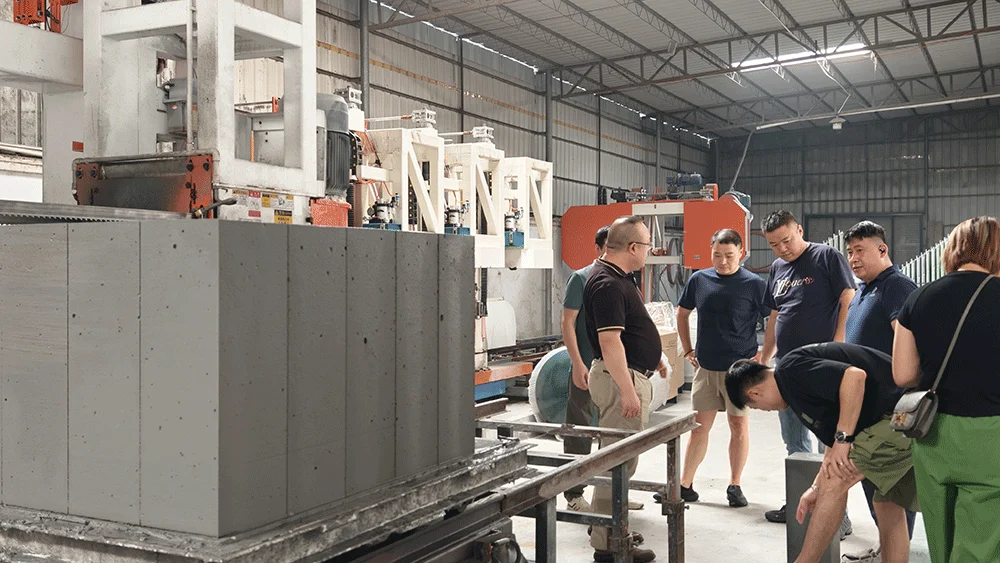
For a new plant, HENGDE recommends starting with representative local samples and defining the target product first. The equipment configuration can then be matched to the required storage, feeding, metering, mixing, foaming or aeration, moulding and cutting stages.
Project Application
Using local industrial by-products can reduce dependence on transported raw materials, but the formulation and equipment should be based on test results rather than a generic recipe.
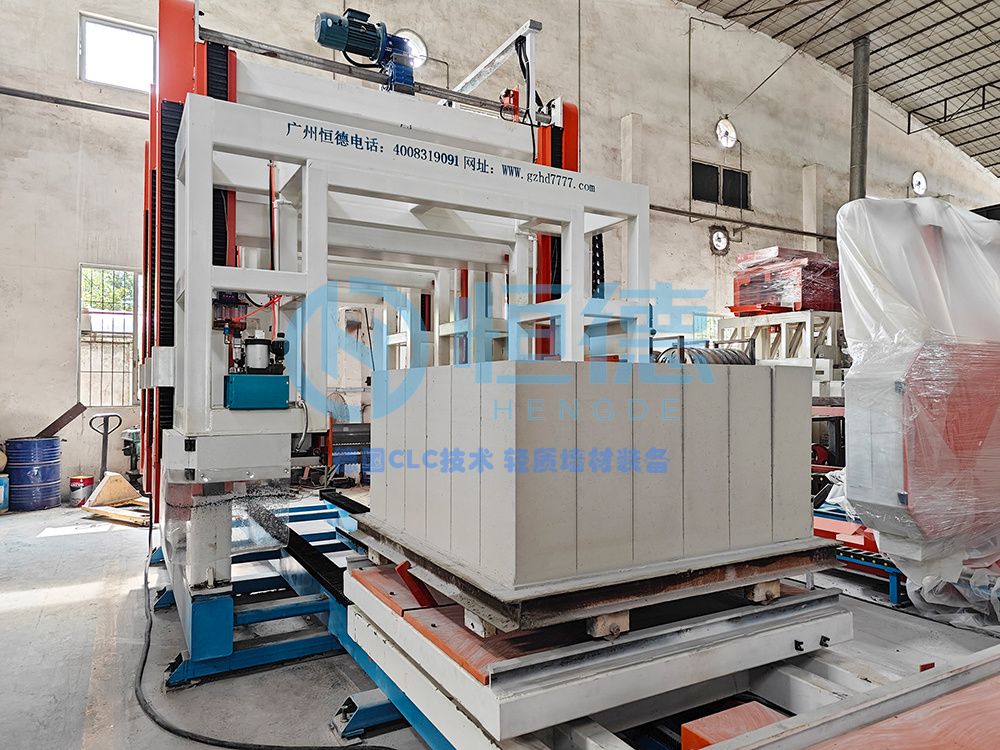
Planning a similar lightweight block or wall-panel project? Tell us your project country, target product and planned output.
Final capacity, process and equipment configuration require project-specific engineering verification.
REAL HENGDE REFERENCE
Equipment, project or engineering evidence