CLC Block Production Line Cost: What Changes the Project Budget?
Searching for a single “CLC block production line cost” can produce a misleading comparison. A production line is not one machine. It is a connected scope covering material preparation, metering, physical foam generation, mixing, mould circulation, curing, cutting, handling, electrical control and project delivery. Two quotations can therefore carry similar capacity labels while including very different equipment, automation and service boundaries. The useful question is not only “What is the price?” but “What factory scope does this price make operational?” The featured image is an AI-generated editorial illustration of production-line scope. It is not a customer-site photograph, equipment promise or final engineering layout. Real HENGDE…
Searching for a single “CLC block production line cost” can produce a misleading comparison. A production line is not one machine. It is a connected scope covering material preparation, metering, physical foam generation, mixing, mould circulation, curing, cutting, handling, electrical control and project delivery.
Two quotations can therefore carry similar capacity labels while including very different equipment, automation and service boundaries. The useful question is not only “What is the price?” but “What factory scope does this price make operational?”
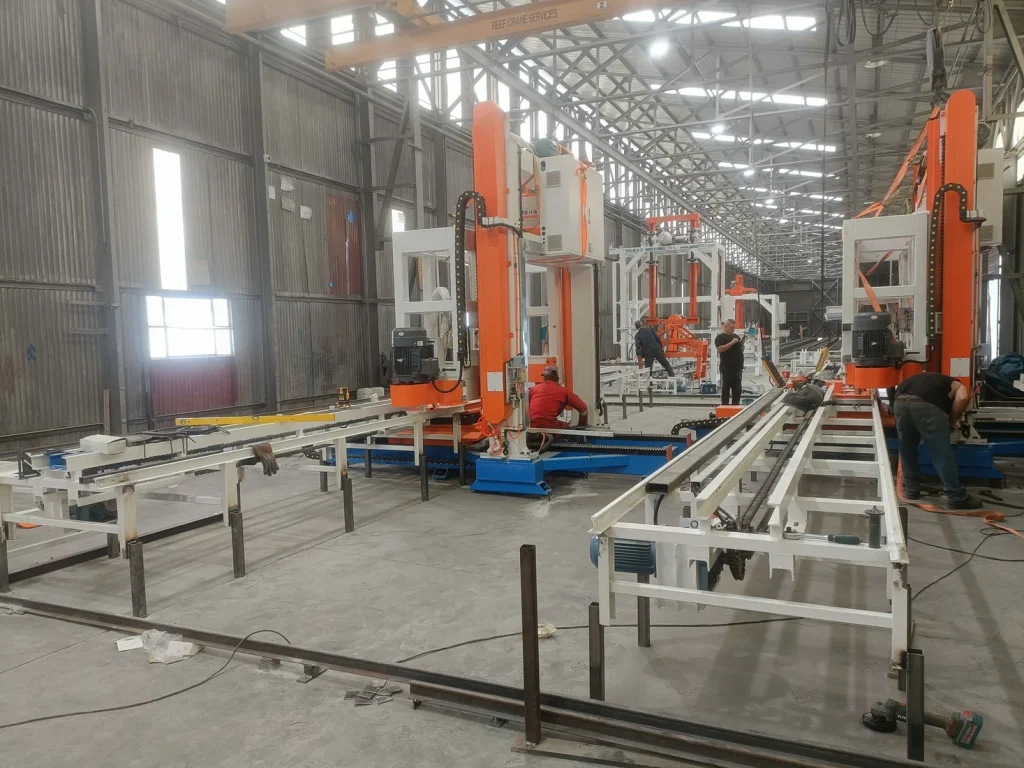
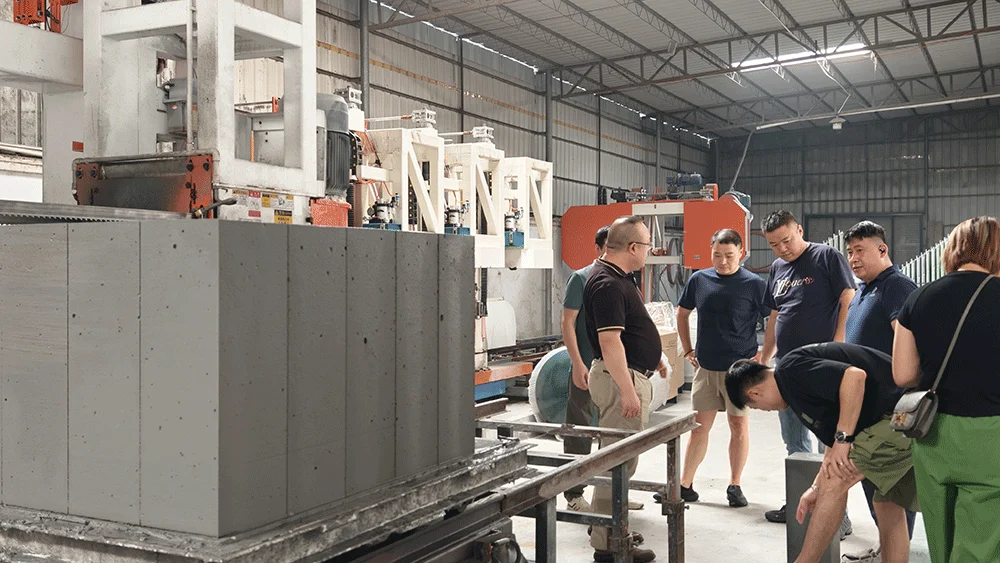
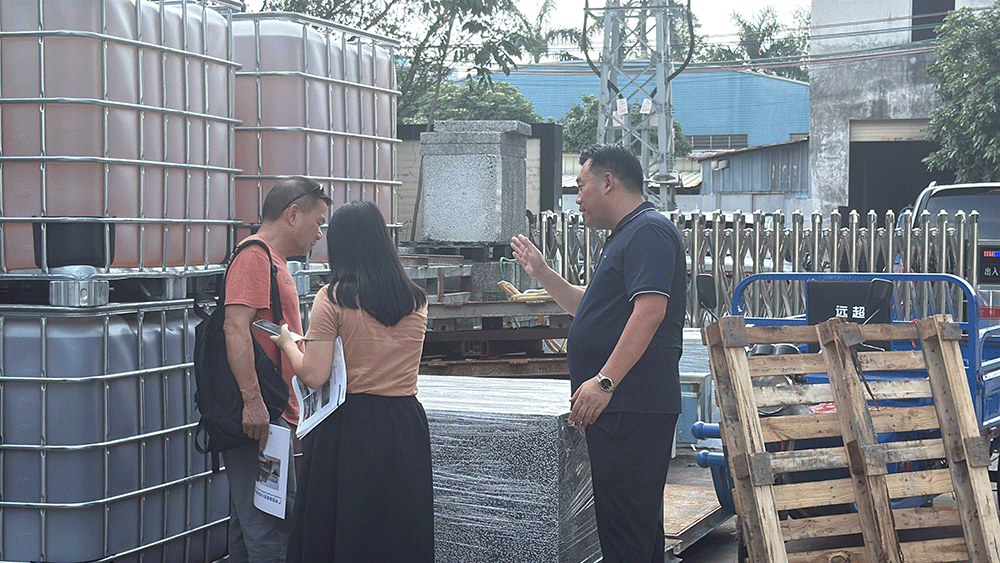
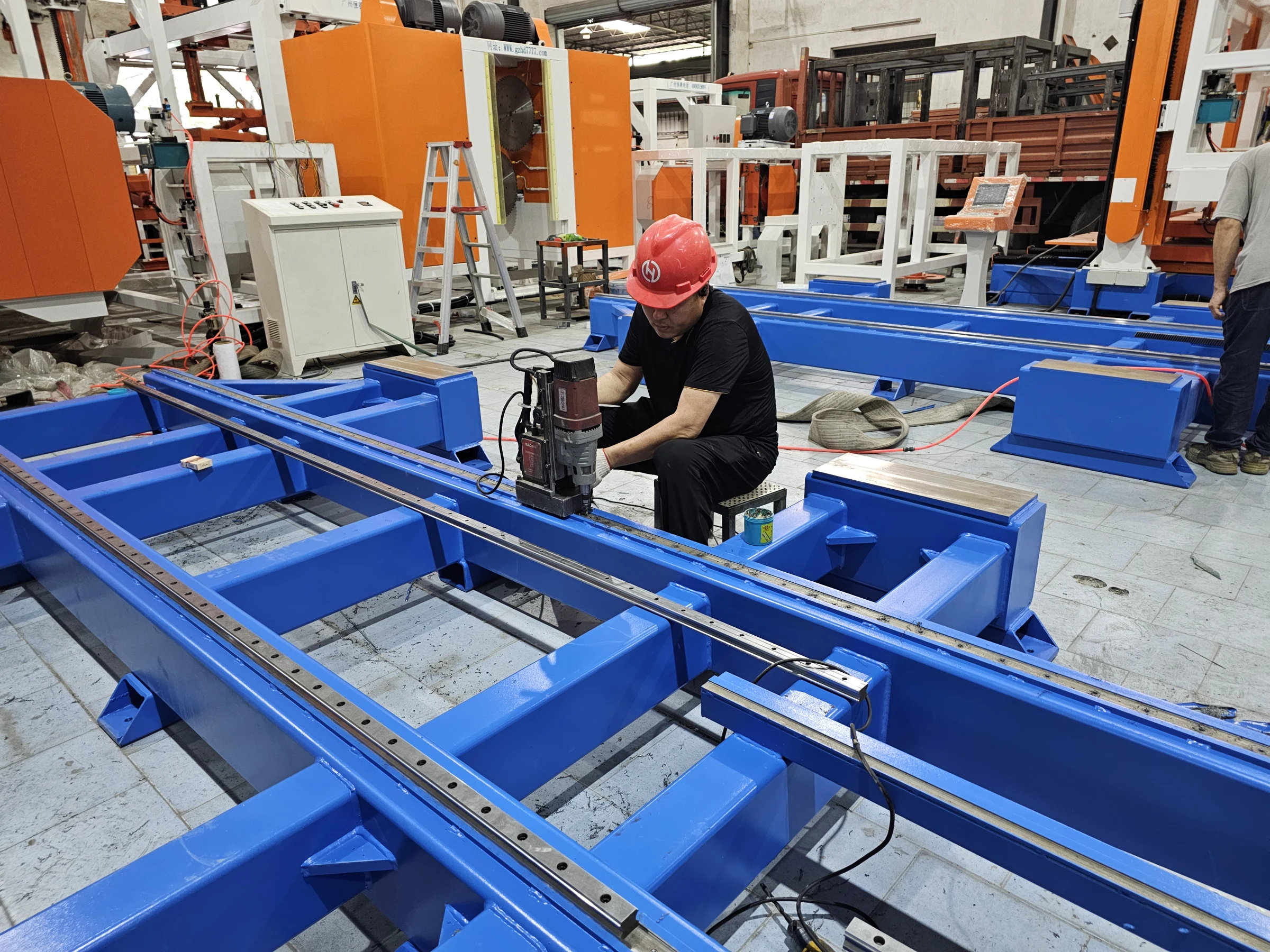
The featured image is an AI-generated editorial illustration of production-line scope. It is not a customer-site photograph, equipment promise or final engineering layout. Real HENGDE equipment photographs are identified below.
1. Product and process route come before the budget
The finished product determines the route. A physical-foaming CLC block production line needs stable foam preparation, controlled mixing, non-autoclaved curing and a cutting or forming method suited to the intended blocks. NAAC chemical aeration, EPS lightweight products and wall panels use different material behaviour and equipment modules.
Density, dimensions, raw materials and the required surface or cutting result also affect the machinery. A supplier cannot responsibly lock the final equipment scope from a capacity number alone. Start with the product specification and local material samples, then confirm which process can repeatedly make that product.
2. Capacity is a connected production rhythm
A daily output label does not describe how the factory reaches that output. Shift length, batch size, mould quantity, curing time, cutting cycle and material-handling speed must work together. Increasing mixer size without enough moulds or cutting capacity simply moves the bottleneck.
This is why HENGDE treats 30, 50, 100, 200 and 300 m³/day pages as reference configurations rather than fixed shopping packages. For example, the 100 m³/day CLC block production line connects feeding, metering, foaming, mixing, mould circulation, cutting and control equipment. A final project still needs its own production rhythm checked.
3. Raw-material preparation and metering change the front end
Cement, sand, fly ash or other approved mineral materials do not arrive in identical condition. Storage, moisture, particle size, delivery method and local handling practices affect the preparation system. A factory receiving bagged powder needs a different practical arrangement from one using bulk silos.
Metering accuracy and correction capability matter because water demand and slurry consistency influence foam stability, pouring and cutting condition. The quotation should state whether it includes screw feeders, belt conveyors, powder hoppers, water metering, slurry transfer and the structures that make those machines accessible.
4. Foaming and mixing should be evaluated as one system
A physical foaming machine does not work in isolation. Air supply, water quality, foaming-agent preparation, foam delivery, mixing sequence and mixer volume must be coordinated. Pump selection also depends on the actual slurry, distance and elevation.
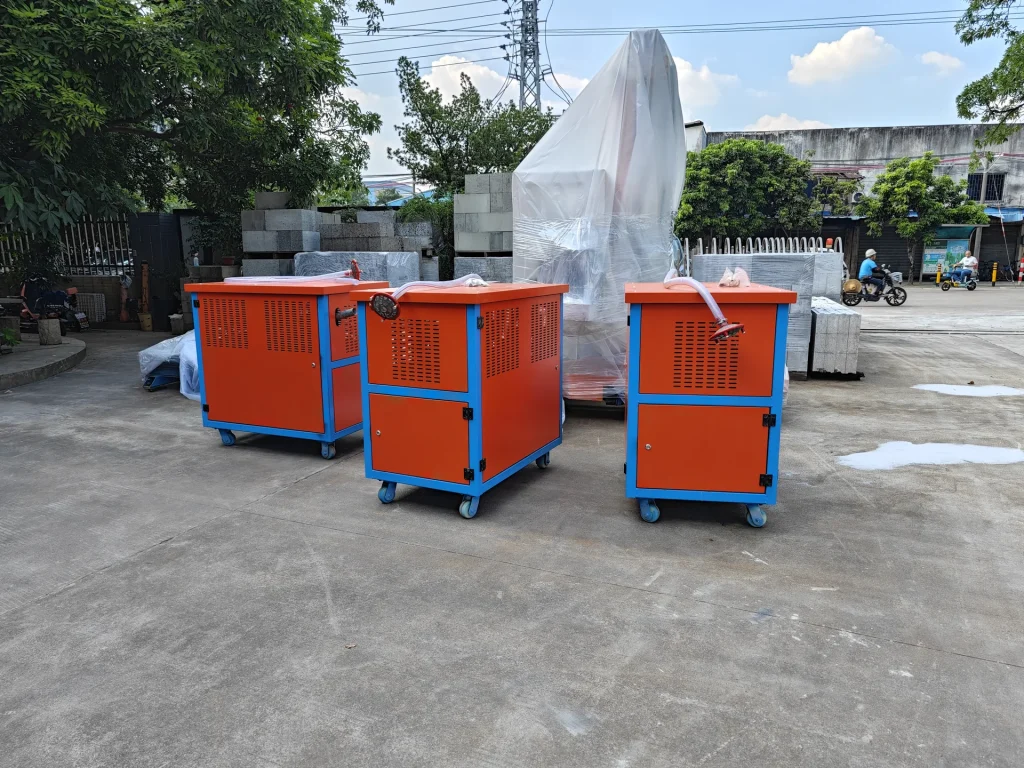
When comparing quotations, confirm whether the compressor, water circuit, mixer, platform, pumps and electrical controls are included. A lower line price can simply mean that important connected equipment has been excluded and left for the buyer to source later.
5. Mould circulation and automation define labour and floor use
Mould quantity and circulation method influence output, labour, factory traffic and civil work. Manual movement can reduce initial automation cost but demands more operators and a safe, workable floor plan. Powered return lines, ferry cars and automatic feeding or discharging increase integration and need coordinated rails, controls and foundations.
Automation should follow the project’s labour conditions and production target. The most expensive option is not automatically the best, and the cheapest option may create recurring handling delays. A practical quotation explains which movements are manual, assisted or automatic.
6. Cutting scope has a major effect on line value
Cutting equipment affects dimensions, kerf, product appearance, handling and the speed at which a cured body can move through the factory. The machine must match product size, green-body condition and the required cutting direction. Peeling, vertical cutting, horizontal cutting and downstream transfer should be considered as a sequence.
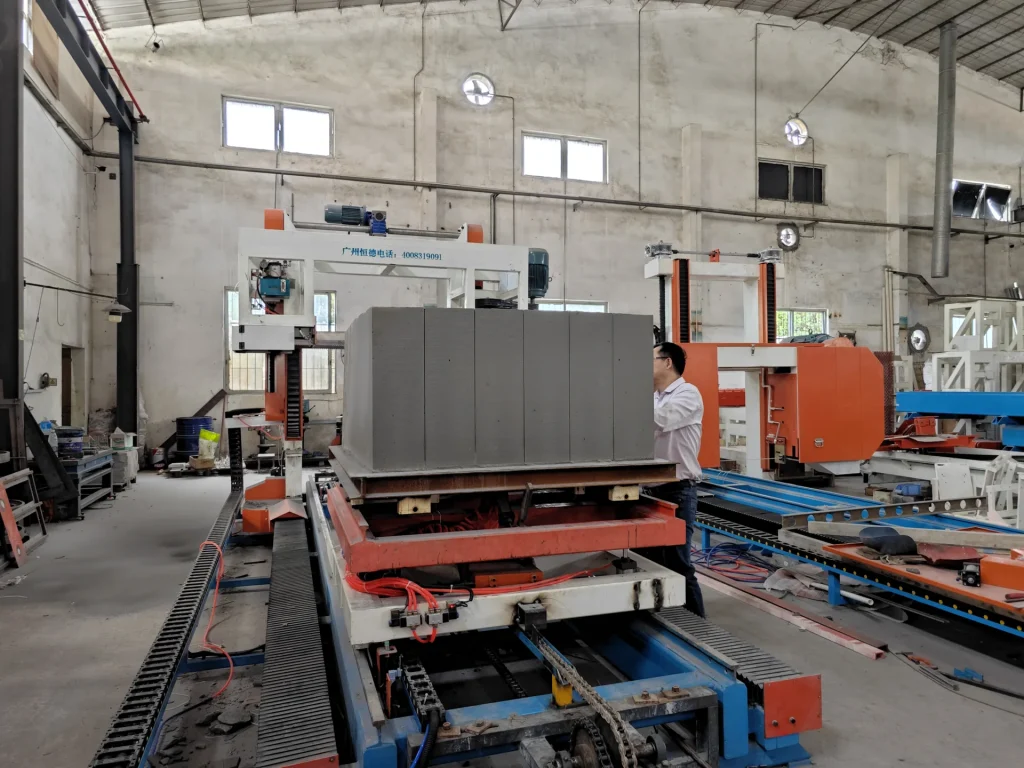
A quotation should identify the cutting machine, supporting transfer system, safety guarding, tooling and electrical scope. If a project is upgrading an existing line, HENGDE first checks how the new cutting system will connect to the current moulds, rails and material flow. See the cutting and finishing equipment section for the available equipment families.
7. Factory conditions and utilities sit outside many machine prices
Land, workshop, foundations, drainage, electrical distribution, water storage, compressed air and lifting access can be substantial project costs even when they are not part of the equipment supply. Their requirements depend on the line layout and local regulations.
Before comparing total investment, separate the equipment price from the civil, utility and local procurement scope. HENGDE’s capacity and layout planning process connects machine positions with material routes, mould circulation, maintenance access and future expansion.
8. Freight, installation and commissioning must have clear boundaries
Export packing, container loading, inland transport, ocean freight, customs, unloading, installation supervision, commissioning, operator training and spare parts are different commercial items. Their inclusion varies by quotation and destination.
A reliable comparison states who handles each stage, what the customer must prepare before engineers arrive and which tests define equipment acceptance. It should also state whether travel, accommodation, local lifting equipment and production materials are included or supplied by the customer.
Use one comparison sheet for every supplier
To compare CLC block production line cost fairly, place each quotation against the same headings:
- target product, density range and block dimensions;
- daily output basis and shift assumption;
- raw-material receiving and preparation;
- metering, foaming, mixing and slurry transfer;
- mould quantity, circulation and curing method;
- cutting, handling and stacking scope;
- PLC, electrical cabinets, cabling and safety devices;
- factory utilities and civil-work responsibilities;
- packing, freight, installation, training and spare parts.
This turns a headline price into an engineering comparison and exposes missing scope before a contract is signed.
Information HENGDE needs for an initial budget review
Send the project country, target product, planned daily output, available raw materials, preferred automation level and any existing workshop drawings. Photographs of the intended factory and material-storage area are also useful.
Review the HENGDE equipment catalogue and real project cases, then request a production-line proposal. The initial response can then explain the recommended scope instead of presenting an unsupported one-number price.
Final capacity, process and equipment configuration require project-specific engineering verification.
REAL HENGDE REFERENCE
Equipment, project or engineering evidence
Discuss your production line project with HENGDE.
Share your product, project location, target output and available materials with the HENGDE team.
Discuss Your Project