CLC vs NAAC Block Production Line: What Is the Difference?
CLC and NAAC are often discussed together because both are used to make lightweight blocks, but their production routes are not interchangeable. In the HENGDE production-line descriptions, CLC uses physical foaming, while NAAC uses chemical aeration without autoclaving. Choosing between them requires more than comparing photographs of finished blocks. Local materials, product requirements, the behaviour of the mix, curing conditions and the proposed equipment all matter. This guide explains the process distinction and the questions to ask before selecting a route. Neither process is automatically the better choice for every factory.
PROCESS COMPARISON
CLC vs NAAC Comparison Table
| Decision point | CLC | NAAC |
|---|---|---|
| Cellular structure | Physical foam is produced mechanically and combined with the cementitious mix. | An aerating reaction develops gas within the mix. |
| Control focus | Foam quality, mixing sequence and foam distribution. | Material compatibility, dosing, expansion and setting conditions. |
| Selection rule | Confirm local materials, product requirements, curing conditions and the complete equipment proposal. Neither route is universally better. | |
01
How CLC Forms the Cellular Structure
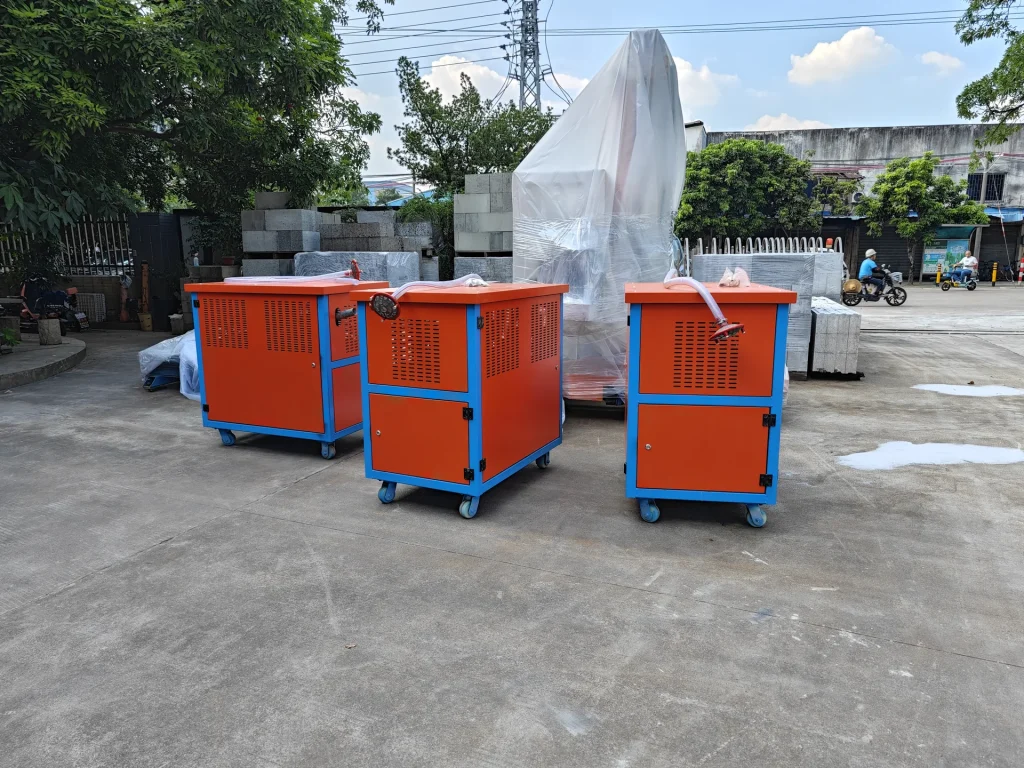
CLC: foam is produced mechanically and combined with the cementitious mix. The foaming equipment, foam quality, mixing sequence and distribution of foam must work together.
02
How NAAC Forms the Cellular Structure
NAAC: an aerating reaction develops gas within the mix. Material compatibility, dosing, mixing and the conditions during expansion and setting need to be established for the chosen formulation.
NAAC should not be described as a physical-foaming process. Equally, a foam generator alone does not define every part of a complete CLC plant.
03
Equipment Differences
| System area | What must be confirmed |
|---|---|
| Mixing | Mixing: establish sequence, dosing and control for the relevant route. |
| Moulding | Moulding: match the mould and filling procedure to the behaviour of the mix. |
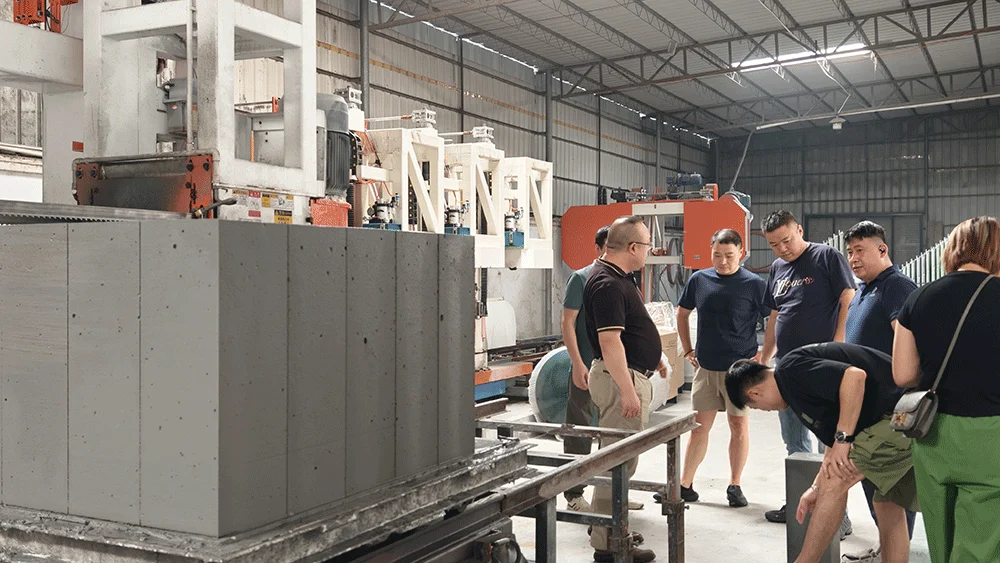
| Cutting | Cutting: assess the green body's condition and the required product sizes, not just cutter dimensions. |
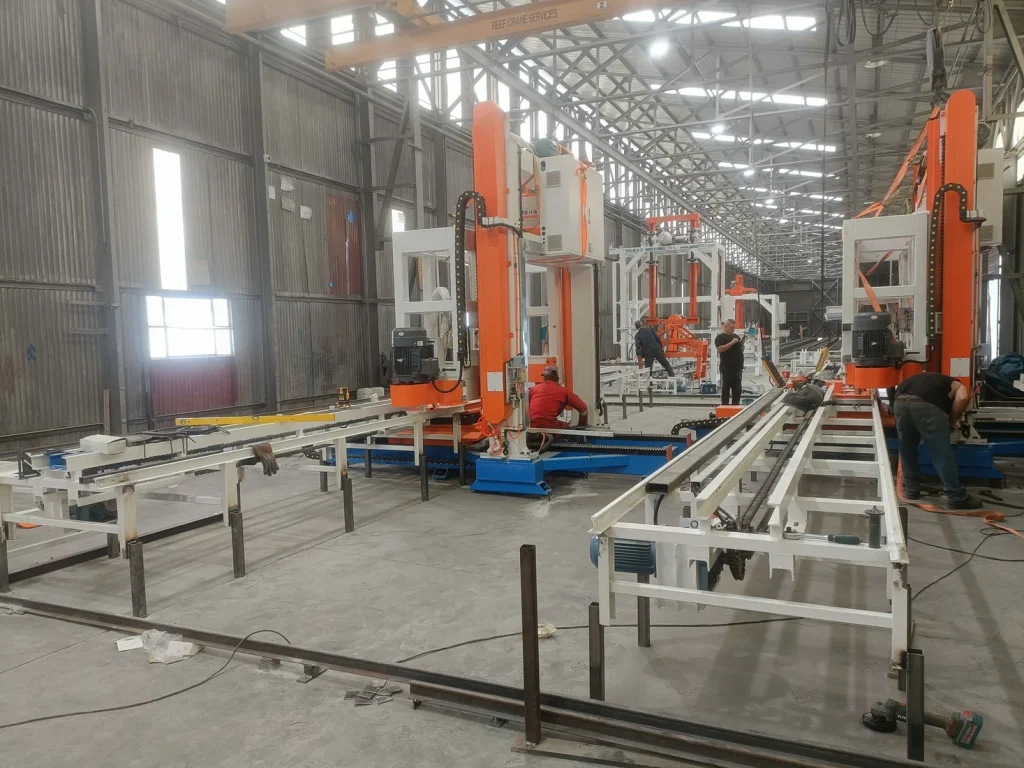
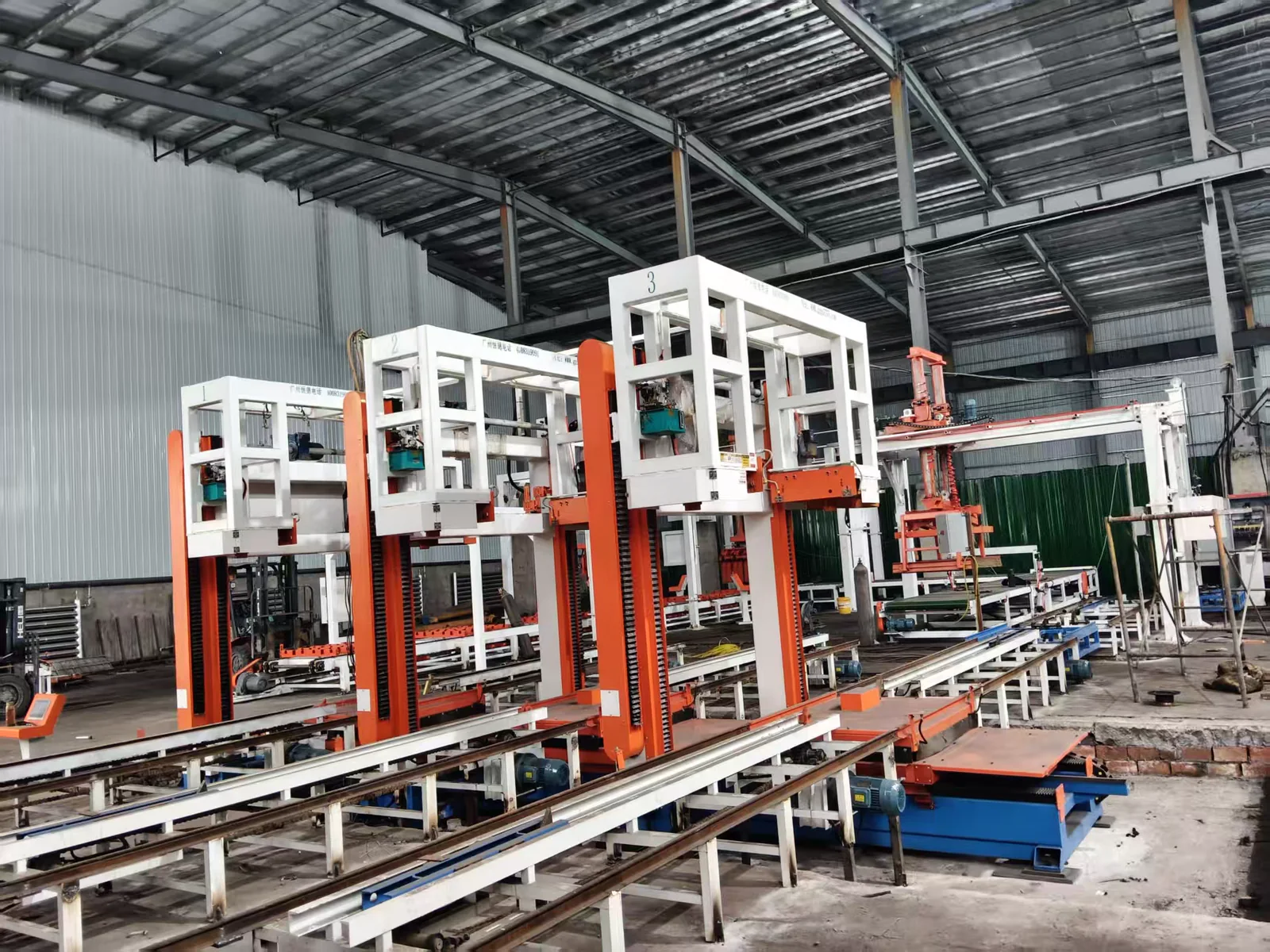
| Equipment | Equipment: check the foaming or aeration module, metering, mould circulation and controls as one configuration. |
04
Raw Materials
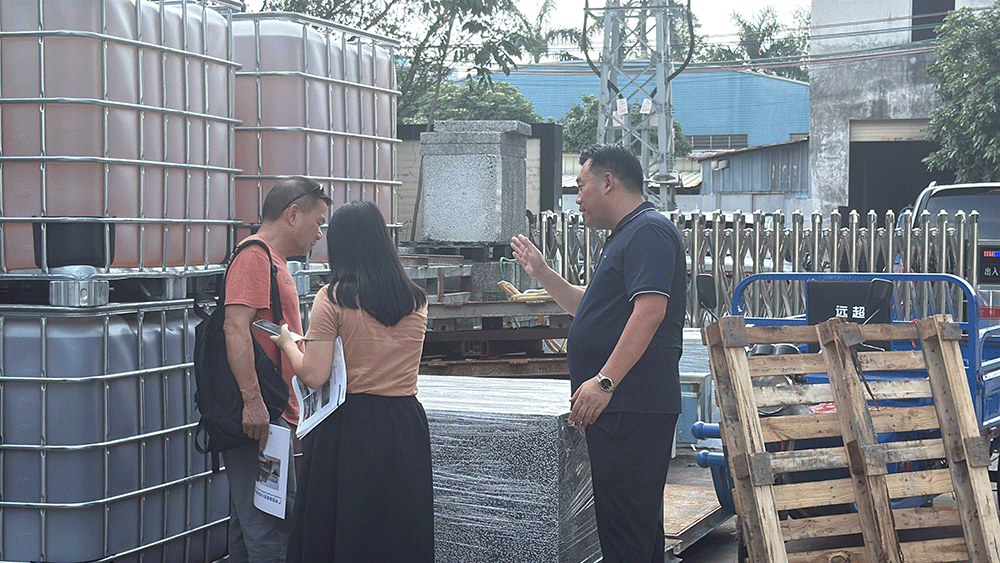
- Raw materials: trial the actual proposed supply against the selected formulation.
05
Curing & Production Rhythm
- Curing: define the conditions needed before demoulding, cutting and later handling.
06
Which Route Fits a Project?
Write down the intended application and the required product performance first. Develop and compare trial routes using the local material supply. Then consider factory space, operating conditions and the production sequence. There is no universal curing time, strength or density that can be promised from the process name alone.
Use the block production-line overview to compare the routes, including the NAAC chemical-aeration production line. For a physical-foaming example, review the 100 m³/day CLC line and its linked foaming and mixing equipment.
Avoid copying a formula between routes, describing every non-autoclaved block as CLC or selecting a line solely by its nominal capacity. Do not apply performance figures from a different material or project without testing.
07
Information HENGDE Needs
Send your project location, intended block application, sizes, target output and available materials. Our raw-material testing service helps establish a suitable process. The Jaiyl NAAC block project is a related project reference; its configuration should not be assumed suitable for every local mix.
Frequently asked questions
Can one line produce both CLC and NAAC?
Some equipment may be shared, but route-specific dosing, process modules and controls must be reviewed. Do not assume a change is simply a formula swap.
Which route costs less?
The answer depends on local materials, preparation, equipment scope, output requirements and operating conditions. Compare complete project proposals.
Final capacity, process and equipment configuration require project-specific engineering verification.
Discuss your production line project with HENGDE.
Share your product, project location, target output and available materials with the HENGDE team.
Discuss Your Project