
Start with representative samples
Review locally available materials against the target product before production equipment is selected.
Recycled or variable inputs require source-specific testing and trial production.
SMALL & MEDIUM FACTORIES FIRST
Start with the small and medium configurations most suitable for staged investment, then compare higher-output project references when the market, materials and factory plan support them.

TWO PRODUCT FAMILIES
The final equipment configuration follows the product family, planned output, raw materials, process and factory conditions.
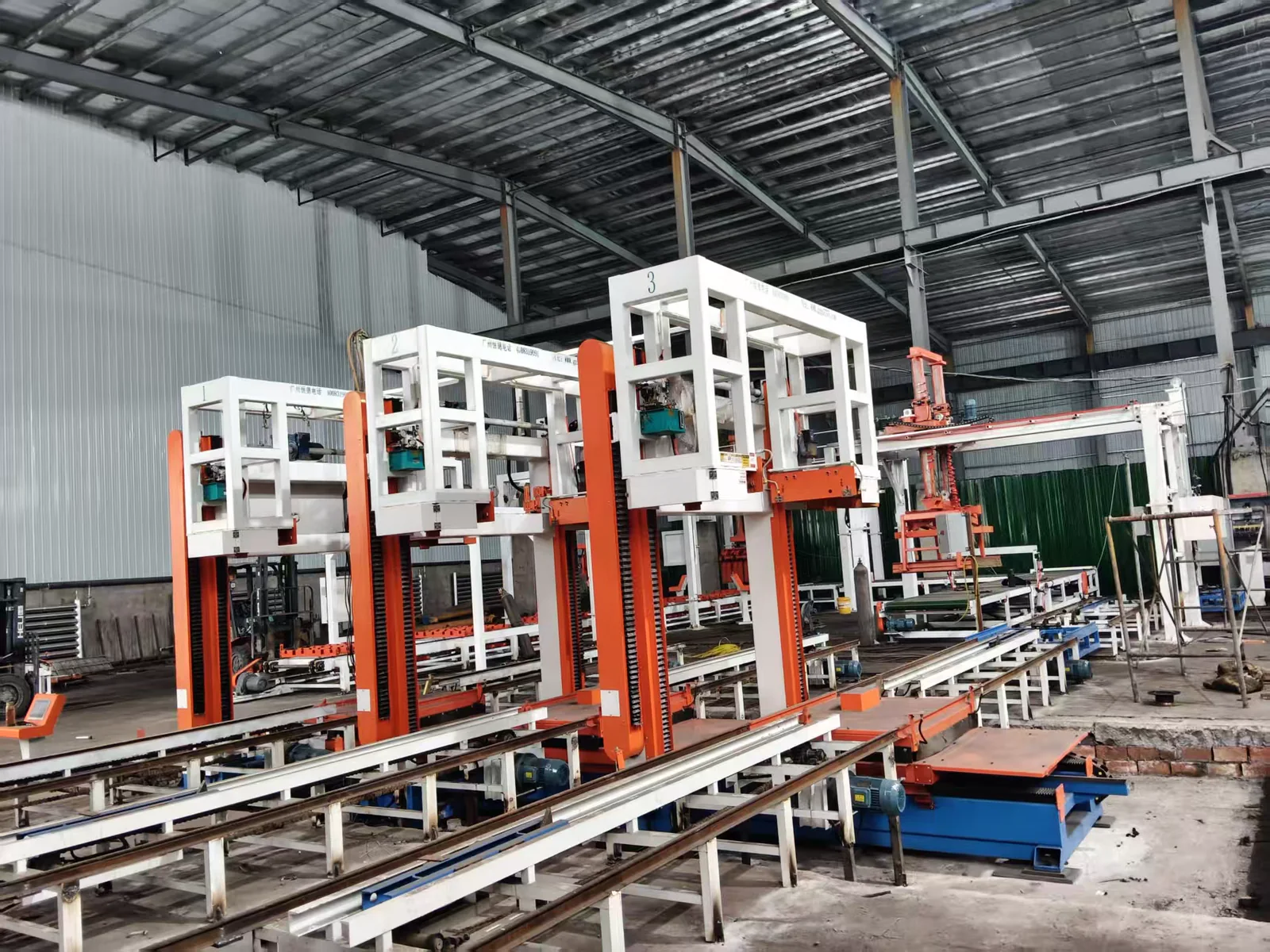 REAL PROJECT EQUIPMENT
 Compatible-product review can include CLC blocks, NAAC blocks, foam concrete blocks, EPS self-insulating blocks, ceramsite lightweight blocks and other verified lightweight block products.
View Lightweight Block Production Lines → LIGHTWEIGHT WALL PANEL PRODUCTION LINES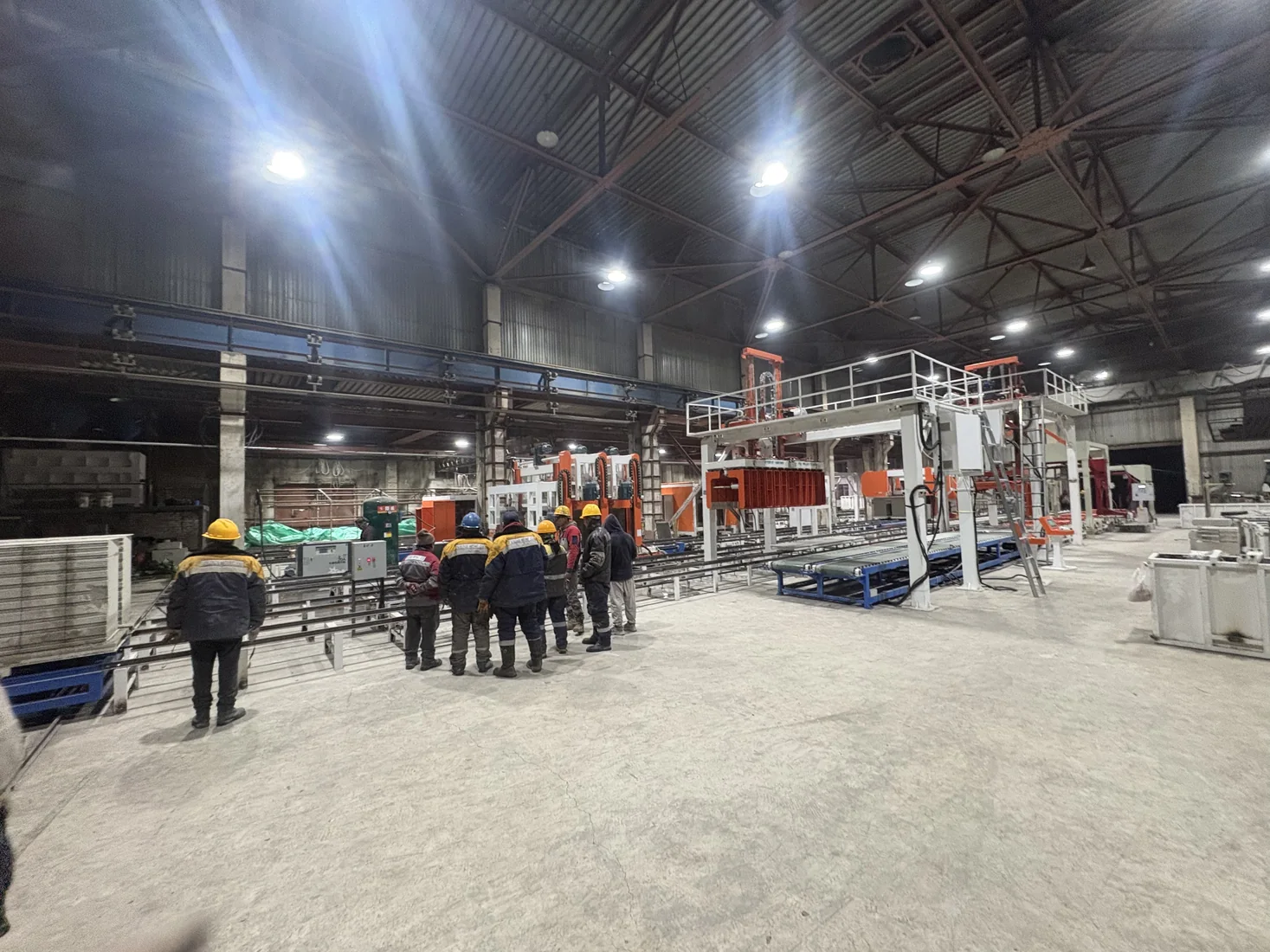 REAL PROJECT EQUIPMENT
 Product review can include verified CLC, EPS, ceramsite and composite wall-panel directions. Reinforcement, facing, moulding, cutting and handling remain project-specific.
View Wall Panel Production Lines →SMALL & MEDIUM LINES FIRST
Small and medium configurations are listed first. Every existing higher-output URL remains available as a secondary project reference.
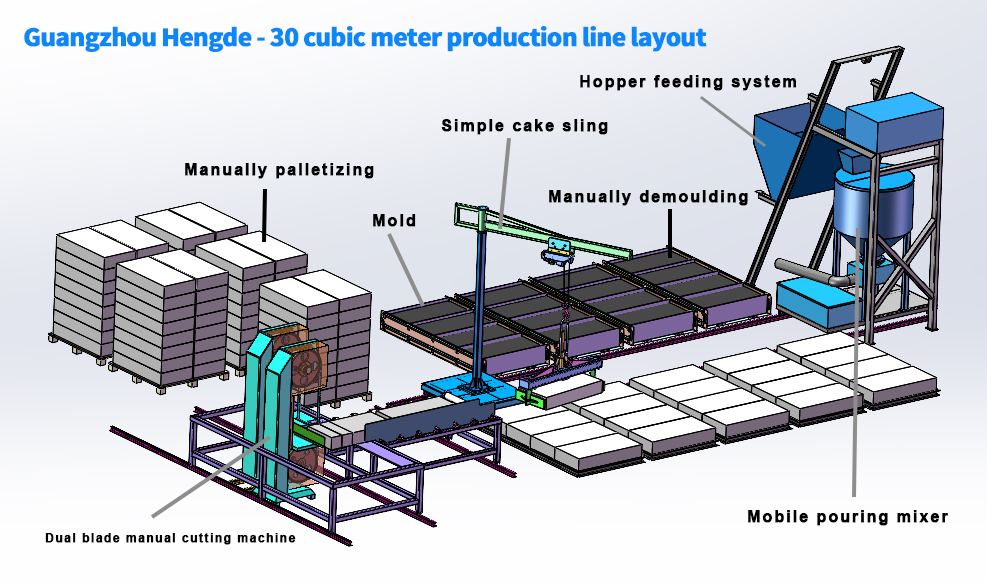 ENGINEERING LAYOUT
 3.75 m³/hour planning reference · 8 equipment rows · Physical foaming · Non-autoclaved
Open layout and equipment table → SMALL / MEDIUM PRIORITY · BLOCK · 50 m³/day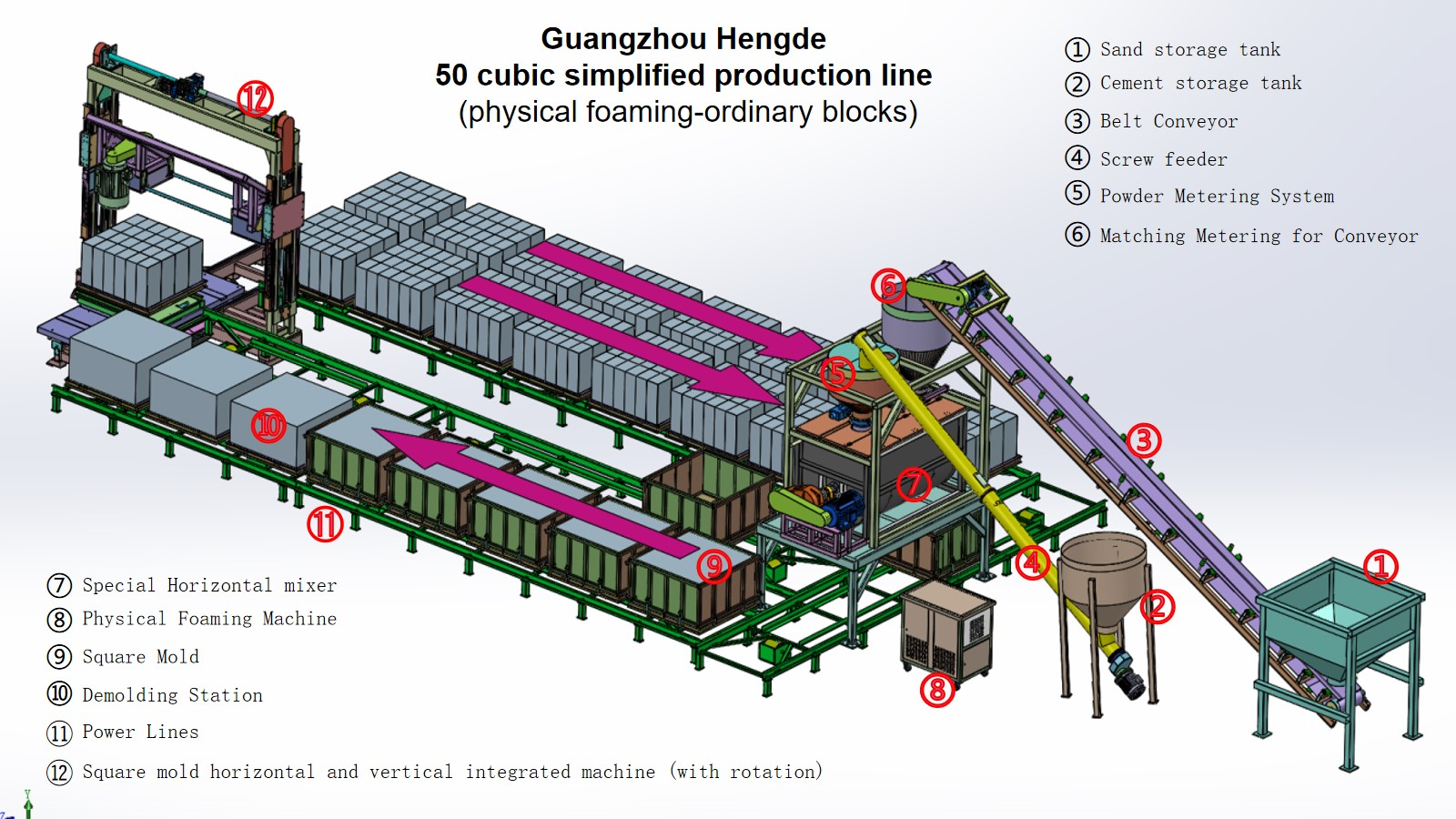 ENGINEERING LAYOUT
 6.25 m³/hour planning reference · 15 equipment rows · Physical foaming · Non-autoclaved
Open layout and equipment table → SMALL / MEDIUM PRIORITY · WALL PANEL · 80 m³/day
10 m³/hour planning reference · 31 equipment rows · Simplified configuration
Open layout and equipment table → SMALL / MEDIUM PRIORITY · BLOCK · 100 m³/day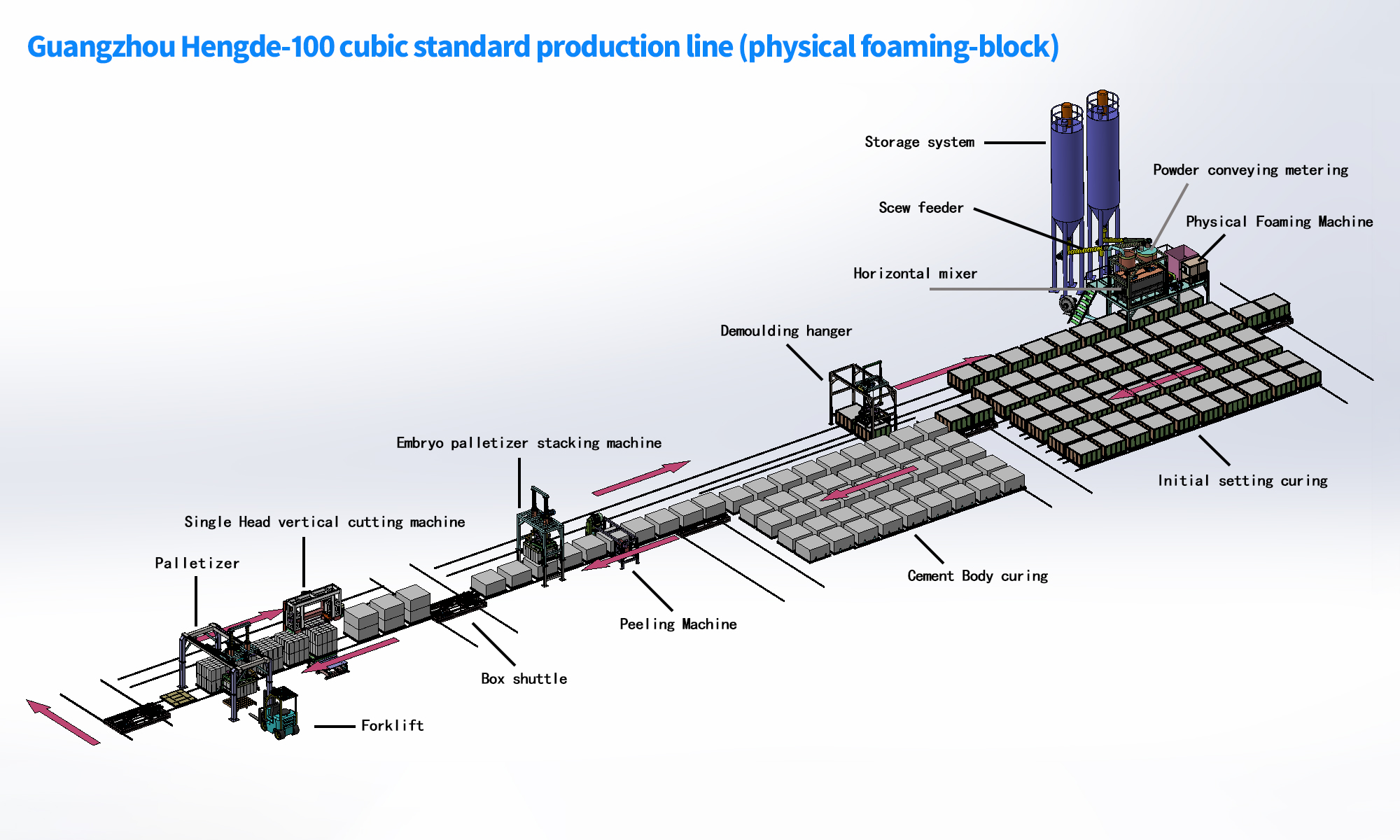 ENGINEERING LAYOUT
 12.5 m³/hour planning reference · 24 equipment rows · Physical foaming · Non-autoclaved
Open layout and equipment table → SMALL / MEDIUM PRIORITY · WALL PANEL · 150 m³/day18.75 m³/hour planning reference · 29 equipment rows · Standard configuration
Open layout and equipment table → SMALL / MEDIUM PRIORITY · BLOCK · 200 m³/day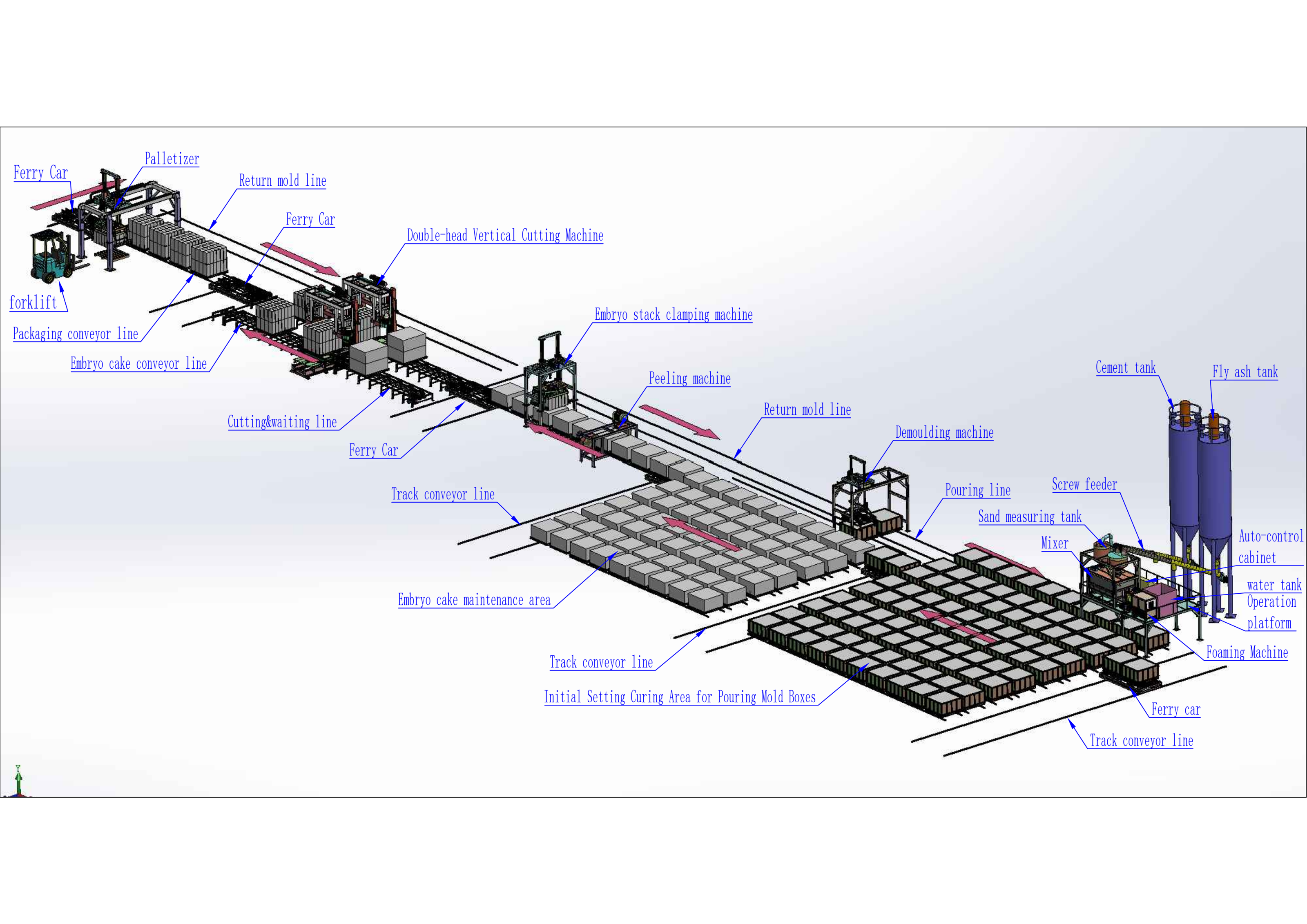 ENGINEERING LAYOUT
 25 m³/hour planning reference · 25 equipment rows · Physical foaming · Non-autoclaved
Open layout and equipment table → SMALL / MEDIUM PRIORITY · WALL PANEL · 200 m³/day25 m³/hour planning reference · 30 equipment rows · Standard configuration
Open layout and equipment table → HIGHER-OUTPUT REFERENCE · BLOCK · 300 m³/day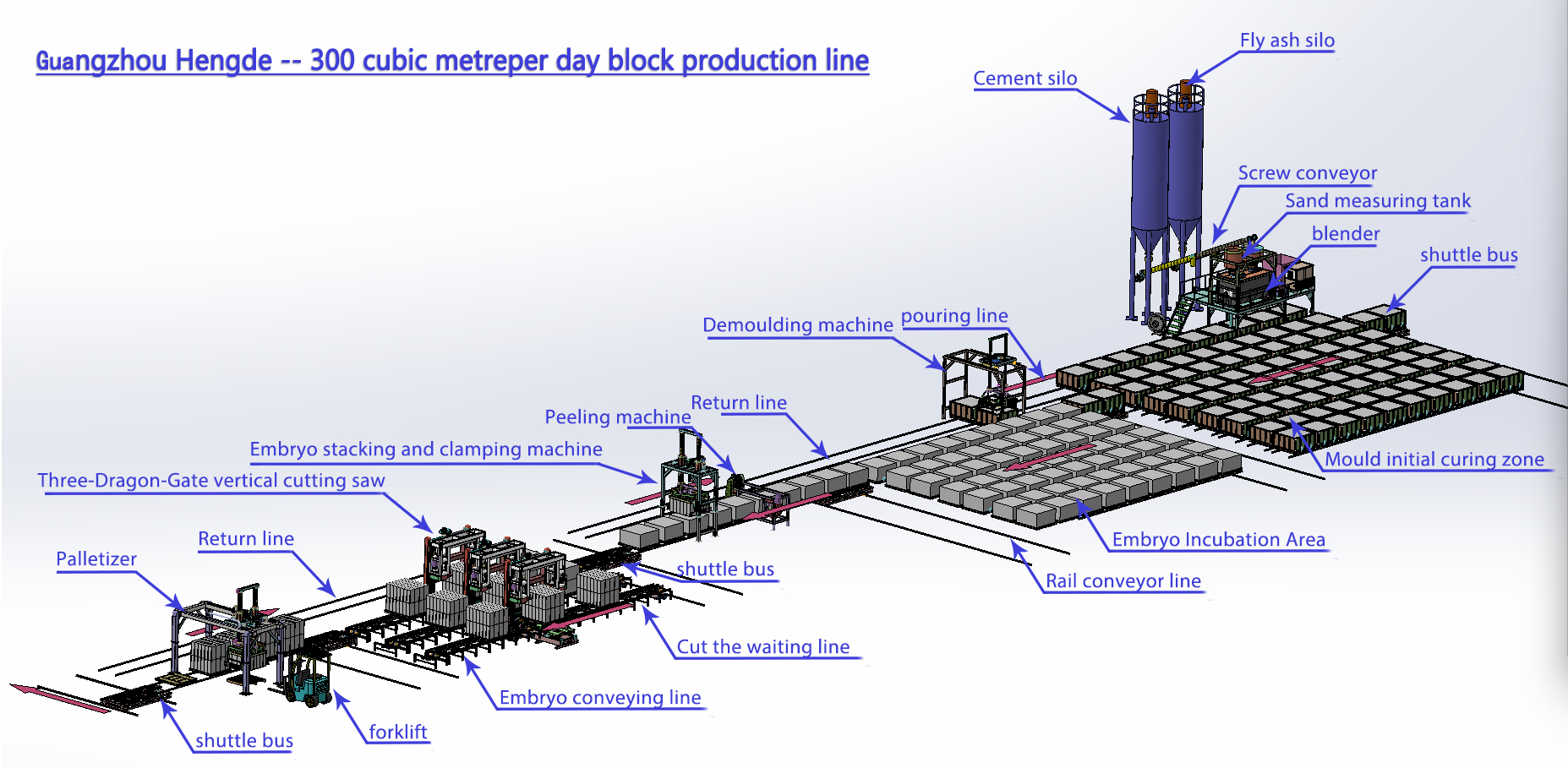 ENGINEERING LAYOUT
 37.5 m³/hour planning reference · 25 equipment rows · Physical foaming · Non-autoclaved
Open layout and equipment table → HIGHER-OUTPUT REFERENCE · BLOCK · 400 m³/day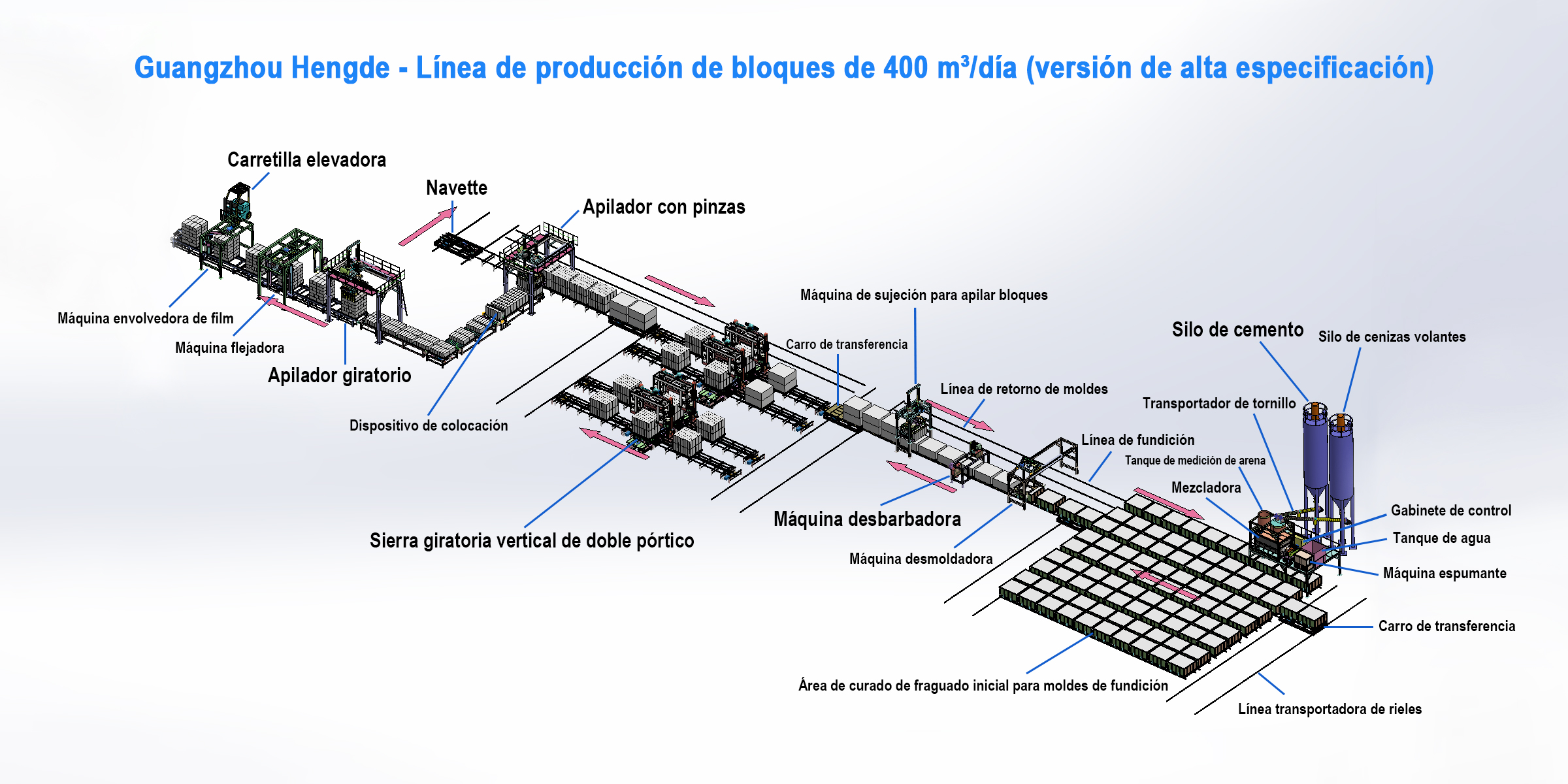 ENGINEERING LAYOUT
 50 m³/hour planning reference · 26 equipment rows · Physical foaming · Non-autoclaved
Open layout and equipment table → HIGHER-OUTPUT REFERENCE · WALL PANEL · 500 m³/day ENGINEERING LAYOUT
 62.5 m³/hour planning reference · 32 equipment rows · Chemical-reaction mixing configuration
Open layout and equipment table → HIGHER-OUTPUT REFERENCE · BLOCK · 600 m³/day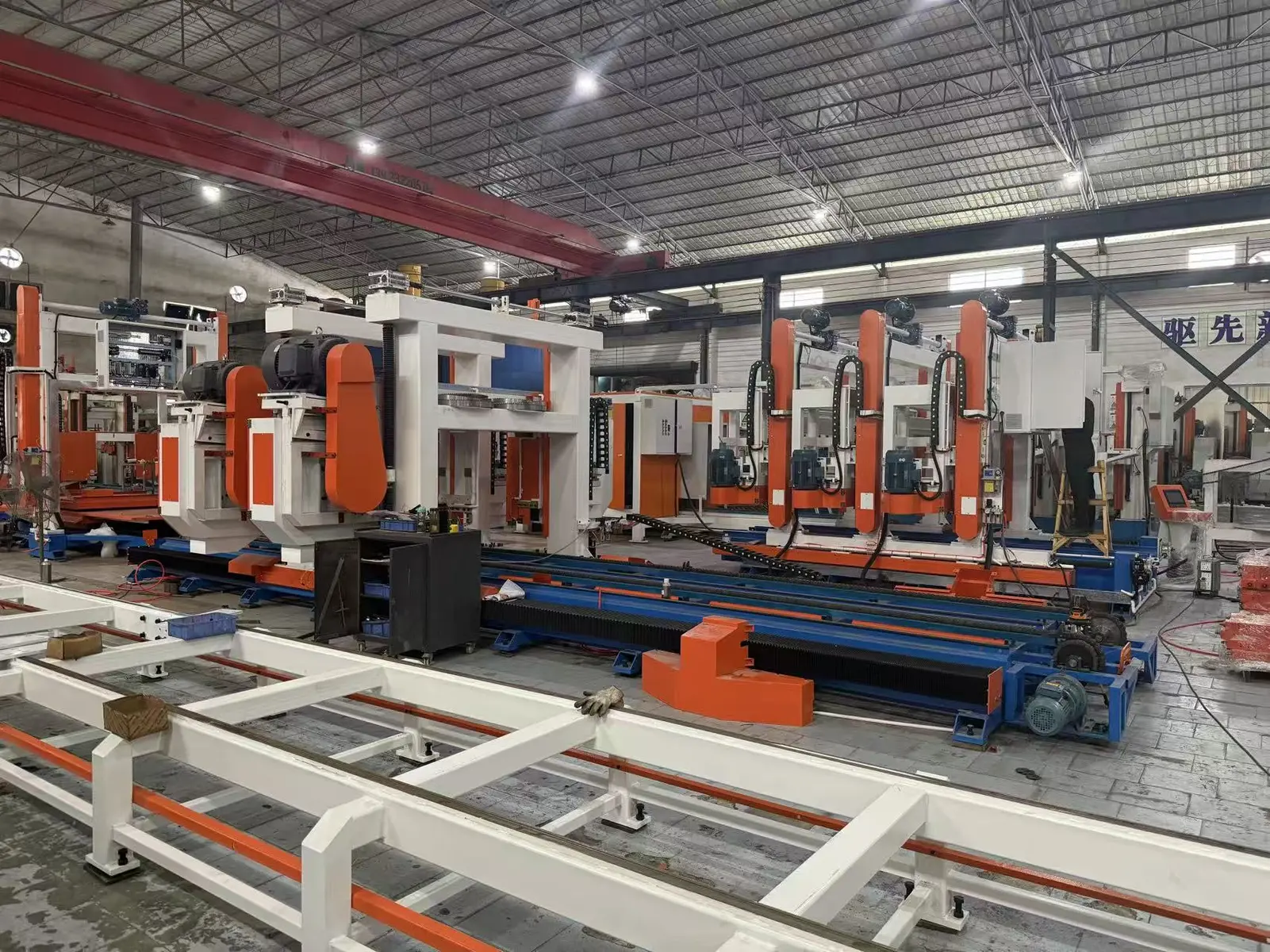 ENGINEERING LAYOUT
 75 m³/hour planning reference · 27 equipment rows · Physical foaming · Non-autoclaved
Open layout and equipment table → HIGHER-OUTPUT REFERENCE · BLOCK · 1000 m³/dayENGINEERING LAYOUT 125 m³/hour planning reference · 31 equipment rows · Physical foaming · Non-autoclaved
Open layout and equipment table →COMPATIBLE PRODUCTS & PROCESS OPTIONS
Lightweight block and wall-panel lines can be configured for different raw materials and production processes.
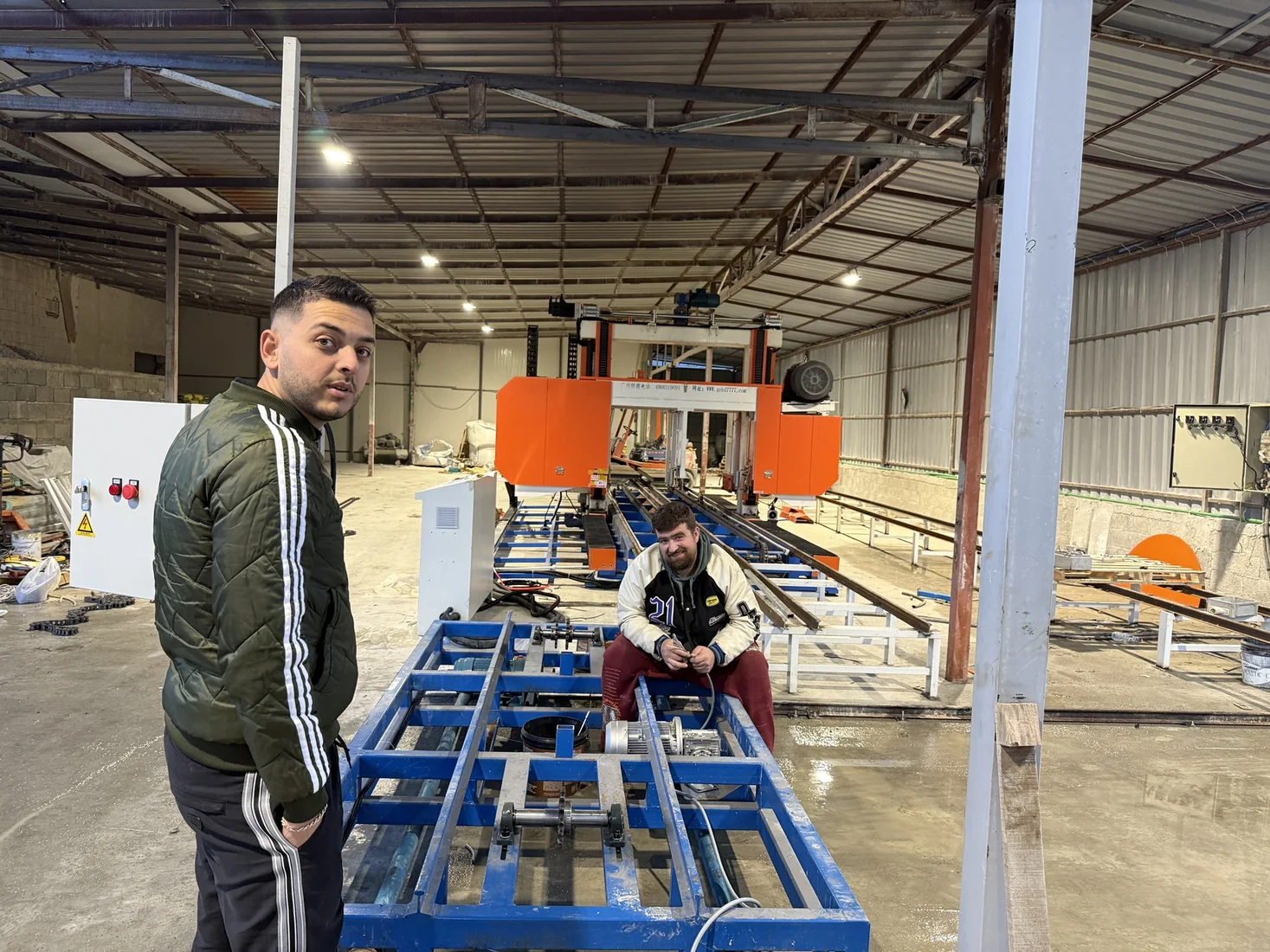 REAL PROJECT EQUIPMENT
Physical foaming process for compatible lightweight block or wall-panel products.
Explore option → PRODUCT / PROCESS OPTIONREAL PROJECT EQUIPMENTNon-autoclaved chemical aeration with a dedicated process and equipment configuration.
Explore option → PRODUCT / PROCESS OPTIONREAL PROJECT EQUIPMENTProduct-specific moulding, curing, cutting, slotting and safe panel handling.
Explore option → PRODUCT / PROCESS OPTION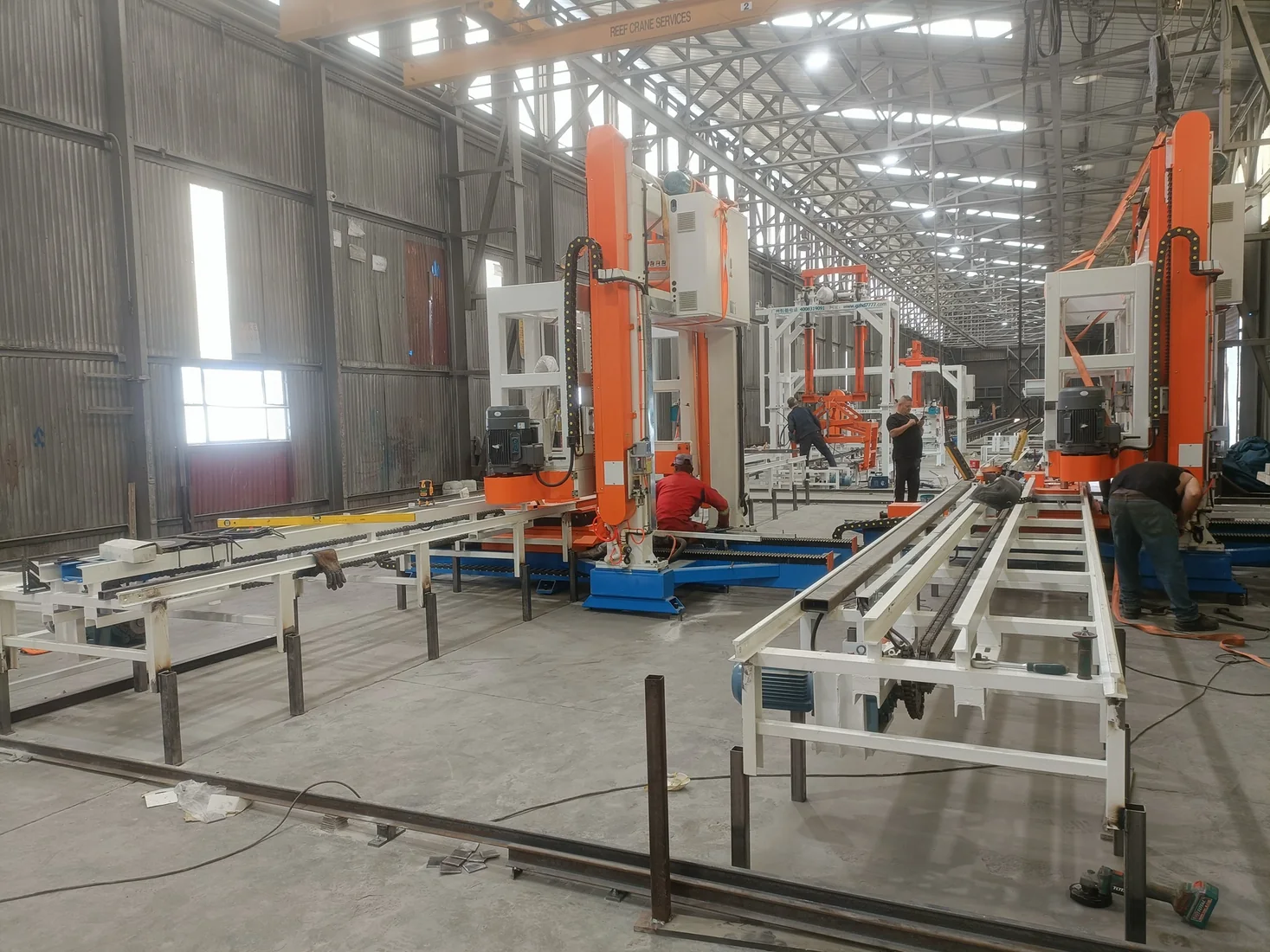 REAL PROJECT EQUIPMENT
EPS storage, dosing and mixing are reviewed around the confirmed block or panel product.
Explore option → PRODUCT / PROCESS OPTION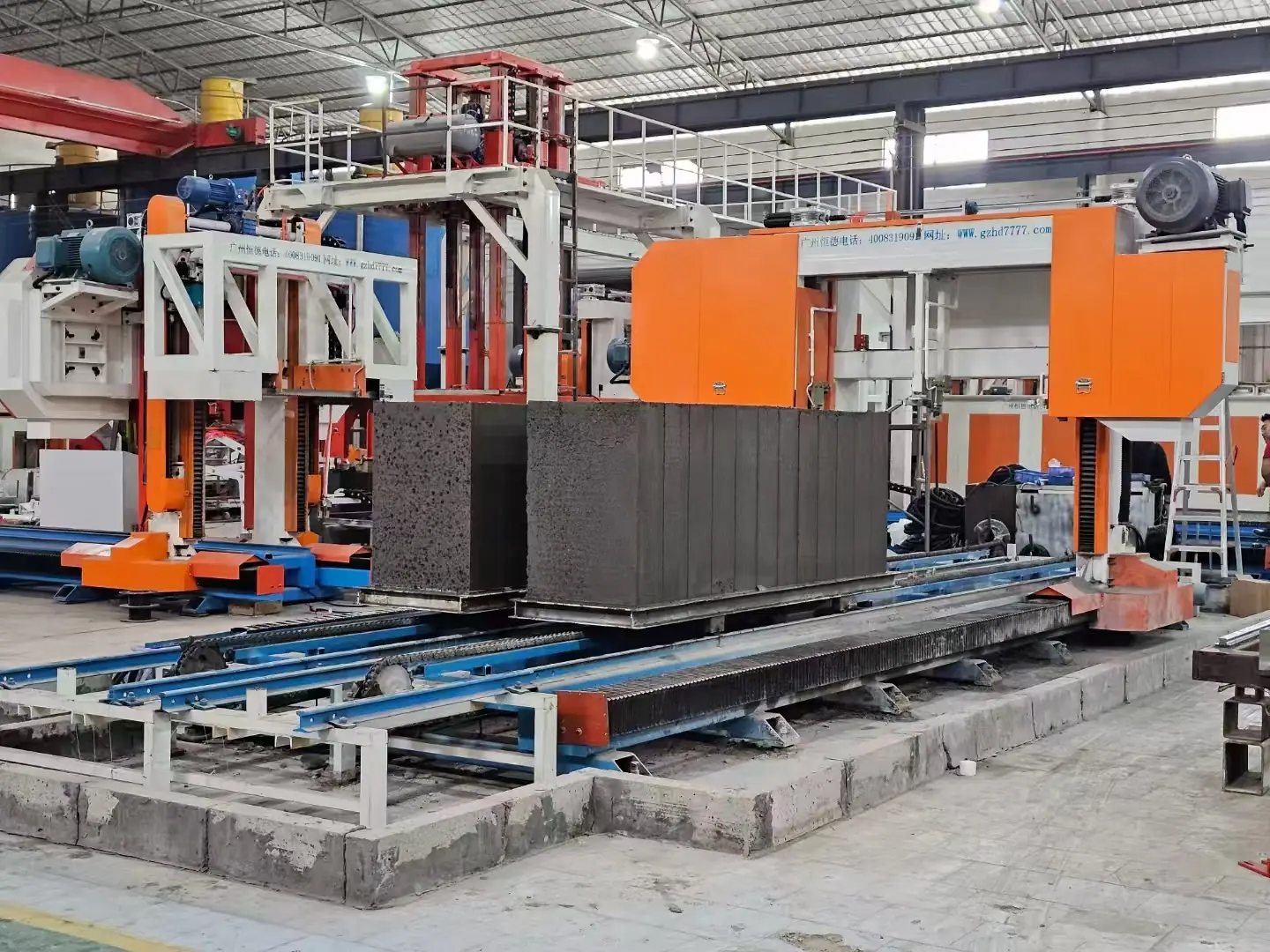 REAL CUTTING EQUIPMENT
Aggregate grading, absorption and moisture require testing before equipment selection.
Explore option → PRODUCT / PROCESS OPTION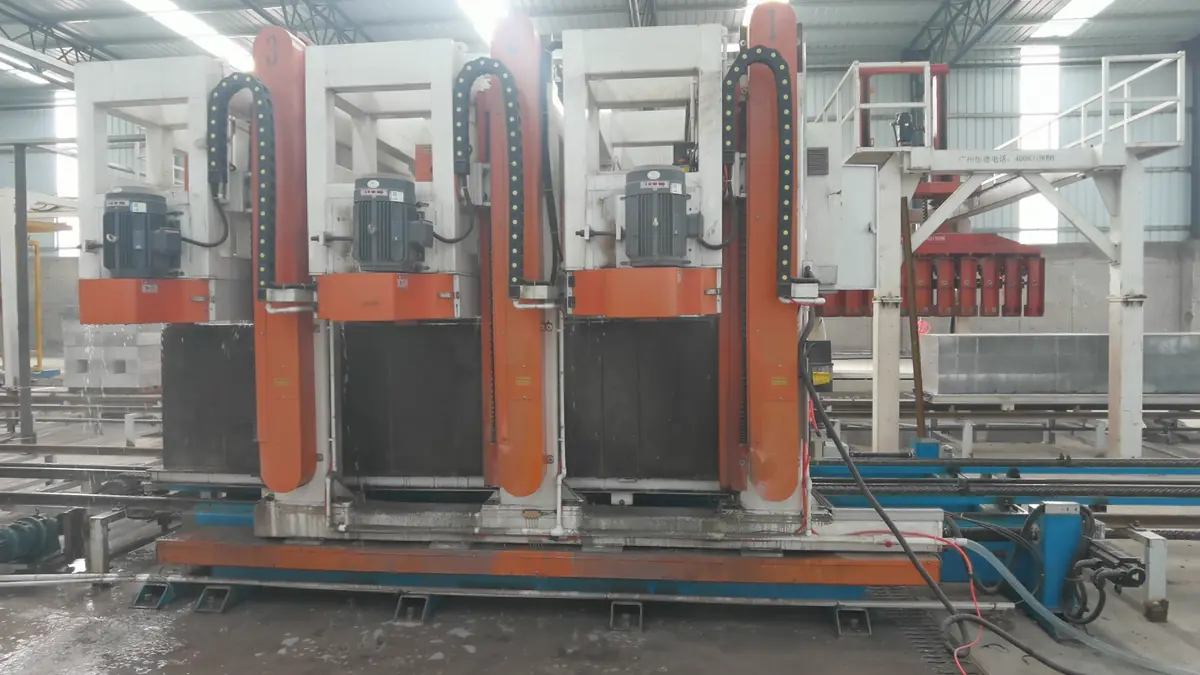 REAL CUTTING EQUIPMENT
Assess an existing line and plan suitable cutting or equipment upgrades around the current factory.
Explore option →PROJECT DELIVERY / TURNKEY SUPPORT
A factory proposal connects the project country, raw materials, target product and capacity, product dimensions, factory land, utilities, budget and automation requirement. The service and supply responsibilities are agreed for each project.
Evaluate representative samples from the project location before selecting the final process.
Adjust the formulation and material ratios against the test results and target product.
Confirm product dimensions and the product-specific preparation, forming, curing and finishing process.
Coordinate land, buildings, storage, material flow, foundations and utilities.
Match capacity, automation, budget, moulds and process interfaces to the agreed factory scope.
Prepare the agreed machines, tooling and controls against the approved configuration.
Check applicable equipment and delivery scope before shipment.
Coordinate packing, loading and destination requirements with the project shipping plan.
Install and connect the agreed equipment after site conditions are ready.
Check machine sequences and trial production with the selected materials.
Train operators in safe use, production sequence and routine maintenance.
Plan maintenance communication and spare-parts support for the installed equipment.
Send the target product, planned output, raw materials, factory location and preferred automation level. HENGDE will review the applicable process and equipment scope.
HENGDE can evaluate locally available raw materials before finalizing the process and equipment configuration.
Review locally available materials against the target product before production equipment is selected.
Recycled or variable inputs require source-specific testing and trial production.
Test results guide material ratios, dosing, mixing, forming, curing and finishing requirements.
Final formulation and equipment follow the actual materials and required product.