
Project country and market
Product standards, saleable sizes, climate and expected demand.
Compare CLC, NAAC, EPS and ceramsite lightweight block production routes, then select the capacity, raw-material preparation, moulding, curing, cutting, handling and automation required by the real project.
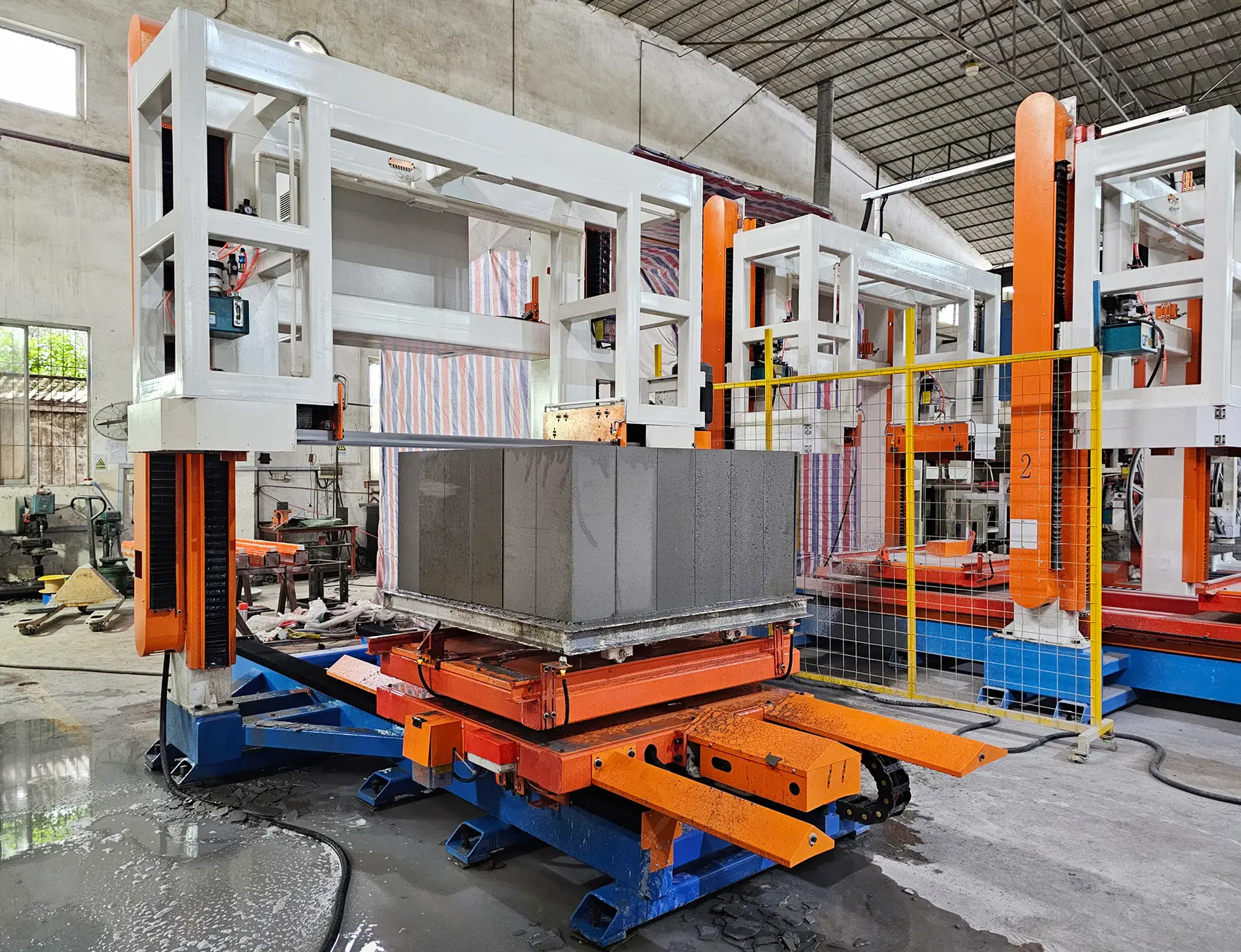
A lightweight block production line is a connected factory system, not one universal machine list. CLC uses physical foam, NAAC uses chemical aeration, EPS requires controlled lightweight-particle dosing, and ceramsite requires aggregate-specific preparation. Capacity and automation are calculated after the product and local materials are confirmed.
 REAL CLC PROJECT
 Preformed physical foam, controlled slurry mixing, non-autoclaved curing and cutting.
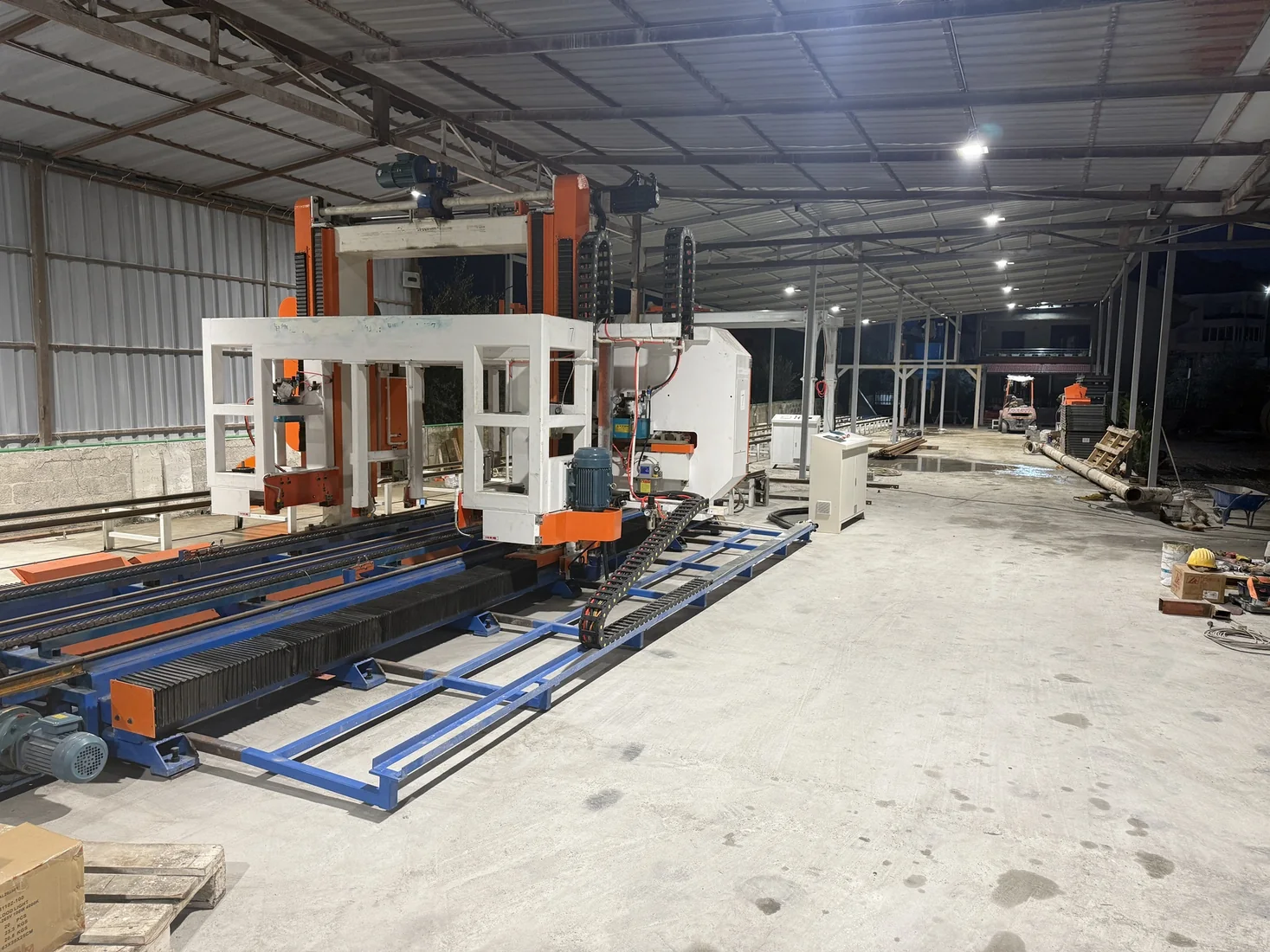
 REAL NAAC PROJECT
 Aluminium-powder chemical aeration with non-autoclaved curing.
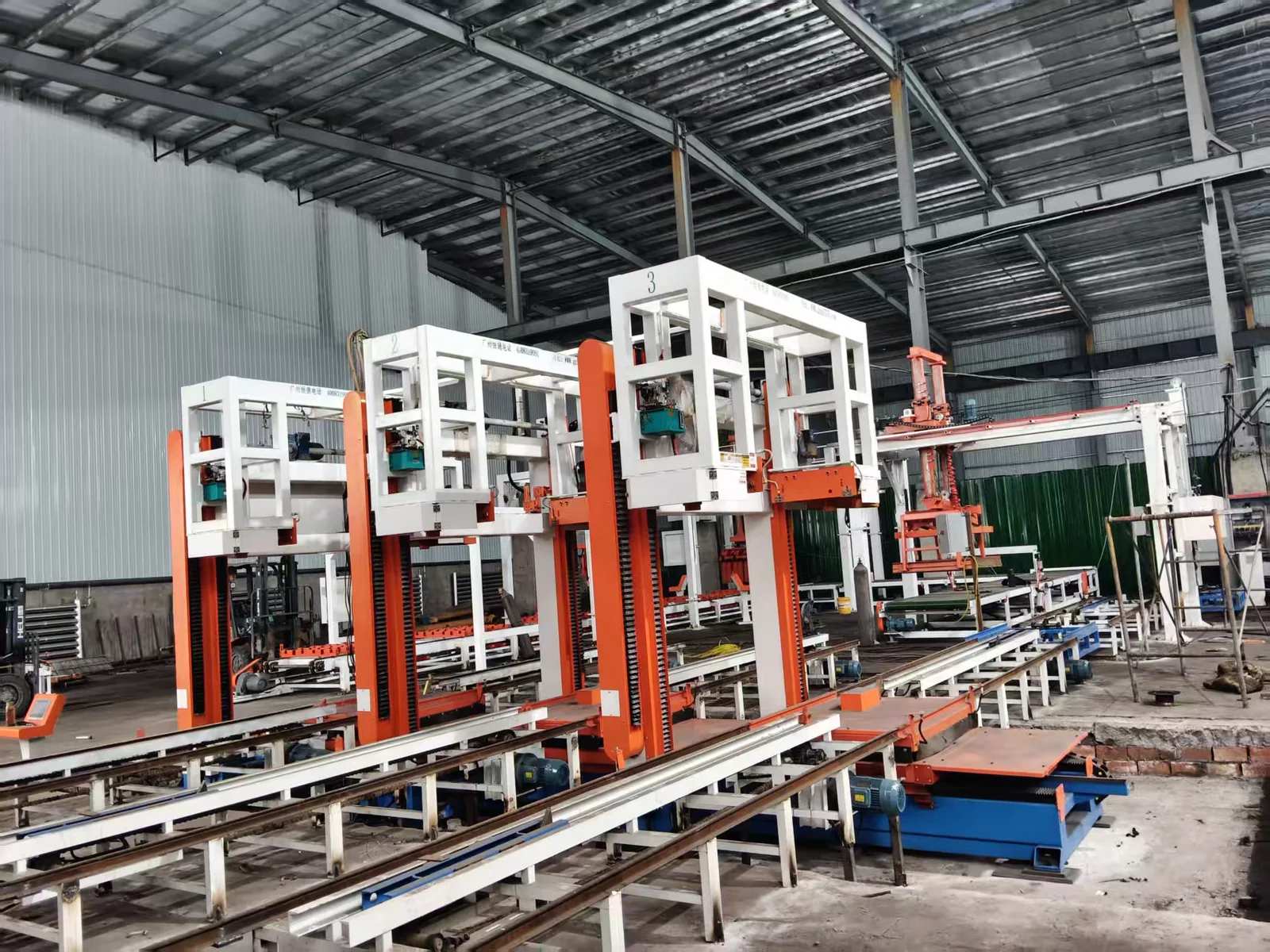
 REAL EPS PROJECT
 EPS storage, dosing and mixing configured around the approved block structure.
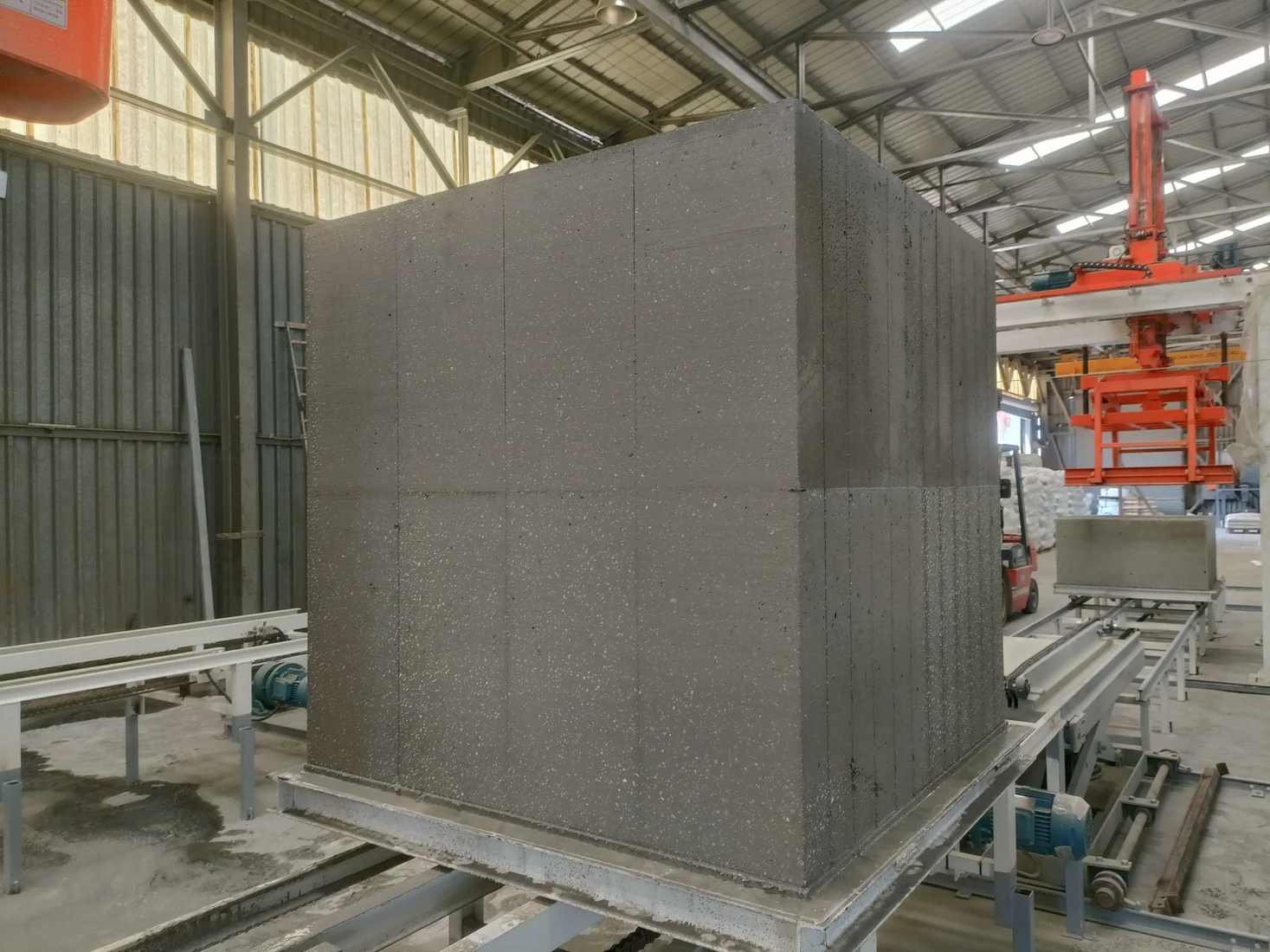
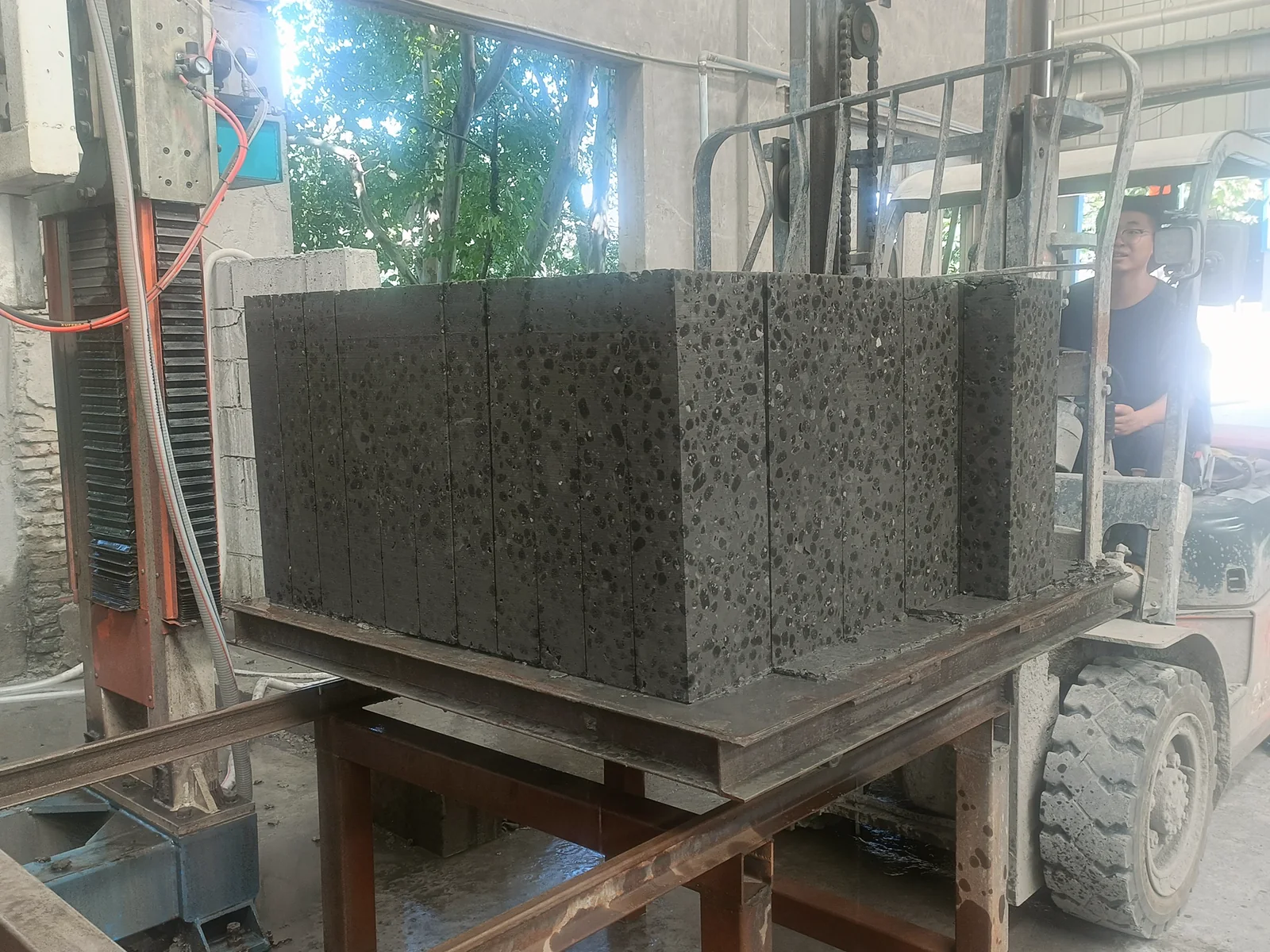 REAL CERAMSITE PROJECT
 Ceramsite grading, moisture and absorption reviewed before mixing and forming.
Smaller-factory planning direction.
50 m³/day 02Preparation, physical foaming, mixing, moulding and cutting.
100 m³/day 03Complete 24-item standard equipment presentation.
200 m³/day 04Daily-output block production reference.
300 m³/day 05Expanded mould circulation, cutting and handling.
Storage, feeding, metering and material testing.
02Physical foaming, chemical aeration or aggregate mixing selected by route.
03Mould quantity, circulation and curing positions sized to the cycle.
04Horizontal and vertical cutting, peeling and project-specific finishing.
05Safe billet and finished-block movement through the factory.
06PLC, electrical cabinets, moulds and the confirmed automation scope.
Product standards, saleable sizes, climate and expected demand.
CLC, NAAC, EPS, ceramsite or another confirmed lightweight block.
Saleable output, shifts and future expansion—not only nominal machine capacity.
Sources, test data, photos and representative samples where possible.
05Land, workshop, power, water, roads, lifting and storage.
06Labour, maintenance capability, installation, training and commissioning needs.
REAL HENGDE PROJECT A 100 m³/day foam-concrete block line with real cutting equipment.
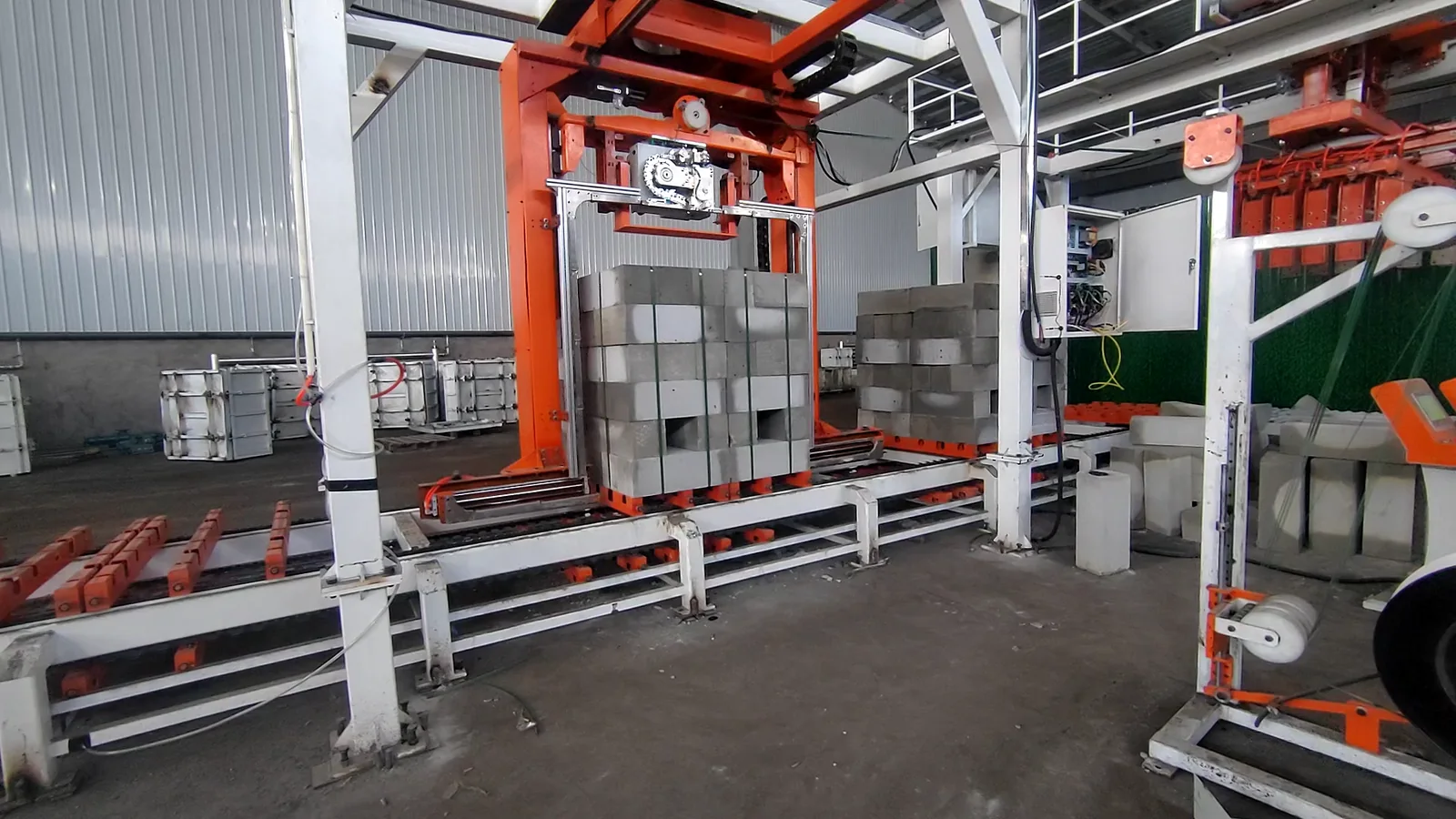 REAL HENGDE PROJECT
 A 300 m³/day chemical-aeration, non-autoclaved block line.
REAL HENGDE PROJECT A 200 m³/day EPS self-insulating block line with real production media.
REAL HENGDE PROJECT A real cutting-system upgrade for an existing ceramsite block line.
Compare output, moulds, curing, cutting and factory constraints.
02Review materials before formula and equipment confirmation.
03Compare physical foaming and chemical aeration accurately.
04Protect the bottleneck and avoid buying disconnected equipment.
05Look beyond the mixer and cutter to the connected factory system.
Choose from the required block, local materials, process capability, curing route, market requirements and project budget. CLC, NAAC, EPS and ceramsite are not interchangeable machine lists.
Published block-line planning directions include 30, 50, 100, 200 and 300 m³/day. The final output basis and equipment are recalculated for the project.
Some equipment can be shared, but material preparation, aeration or lightweight-aggregate handling, moulds, curing and process controls may differ. Compatibility must be reviewed before the line is confirmed.
Yes. HENGDE can review material information and samples before recommending the process and equipment direction.
Installation, commissioning and operator training can be included according to the agreed project scope and site readiness.
Send the project country, target product, planned output and available raw materials for an engineering review.